
Beautiful Plants For Your Interior
Beautiful Plants For Your Interior
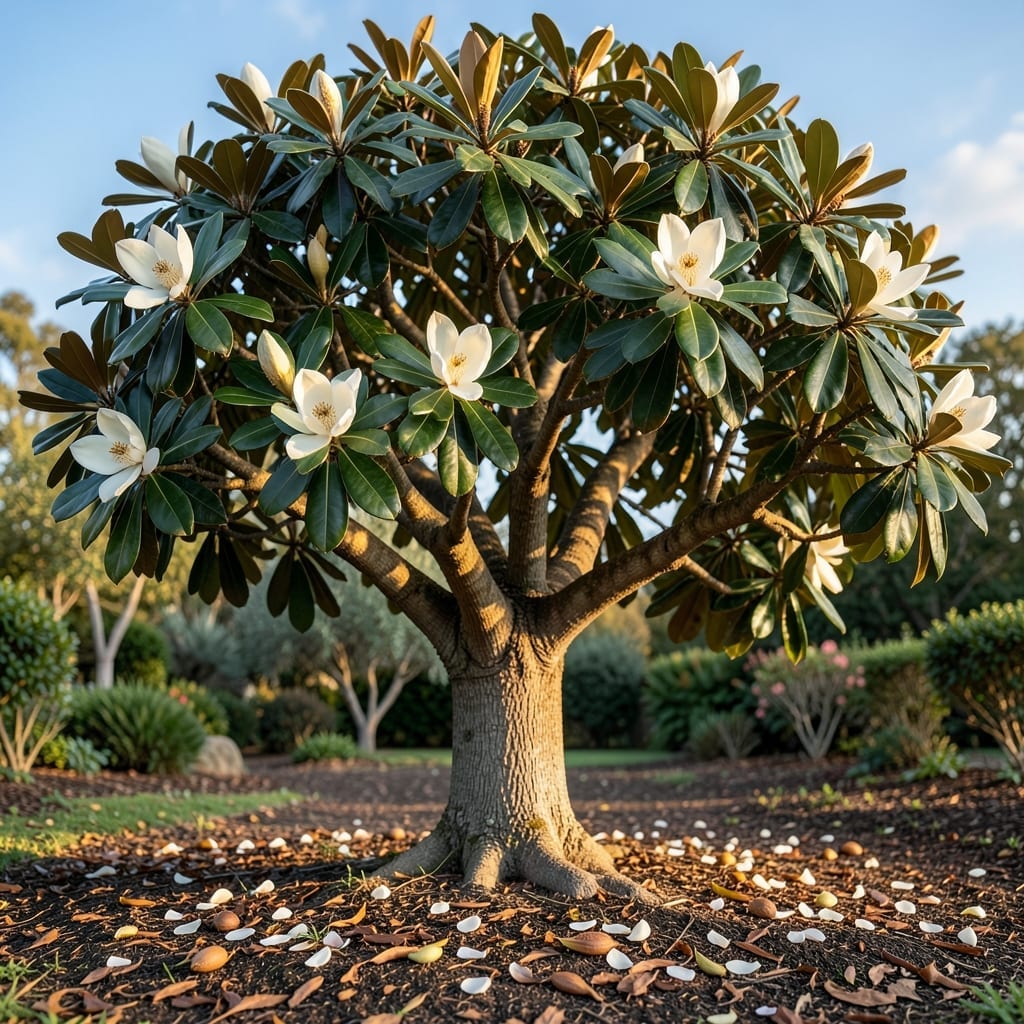
Atlanta, Georgia falls within USDA hardiness zones 7b to 8a, with average minimum temperatures ranging from 5°F to 15°F, guiding plant selection for local gardens.
This classification means gardeners can grow a wide variety of plants, from cold-hardy camellias to heat-loving okra. I’ve found that Atlanta’s unique position creates a transition area between cooler northern and warmer southern climates. Urban areas often experience slightly milder winters due to the heat island effect, which can extend your growing season by a few precious weeks. 🌟
💡 In This Article
The USDA hardiness zone system divides North America into regions based on average annual minimum temperatures. Each zone represents a 10°F difference, with subzones (a/b) adding 5°F precision. Atlanta’s span across 7b-8a reflects its varied elevation and urban development, creating distinct microclimates within the metro area.
These zones are calculated from 30-year averages of extreme minimum temperatures, not daily lows. Atlanta’s downtown often runs 2-5°F warmer than outlying areas due to the urban heat island effect, where concrete and buildings absorb and radiate heat. This explains why some neighborhoods may push into zone 8b during mild winters. ✨
For gardeners, this means camellias and azaleas thrive in sheltered spots, while exposed areas may need frost protection for semi-hardy plants. The transition between zones also allows for experimenting with plants typically suited for slightly warmer or cooler regions, as long as you monitor local conditions carefully.
The National Arboretum updated the map in 2023, incorporating more precise climate data. This adjustment shifted some Atlanta suburbs from 7a to 7b, acknowledging the region’s gradually warming winters. Such changes highlight how hardiness zones evolve with climate patterns over decades.
Understanding these nuances helps you select plants that will not just survive but flourish. For instance, fig trees may need winter protection in zone 7b but often thrive without it in zone 8a. Always cross-reference your exact location with the USDA’s interactive map for the most accurate guidance. 🔥
Use the USDA’s interactive Plant Hardiness Zone Map. Enter your ZIP code for precise results, as Atlanta’s zones vary from 7b to 8a. Urban areas often skew warmer due to heat islands.
Most tropicals won’t survive Atlanta’s winters outdoors, but you can grow them in containers. Move them indoors before temperatures drop below 40°F. Banana trees and hibiscus are popular choices.
Atlanta’s average last frost is around April 15th. This date can shift slightly by microclimate. Always wait until after this date to plant frost-sensitive annuals and vegetables.
Cool-season crops like kale, lettuce, and broccoli excel in spring and fall. Plant them 4-6 weeks before the last frost or after summer heat fades. They tolerate light frosts well.
Elevation changes and urban development create microclimates. Suburbs at higher elevations may be in zone 7b, while downtown areas often reach zone 8a due to heat retention.