
Beautiful Plants For Your Interior
Beautiful Plants For Your Interior
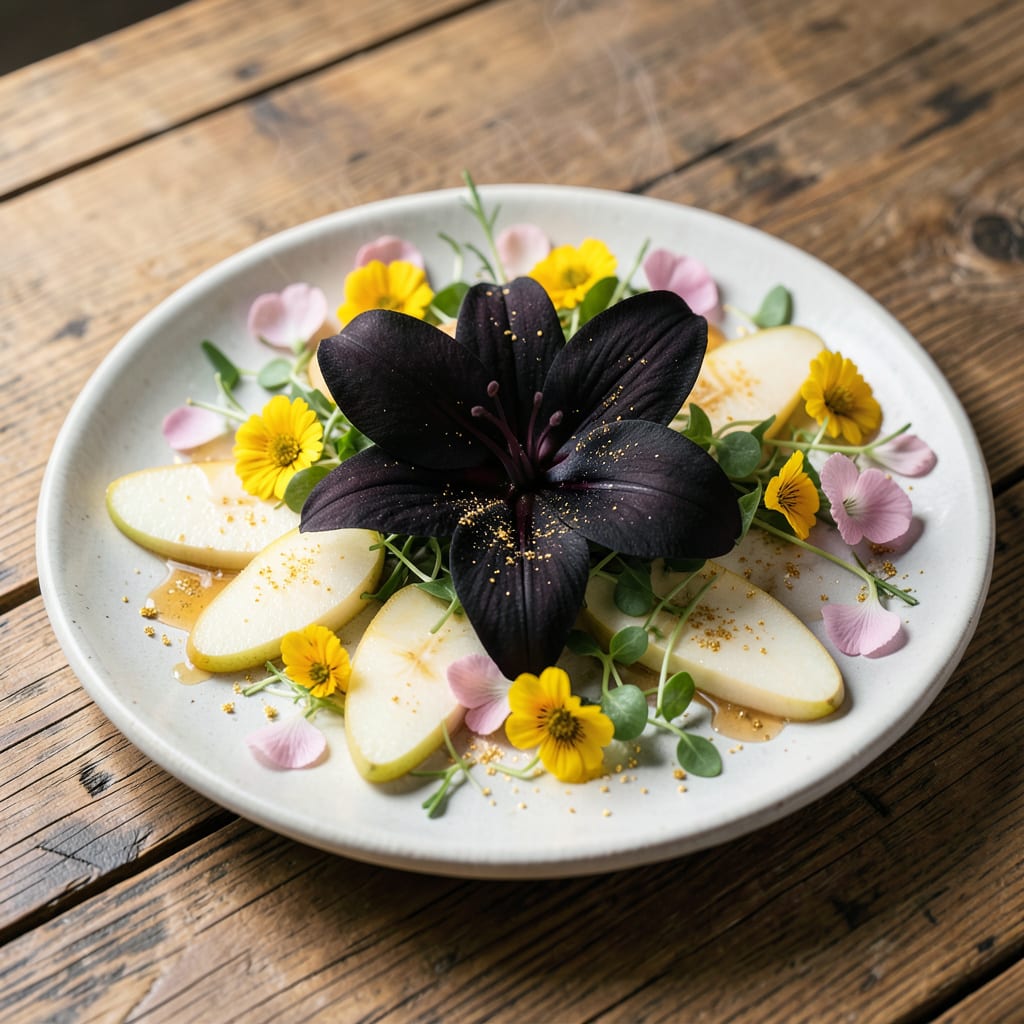
Dark, velvety blooms that stop traffic in the garden. I planted my first ‘Black Charm’ asiatic lilies and they’ve become the star of my summer beds.
These dramatic flowers thrive in full sun with well-draining soil, returning bigger and bolder each year. They need minimal care once established, just occasional watering and deadheading to keep them spectacular.
📚 In This Guide
Here’s the method I use to ensure dramatic, deep burgundy blooms that stop visitors in their tracks.
Choose a location with full sun to partial shade—these lilies thrive in 6+ hours of direct sunlight but tolerate afternoon shade in hotter climates. The soil must be well-draining; they’ll rot in soggy conditions. I test drainage by digging a 12-inch-deep hole, filling it with water, and ensuring it empties within 2-3 hours.
Amend heavy clay or compacted soil with compost or aged manure to improve structure. Work it into the top 12-15 inches of soil. This encourages the bulbs to establish deep, strong root systems. Avoid fresh manure—it’s too acidic and can burn tender roots.
Dig individual holes 4-6 inches deep—about three times the bulb’s height—and space them 12-18 inches apart. This spacing accounts for their mature spread and ensures good air circulation, which prevents fungal issues like botrytis blight.
Place each bulb in the hole with the pointed end facing upward. If you’re unsure which end is up, plant it on its side; the shoot will find its way. Backfill with soil and press gently to eliminate air pockets, which can dry out roots. Water thoroughly after planting to settle the soil.
Apply a 2-3 inch layer of organic mulch, such as shredded bark or straw, around the planting area. This retains moisture, suppresses weeds, and insulates the soil. Keep mulch 1-2 inches away from the stems to prevent rot.
Water deeply once a week unless rainfall provides 1 inch of moisture. These lilies prefer consistently moist but not waterlogged soil. You’ll know it’s time to water when the top 1-2 inches of soil feel dry. Overwatering now leads to bulb rot, so err on the side of caution.
In early spring, as shoots emerge, apply a balanced, slow-release fertilizer (10-10-10 or 20-20-20) around the base of the plants. Work it lightly into the top 1-2 inches of soil, then water deeply to activate the nutrients. This fuels the rapid spring growth phase.
After flowering, switch to a low-nitrogen, high-phosphorus fertilizer (5-10-10) to encourage bulb strength for next year’s blooms. Stop fertilizing by late summer to allow the plant to enter dormancy naturally. You’ll see stronger, more vibrant blooms the following season.
Deadhead spent flowers immediately to prevent seed formation, which diverts energy from bulb storage. However, do not cut back the foliage until it yellows and dies back naturally—usually by late fall. The leaves continue photosynthesizing to nourish the bulb for next year.
In colder climates (USDA zones 3-5), apply an additional 4-6 inches of mulch after the ground freezes to protect bulbs from freeze-thaw cycles. Remove it gradually in spring as new growth appears. These lilies are hardy to zone 4, but extra mulch ensures consistent performance.
These small adjustments can mean the difference between lackluster blooms and a show-stopping display.
Soil Preparation: When testing drainage in Step 1, don’t rush the process. That 2-3 hour window for a 12-inch-deep hole to empty is critical—if it takes longer, you’ll need to amend more aggressively with compost or consider raised beds. I’ve seen many gardeners skip this test, only to lose bulbs to rot the first winter.
Planting Depth: For Step 2, remember that 4-6 inches deep means measuring from the bulb’s base, not the top. A common mistake is planting too shallow, which leads to toppling stems when those dramatic burgundy blooms appear. If you’re unsure about bulb orientation, planting on its side works perfectly—the shoot will naturally right itself.
Mulching Technique: In Step 3, that 2-3 inch layer of mulch should be fluffy, not packed down. I use shredded bark because it knits together slightly to suppress weeds while still allowing water penetration. And absolutely maintain that 1-2 inch gap around stems—mulch mounded against stems is the fastest way to invite rot.
Fertilizer Timing: The switch from balanced to low-nitrogen fertilizer in Step 4 is more important than many realize. Stopping by late summer allows the plant to harden off properly for winter. I mark my calendar for mid-August as the absolute cutoff, regardless of how healthy the foliage looks.
Keep the soil moist but well-drained, and plant in full sun to partial shade. Deadhead spent blooms to encourage more flowers, and apply a balanced fertilizer in early spring. Mulch to retain moisture and protect bulbs in winter.
Plant bulbs in early spring or fall, ideally 2-4 weeks before the ground freezes. This allows roots to establish before winter or summer heat. Space bulbs 8-12 inches apart for optimal growth.
Yes! Try ‘Onyx’ or ‘Landini’ for similarly dramatic dark blooms. For non-lilies, consider Queen of Night tulips or black calla lilies for a gothic garden vibe.
Common issues include insufficient sunlight, overcrowded bulbs, or poor soil drainage. Ensure they get 6+ hours of sun daily, divide bulbs every 3-4 years, and avoid soggy soil.
