
Beautiful Plants For Your Interior
Beautiful Plants For Your Interior
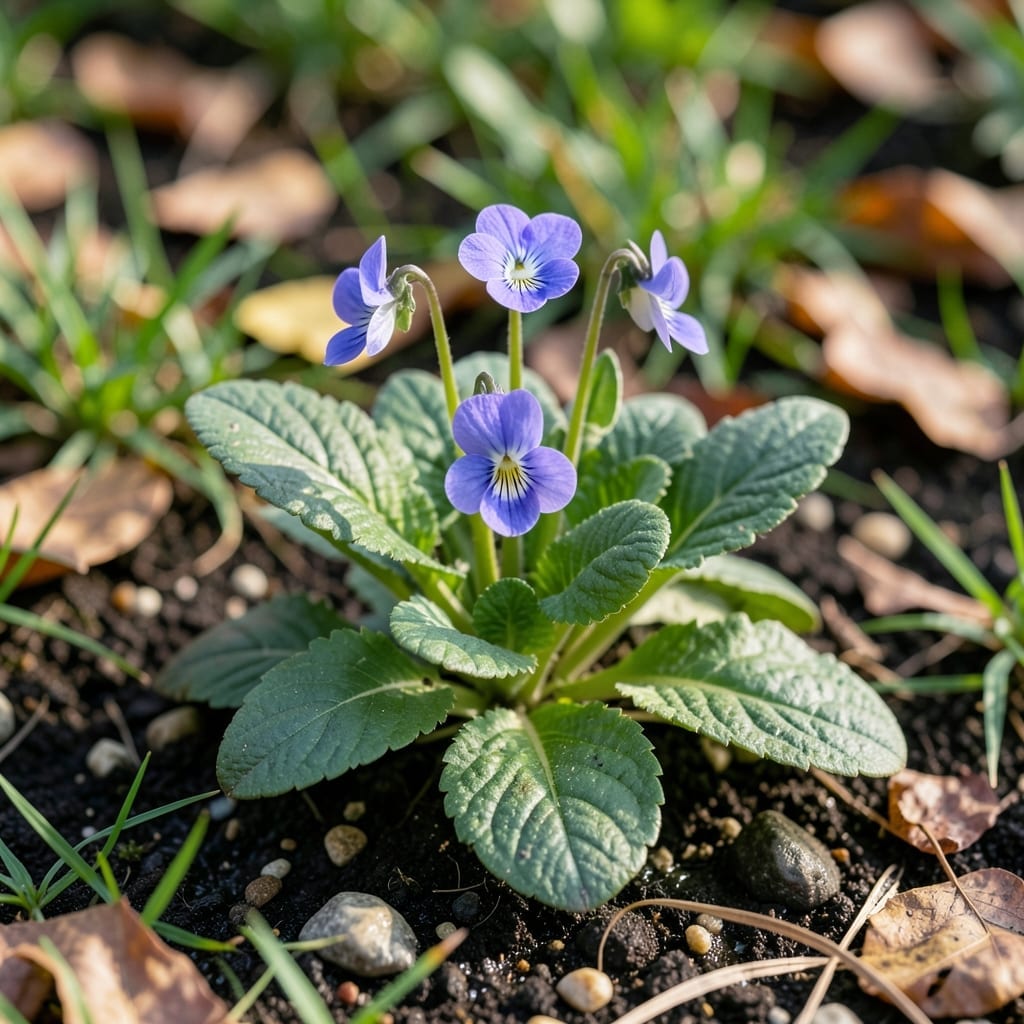
Yes, most violets are perennials that return each year from their root systems, though some varieties may act as annuals in very cold or hot climates.
These resilient plants often thrive in USDA zones 3-9, where their underground rhizomes store energy for the next growing season. I’ve seen them bounce back even after harsh winters, as long as their roots stay protected. Some species, like the common Viola odorata, reliably return year after year with proper care. ✨
💡 In This Article
Violets return yearly due to their underground rhizomes, which store energy like tiny batteries. These horizontal stems produce new shoots and roots each spring, allowing the plant to regenerate from the base even if the foliage dies back in winter. This survival mechanism is why most Viola species thrive as perennials in their native habitats.
🔥
Their hardiness varies significantly by species. Common wild violets like Viola sororia tolerate temperatures down to -40°F, flourishing in USDA zones 3-9. Meanwhile, African violets (Saintpaulia) are tropical perennials that can’t survive frost, often grown as houseplants or annuals outdoors in colder climates.
These plants spread via both seeds and rhizomes, creating dense colonies over time. In ideal conditions with moist, well-drained soil and partial shade, they can expand up to 6 inches annually. The shallow root system makes them particularly sensitive to drought, which can prevent regrowth in subsequent years. ✨
What sets violets apart is their ability to enter dormancy. When temperatures drop, the foliage may disappear, but the rhizomes remain alive underground. This adaptation allows them to survive harsh winters and reemerge when conditions improve, often blooming 4-6 weeks earlier than annual flowers. 💫
Some varieties, however, behave as short-lived perennials or self-seeding annuals. In extreme climates like the desert Southwest or Arctic north, even hardy violets may complete their life cycle in a single season, relying on seed production rather than rhizomes for propagation. 🌟
Yes, most do! Hardier varieties like Viola sororia return yearly in USDA zones 3-9 thanks to their energy-storing rhizomes. These underground stems fuel new growth each spring, even after winter dieback.
With proper care, wild violets can thrive for decades, spreading slowly via rhizomes and self-seeding. Individual plants may last 5-10 years, but the colony persists much longer. African violets typically live 2-5 years as houseplants.
Common reasons include winter root damage from poor drainage, extreme cold without mulch, or summer drought stress. Check for rotten rhizomes or dry soil. In harsh climates, some varieties may act as short-lived perennials.
Yes, but they need winter protection. In cold areas, sink pots into the ground with 4 inches of mulch, or move to a sheltered spot. Ensure containers have drainage and use quality potting mix.