
Beautiful Plants For Your Interior
Beautiful Plants For Your Interior
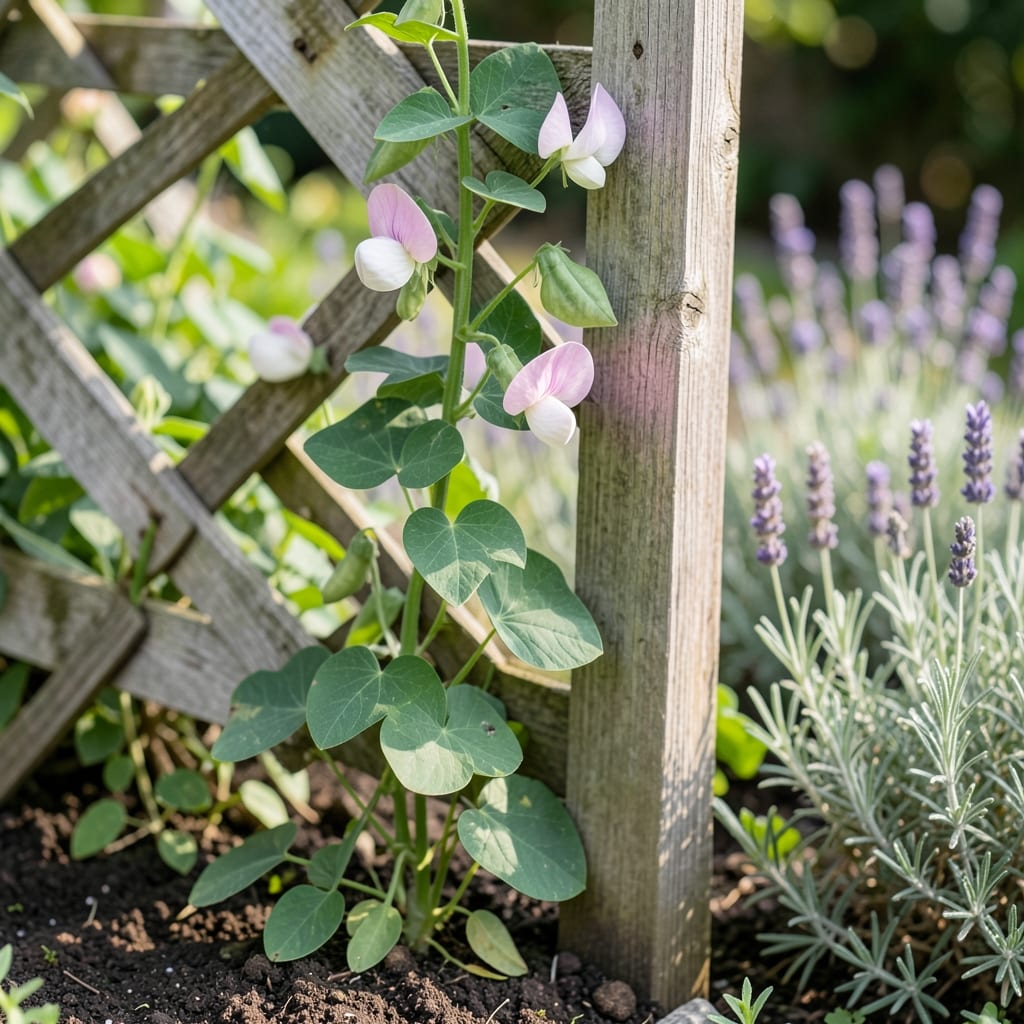
Sweet peas are typically grown as annuals in most climates, completing their life cycle in one season, though they are technically tender perennials in very mild winter regions.
I’ve found most gardeners treat them as one-season plants because they struggle in cold weather, even though they can regrow for a second year in frost-free zones. Their delicate stems can’t handle harsh winters, which is why replanting each spring is the standard approach. This adaptability makes them perfect for cool-season gardening in areas with defined seasons. 🌟
💡 In This Article
The classification hinges on temperature tolerance. Sweet peas (Lathyrus odoratus) are native to Mediterranean regions with mild winters. Their natural growth cycle spans 2-3 years in frost-free zones, but most gardeners never see this because the plants die back at the first hard frost, typically below 25°F (-4°C).
This cold sensitivity is the primary reason they’re treated as annuals. 🌟
Botanically, they’re tender perennials, meaning they can regrow from their root crown if the soil doesn’t freeze. In USDA zones 8-11, where winter temperatures rarely dip below 20°F (-7°C), sweet peas may survive to bloom a second year. However, their vigor noticeably declines after the first season, with fewer flowers and weaker stems.
This is why even in mild climates, many gardeners prefer to replant annually for optimal performance.
The plant’s growth habit reinforces this annual treatment. Sweet peas are fast-growing vines that produce abundant blooms on new growth. They channel energy into flower production during their first year, making them incredibly rewarding as annuals.
In contrast, perennial sweet peas in ideal conditions often focus more on root and foliage development in subsequent years, reducing their ornamental value. ✨
Another key factor is seed viability. Sweet pea seeds remain viable for 3-5 years when stored properly, making annual replanting practical. Their seeds germinate readily in cool soil (50-60°F/10-15°C), which aligns perfectly with spring planting in most regions.
This reliability, combined with their cold sensitivity, has cemented their status as a classic annual in temperature climates.
What most gardeners don’t realize is that even in perennial zones, sweet peas benefit from being treated as annuals. This approach prevents disease buildup in the soil and ensures the most vigorous, floriferous plants each season. The trade-off of replanting is small compared to the reward of consistent, high-quality blooms. 💫
In USDA zones 8-11, they may regrow from roots if winters stay above 20°F (-7°C). Elsewhere, treat them as annuals and replant each spring for the best blooms.
Cold sensitivity kills them below 25°F (-4°C). Even in mild climates, second-year plants produce fewer flowers, so annual replanting ensures consistent, vigorous growth.
Yes! Seeds stay viable for 3-5 years when stored dry and cool. Collect pods when they turn brown and paper-dry, then store in an airtight container.
In zones 8-11, cut back stems after flowering, mulch heavily, and protect roots from rare cold snaps. This may coax a second year of growth.