
Beautiful Plants For Your Interior
Beautiful Plants For Your Interior
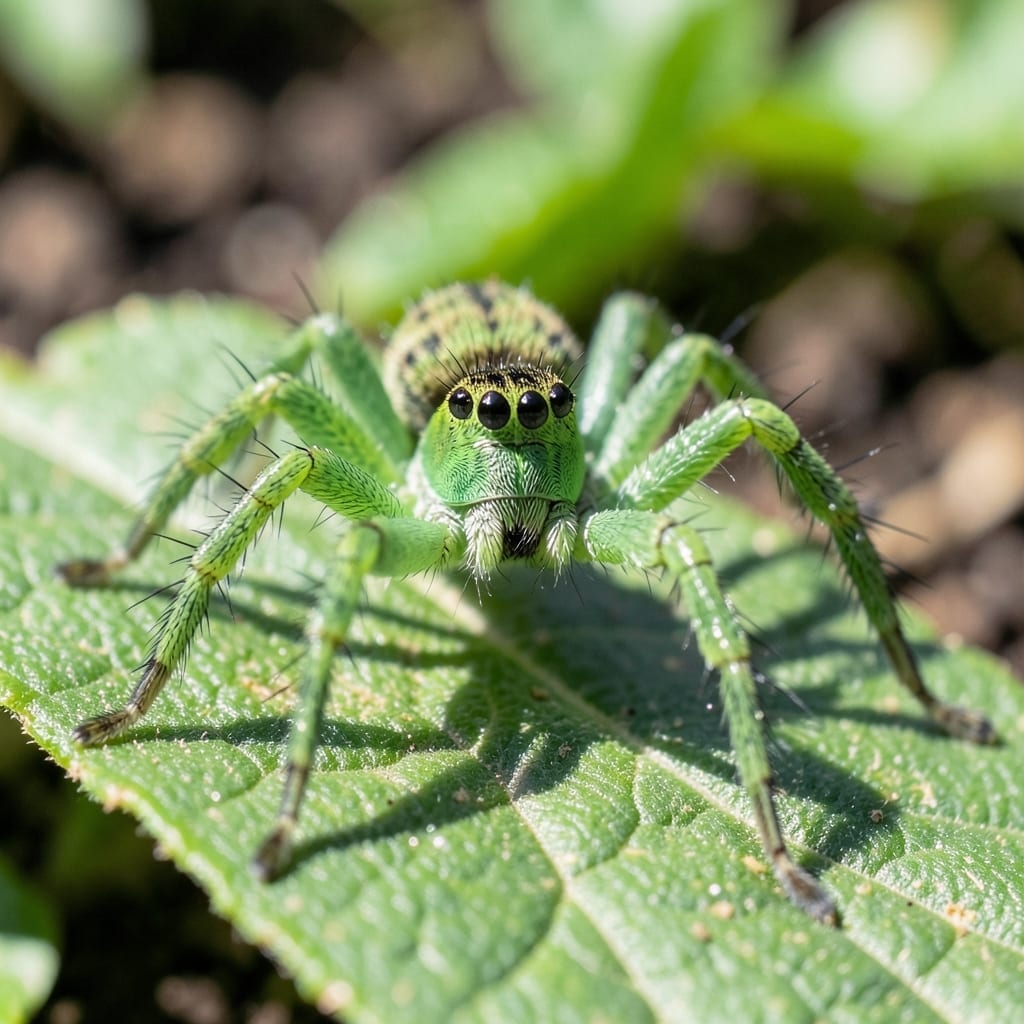
Yes, spiders are highly beneficial in gardens as natural pest controllers, preying on insects like aphids, mites, and caterpillars that damage plants. They reduce the need for chemical pesticides and support biodiversity.
I’ve seen firsthand how one garden spider can consume thousands of pests in a single season, making them far more effective than many commercial solutions. Their presence also indicates a healthy ecosystem, as they thrive where other beneficial insects exist. 🌟
What’s fascinating is their adaptability—some build webs to trap flying insects, while others actively hunt along the soil. This diversity means they target pests at all garden levels. 💫
💡 In This Article
Spiders employ diverse hunting strategies to keep pest populations in check. Web-building species like orb-weavers create intricate silk traps that catch flying insects such as aphids, whiteflies, and mosquitoes. Their webs are engineered with radial and spiral threads that maximize surface area for prey interception. 🔥
Ground-hunting spiders, including wolf spiders and jumping spiders, actively stalk their prey. These agile hunters target soil-dwelling pests like beetle larvae, cutworms, and even small slugs. A single wolf spider can consume dozens of pests in a night, with some species growing up to 1.5 inches in body length.
What’s remarkable is their efficiency. Studies show that spiders consume 90% more pests by weight than all birds and bats combined in agricultural settings. Their silk is also 5 times stronger than steel of the same diameter, allowing their webs to withstand wind and rain while remaining sticky enough to trap prey. ✨
Different spider species specialize in different prey. For example, crab spiders ambush pollinators that might otherwise over-feed on nectar, while cellar spiders (daddy longlegs) target other spiders and small insects in garden structures. This specialization prevents any single pest group from dominating your garden ecosystem. 💫
Their hunting impact extends beyond direct predation. The mere presence of spider webs can deter pests from entering an area. Some insects have evolved to detect and avoid webs, which means a well-populated spider community can create a natural pest-free zone around your most vulnerable plants. 🌟
Garden spiders consume a wide variety of pests including aphids, mites, whiteflies, and caterpillars. Web-building types trap flying insects while ground hunters target soil-dwelling pests like beetle larvae and cutworms.
Create natural habitats with rocks, logs, and dense plantings. Leave leaf litter in corners for shelter and plant native species to attract their prey. This builds a sustainable food chain.
No, spiders are completely harmless to plants. They only prey on insects and other small creatures, never feeding on foliage or roots. Their presence actually protects plants from damaging pests.
Most garden spiders are harmless to humans and pets. Only a few species worldwide have medically significant bites. For peace of mind, wear gloves while gardening and teach children not to handle them.