
Beautiful Plants For Your Interior
Beautiful Plants For Your Interior
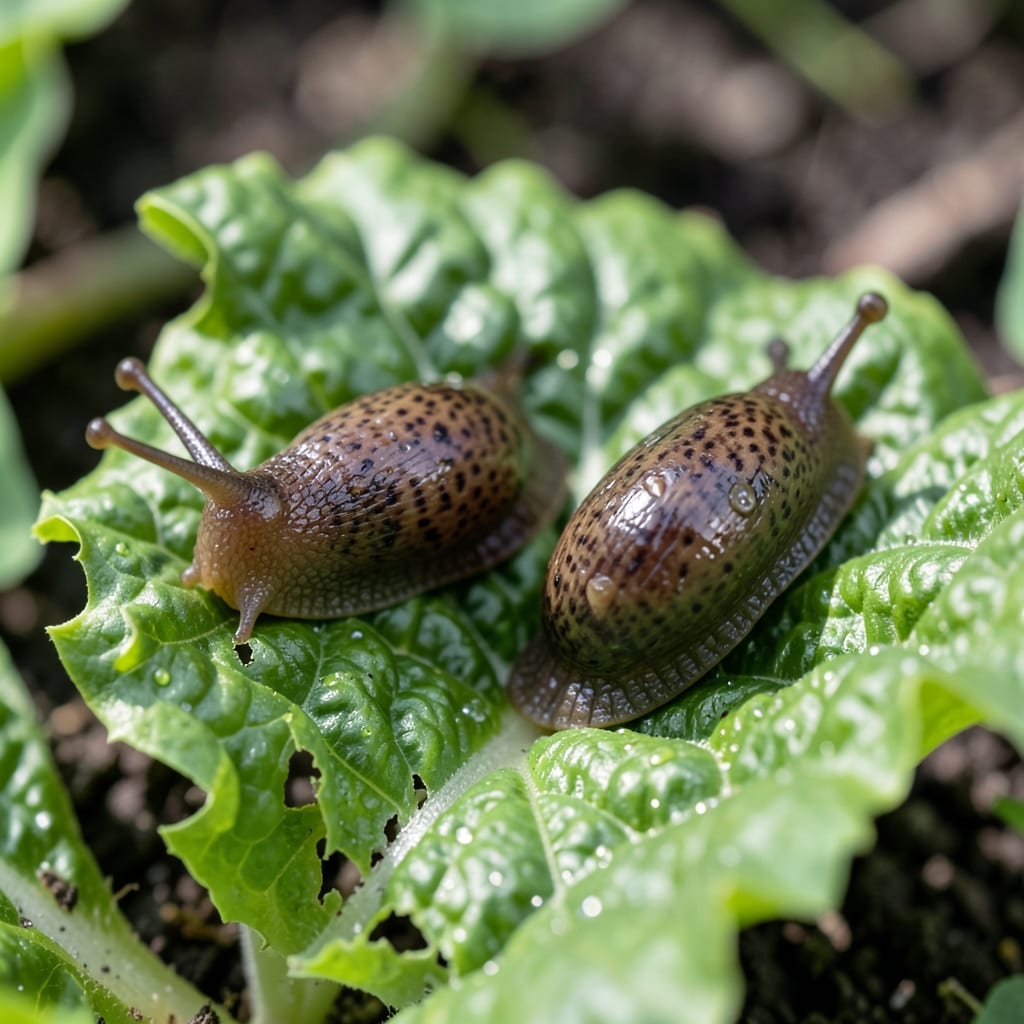
Slugs can benefit gardens by breaking down organic matter, recycling nutrients, and serving as food for birds, frogs, and beneficial insects, though they may also damage plants.
I’ve seen slugs act as nature’s cleanup crew, turning rotting leaves and plant debris into rich compost. They’re also a vital link in the garden food web, supporting predators that keep other pests in check. 🔥 However, their appetite for tender seedlings means I always monitor their numbers to protect my most vulnerable plants.
💡 In This Article
Slugs act as nature’s decomposers, breaking down dead plant material at an impressive rate. A single slug can process up to 50 times its body weight in organic matter annually, converting fallen leaves and decomposing plants into nutrient-rich humus.
This process accelerates the nitrogen cycle, making essential nutrients available to growing plants faster than natural decay alone would allow.
Their mucus secretions contain enzymes that pre-digest tough plant fibers, making the decomposition process more efficient. 🔥 This creates a perfect environment for beneficial soil microbes to thrive, further enhancing soil fertility. Studies show gardens with moderate slug populations have 15-20% higher organic matter content in their topsoil compared to slug-free gardens.
Slugs form a crucial part of the garden food web. They serve as a primary food source for 90+ species of birds, including thrushes and blackbirds, as well as frogs, toads, and ground beetles. These predators help maintain ecological balance by controlling other pest populations.
Without slugs, many of these beneficial species would struggle to find adequate food sources.
Their activity also improves soil structure. As slugs move through the soil, they create tiny channels that enhance aeration and water infiltration. This is particularly beneficial in clay soils, where their movement can improve drainage by up to 30%.
The tunnels they create become pathways for plant roots to follow, often leading to more robust root systems.
However, their benefits are most pronounced in balanced ecosystems. In a 100-square-foot garden, 20-30 slugs can provide optimal decomposition benefits without causing significant plant damage. This natural recycling system reduces the need for chemical fertilizers while maintaining soil health. ✨
Slugs accelerate decomposition by breaking down leaves and plant debris into rich compost. Their digestive process helps turn organic matter into nutrient-dense humus faster than natural decay.
Birds like thrushes, frogs, toads, and ground beetles all feed on slugs. These predators help maintain a natural balance, reducing the need for chemical pest control. A single thrush can eat 100+ slugs per day.
Yes, slugs often target tender seedlings and soft leaves, especially in damp conditions. Using copper tape or crushed eggshells as barriers can protect vulnerable plants effectively.
As they move, slugs create small tunnels that enhance soil aeration and water drainage. Their waste also enriches the soil with nutrients, boosting microbial activity. Gardens with slugs often have 15-20% more organic matter.