
Beautiful Plants For Your Interior
Beautiful Plants For Your Interior
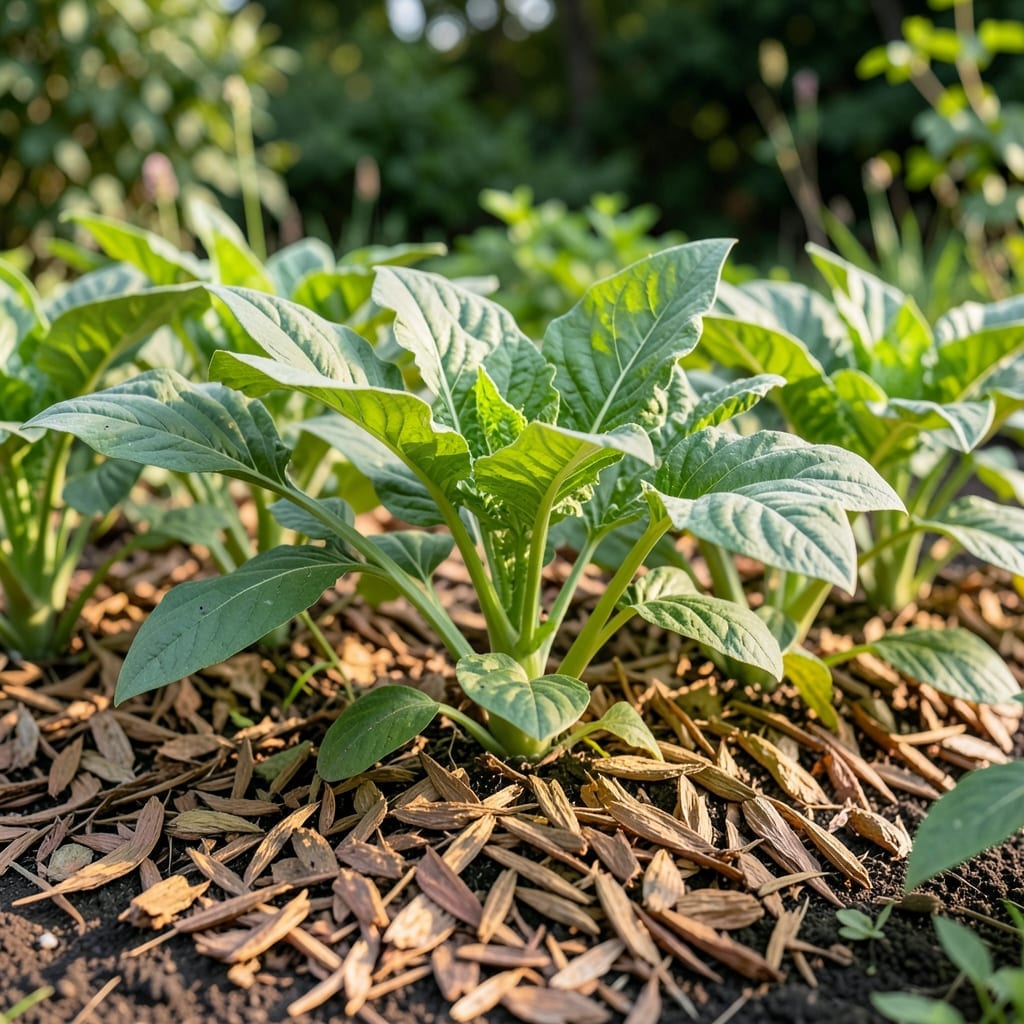
Mulched leaves are excellent for vegetable gardens as they retain moisture, suppress weeds, and enrich soil with organic matter as they decompose.
I’ve found that using shredded leaves as mulch creates an ideal environment for earthworms and beneficial microbes, which break down the material into nutrient-rich compost. 🔥 It also moderates soil temperature, protecting plant roots from extreme heat or cold while reducing the need for frequent watering.
This natural approach saves money on fertilizers and helps prevent soil erosion during heavy rains. ✨
💡 In This Article
The real magic happens through microbial action. As mulched leaves break down, bacteria and fungi feast on the carbon-rich material, producing humus—a dark, crumbly substance that holds 3-5x its weight in water. This dramatically improves your soil’s water retention compared to bare ground. 🔥
Nutrient release is gradual but significant. Leaf mulch typically contains 1-2% nitrogen by weight, along with phosphorus, potassium, and trace minerals. Unlike synthetic fertilizers that deliver nutrients quickly, mulched leaves release them slowly over 6-12 months, feeding plants consistently without risk of burning. ✨
Temperature moderation is another hidden benefit. A 2-3 inch layer of leaf mulch acts like insulation, keeping soil 10-15°F cooler in summer and 5-10°F warmer in winter. This stable environment encourages earthworms to stay active year-round, aerating soil and leaving behind nutrient-rich castings. 💫
The microbial party under your mulch is impressive. A single gram of healthy soil can contain 10,000-50,000 species of bacteria and fungi. Mulched leaves provide both food and habitat for these beneficial organisms, which in turn help break down organic matter into plant-available nutrients. ⚡
What most gardeners don’t realize is how leaf mulch improves soil structure. The organic matter binds sandy soil particles together while loosening heavy clay, creating the ideal loamy texture that plant roots love. This structural improvement happens gradually but permanently changes your garden’s growing conditions. 🌟
Aim for a 2-3 inch layer around plants. Too thin won’t suppress weeds, while too thick can trap moisture and cause rot. Keep it 2-3 inches away from stems to prevent disease.
Shredded leaves break down faster and create a uniform layer. Whole leaves can mat together, repelling water and creating mold. Use a leaf shredder or run over piles with a lawn mower.
Avoid walnut leaves—they contain juglone, a natural herbicide that can stunt plant growth. Also, skip leaves from diseased trees to prevent spreading pathogens to your garden.
Apply after soil warms in spring to avoid delaying germination. You can also add a fresh layer in early fall to protect soil over winter and give it a head start in spring.