
Beautiful Plants For Your Interior
Beautiful Plants For Your Interior
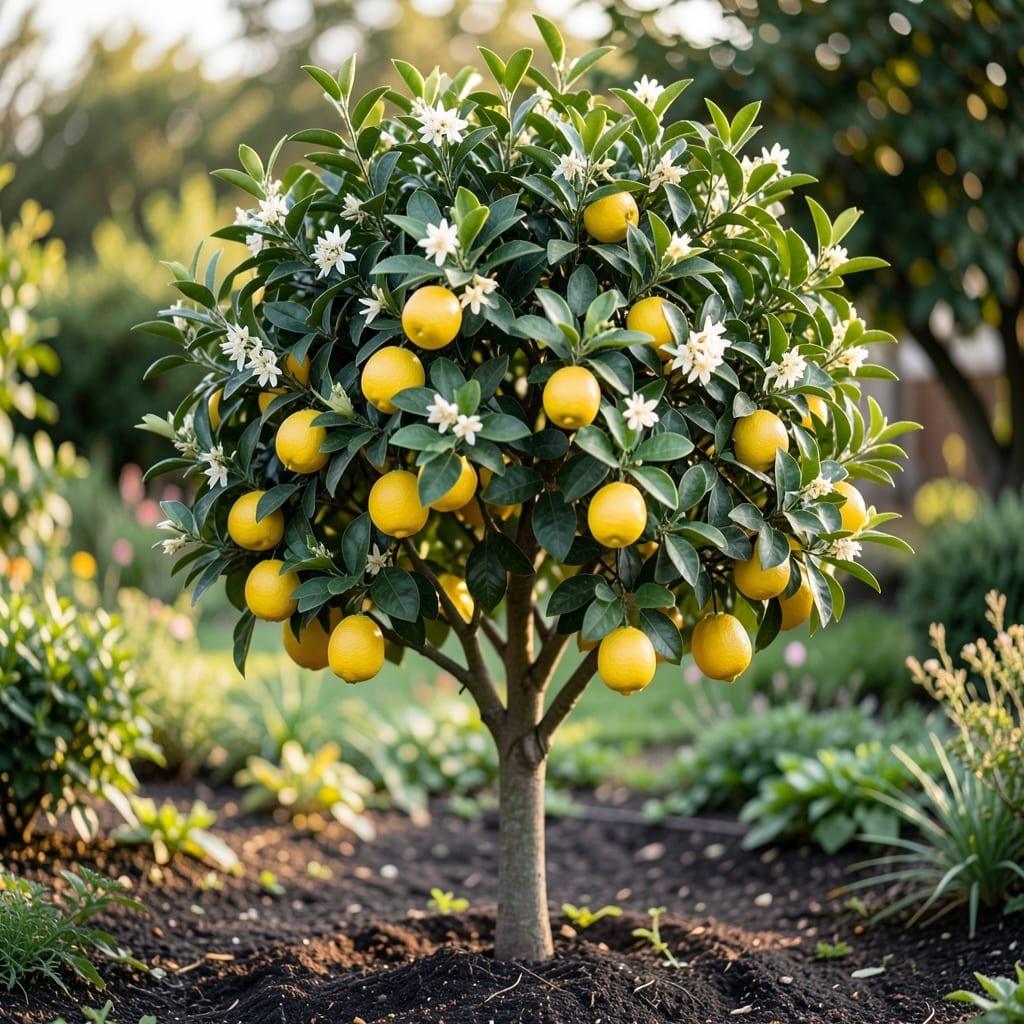
Yes, Meyer lemon trees are toxic to cats. They contain citronella and psoralens, which can cause vomiting, diarrhea, and skin irritation in felines.
As a cat owner, I learned the hard way that even small amounts of plant exposure can trigger serious reactions. The essential oils in citrus trees like Meyer lemons affect their liver enzymes, making them especially vulnerable. 🔥 I now keep my indoor plants on high shelves and monitor my pets closely when they’re near any greenery.
💡 In This Article
The primary culprits are psoralens and essential oils like citronella and linalool. Psoralens cause photosensitivity, making cats more prone to skin damage from sunlight. Citronella and linalool attack their liver enzymes, which lack the ability to metabolize these compounds efficiently. Even small amounts can trigger digestive distress. 🔥
These compounds are concentrated in the leaves, fruit, and bark. A cat chewing on just 1-2 leaves may ingest enough to cause vomiting or diarrhea within 2-4 hours. The oils can also irritate their skin on contact, leading to excessive grooming or redness. The scent alone can overwhelm their sensitive olfactory systems.
Cats are uniquely vulnerable because their livers produce fewer detoxifying enzymes than dogs or humans. This means citrus toxins linger longer in their systems, increasing the risk of liver damage. Their small size also means even trace amounts can have outsized effects compared to larger animals. ✨
What makes Meyer lemons particularly risky is their hybrid nature. They contain higher concentrations of these oils than standard lemons, with some samples showing 30% more citronella. The tree’s glossy leaves also retain more surface oils, making them especially hazardous if chewed. 💫
Veterinary studies show that repeated exposure can lead to chronic issues. Cats may develop allergic reactions over time, with symptoms escalating from mild gastrointestinal upset to more severe neurological effects like tremors. This is why immediate removal of the plant is crucial after any exposure.
The leaves and fruit contain the highest concentrations of toxic oils. Even 1-2 leaves can cause vomiting or diarrhea within 2-4 hours. The bark also carries residue, so all parts should be kept away.
While direct contact is more dangerous, the strong citrus scent can overwhelm their sensitive noses. Some cats may avoid the area entirely, but others might investigate and risk exposure.
Remove any plant material from their mouth and call your vet immediately. Have the ASPCA Poison Control number (888) 426-4435 ready. Time is critical with citrus toxicity.
No citrus varieties are completely safe. For greenery, try non-toxic alternatives like spider plants or Boston ferns. Always research before introducing new plants to a cat-friendly home.