
Beautiful Plants For Your Interior
Beautiful Plants For Your Interior
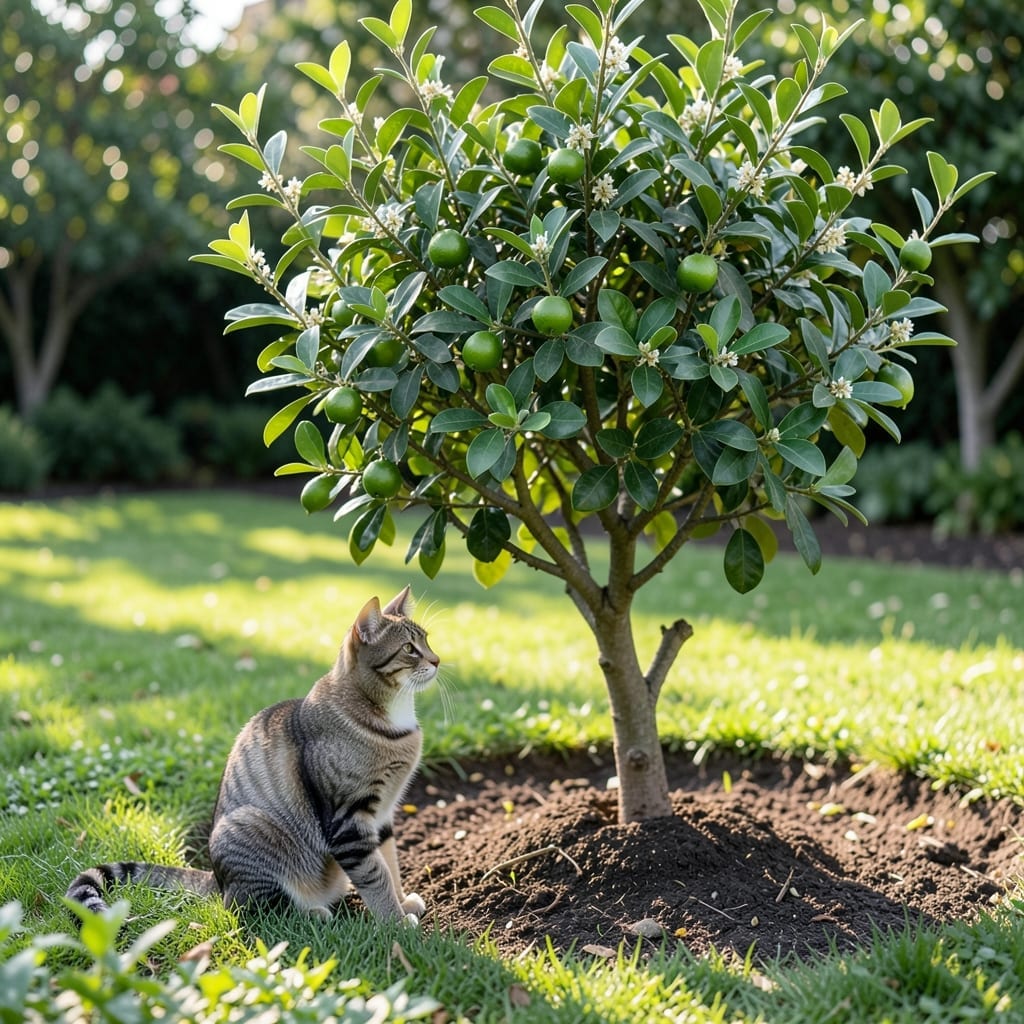
Yes, lime trees are toxic to cats. All parts, including leaves, stems, and fruit, contain compounds like limonene and psoralens that can cause vomiting, diarrhea, or skin irritation in felines.
I’ve seen firsthand how curious cats are drawn to citrus plants, but these natural oils and compounds can wreak havoc on their systems. Even small amounts of lime tree exposure can trigger digestive upset or dermatological reactions, so it’s crucial to keep pets away. 🔥
What’s often overlooked is that lime tree toxicity isn’t just from the fruit—every part of the plant poses risks, including fallen leaves or branches.
💡 In This Article
Lime trees produce essential oils containing limonene, linalool, and psoralens—compounds that cats metabolize poorly. Their livers lack sufficient enzymes to break down these terpenes, leading to accumulation in the bloodstream. Even 0.5% body weight exposure can trigger toxicity.
The highest concentrations appear in the fruit peel and leaves. When cats groom after contact, they ingest these oils, causing gastrointestinal irritation. Psoralens also make skin more light-sensitive, so outdoor cats may develop photodermatitis after sun exposure. 🔥
What’s particularly dangerous is the volatility of these compounds. Simply brushing against lime foliage releases aromatic oils that cats may inhale or lick off their fur. The citrus scent that we find pleasant is actually a deterrent in nature—most animals avoid it, but domestic cats often investigate.
Veterinary studies show limonene toxicity can cause liver enzyme elevation within 24-48 hours of ingestion. The fruit’s acidity also contributes to oral irritation, making cats drool excessively or paw at their mouths. Even dried lime leaves retain toxicity for months.
Interestingly, lime wood contains lower concentrations than the foliage, but cats may still chew on fallen branches. The compounds are lipophilic, meaning they bind to fats in the body, potentially affecting the nervous system over time. ✨
The fruit peel and leaves contain the highest concentrations of toxic compounds like limonene and psoralens. Even dried leaves retain toxicity for months, so remove fallen debris promptly.
Signs like drooling, vomiting, or pawing at the mouth can develop within 30 minutes to 2 hours after exposure. Skin irritation may take longer if your cat grooms after contact.
Indoor lime trees still produce harmful oils. Place them on high shelves or in hanging planters at least 5 feet above the floor to prevent access.
Rinse their mouth with cool water immediately and monitor for symptoms. Contact your vet or ASPCA Poison Control at 888-426-4435 if any signs appear.