
Beautiful Plants For Your Interior
Beautiful Plants For Your Interior
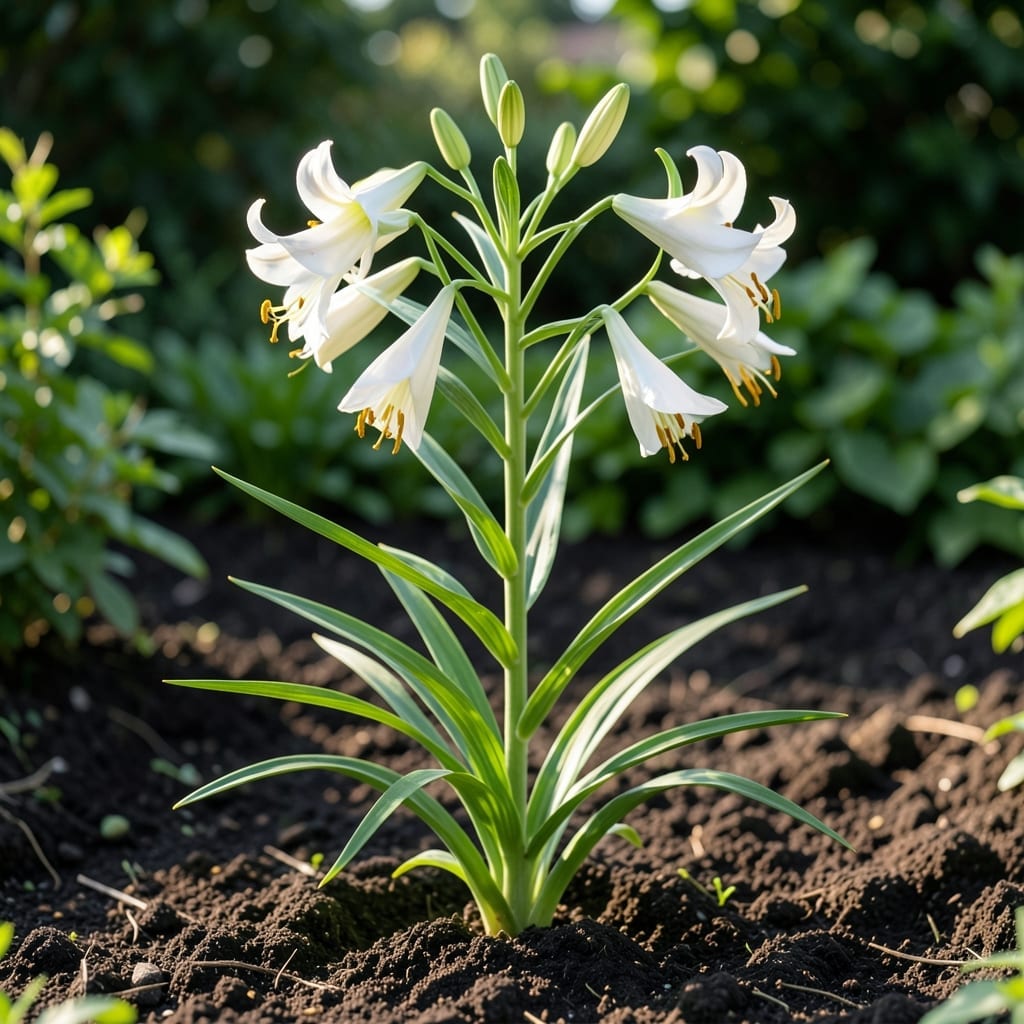
True lilies and daylilies are not highly toxic to humans, but eating large amounts may cause mild stomach upset. However, some lily varieties contain harmful alkaloids that can be dangerous if consumed in excess.
While most garden lilies pose minimal risk, I’ve learned that Lilium and Fritillaria species can trigger nausea or vomiting due to their alkaloid content. This is why it’s smart to keep these plants out of reach of curious kids. What’s interesting is that cooking doesn’t always neutralize these compounds, so caution remains key. 🔥
💡 In This Article
True lilies (Lilium spp.) contain steroidal alkaloids like cevine and veratridine that disrupt cellular function. These compounds interfere with sodium channels in human cells, potentially causing nausea, vomiting, or diarrhea when ingested in large quantities. The concentration varies by species, with Lilium regale (trumpet lily) having higher levels than Lilium longiflorum (Easter lily). 🔥
Daylilies (Hemerocallis) are often considered edible in some cultures, but they contain saponins and oxalates that can irritate the digestive tract. Consuming more than 1-2 flowers may lead to mild stomach cramps or bloating. Unlike true lilies, daylilies have a long history of culinary use in Asia, where they’re harvested young to minimize bitterness. ✨
Some wild lily varieties, like Fritillaria (fritillary), contain imperialine alkaloids that are significantly more toxic. Ingesting as little as 1-2 bulbs can cause severe vomiting, dizziness, or even heart rhythm disturbances. These bulbs are sometimes mistaken for edible onions, leading to accidental poisonings. 💫
Toxicity also depends on the plant part consumed. Bulbs typically contain the highest concentration of harmful compounds, while petals have the least. For example, Lilium bulbiferum (orange lily) bulbs contain 3-5 times more alkaloids than its flowers. Drying the plant doesn’t always neutralize these compounds, so caution is advised. ⚡
Individual sensitivity plays a role too. Some people may experience no symptoms from eating small amounts, while others react strongly to trace quantities. Children and pets are particularly vulnerable due to their lower body weight. Always consult poison control if ingestion occurs, even if symptoms seem mild. 🌟
Most true lilies cause only mild stomach upset if eaten in small amounts. However, bulbs contain higher concentrations of alkaloids, which may lead to nausea, vomiting, or diarrhea within 1-2 hours of ingestion.
Fritillaria (fritillary) bulbs are the most dangerous, containing imperialine alkaloids that can trigger severe vomiting or heart rhythm issues even in small doses. Avoid mistaking them for edible onions.
Daylilies are edible in moderation, but overconsumption may cause mild stomach cramps due to saponins and oxalates. Stick to 1-2 flowers and avoid the bulbs, which are more concentrated.
Wear nitrile gloves when working with lilies, and wash hands for 20 seconds afterward. Place plants in raised beds or hanging planters to keep them out of reach of children.
Call Poison Control immediately at 1-800-222-1222. Have the plant’s name and the amount ingested ready. Do not wait for symptoms to appear.