
Beautiful Plants For Your Interior
Beautiful Plants For Your Interior
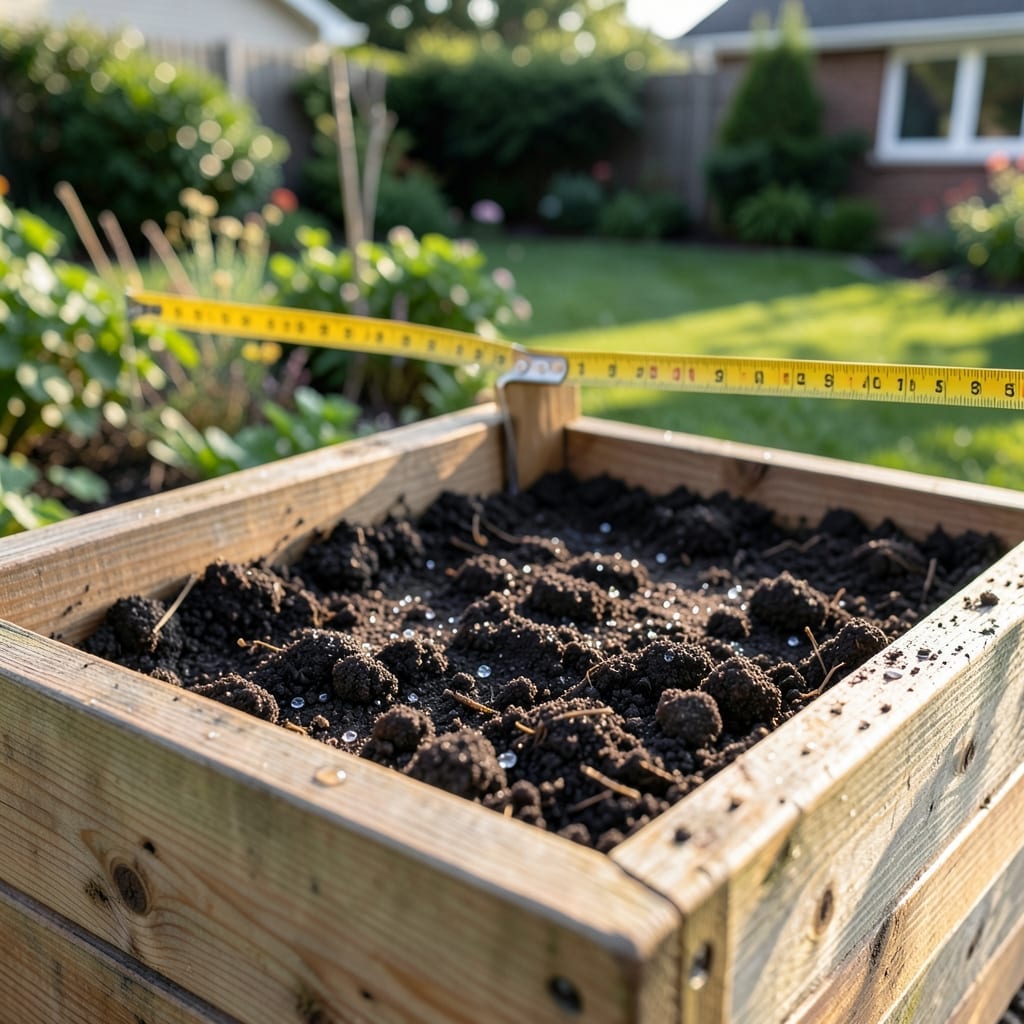
The height of your Raised Garden Bed 🌱 can transform your gardening experience. It’s not just about aesthetics—it directly impacts your plants’ health and your comfort while tending to them.
Choosing the right depth ensures proper root development and drainage, while the wrong height can lead to waterlogging or stunted growth. Whether you’re growing leafy greens or deep-rooted perennials, this decision matters more than you think.
Let me walk you through how to pick the most effective height for your needs, so you can garden smarter, not harder. The right choice will save your back and boost your harvest.

The ideal raised garden bed height depends on what you’re growing. Shallow-rooted plants like lettuce thrive in 6-inch beds, while carrots need 12-18 inches for proper root development.
Deep-rooted perennials such as asparagus require 18-24 inches of soil. The depth directly affects how much root space your plants have access to.
| Plant Type | Ideal Height | Key Reason |
|---|---|---|
| Leafy Greens | 6-12 inches | Shallow root systems |
| Root Vegetables | 12-18 inches | Deep root growth needed |
| Herbs | 6-12 inches | Moderate root depth |
| Deep Perennials | 18-24 inches | Extensive root systems |
For tomatoes and peppers, I recommend at least 12 inches of depth. This gives their roots room to spread while maintaining good soil moisture retention.
Strawberries do well in 8-inch beds, as their roots don’t need much space. However, they benefit from the improved drainage that raised beds provide.
If you’re growing a mix of plants, go for 12 inches as a happy medium. This depth works for most vegetables while keeping soil volumes manageable.
Remember that bed height also affects soil temperature. Taller beds warm up faster in spring, which can extend your growing season for heat-loving plants.
For accessibility, consider beds at least 2 feet tall. This height reduces bending, making gardening more comfortable for those with back issues.
In cold climates, deeper beds offer better insulation for roots. I’ve seen 18-inch beds keep soil warmer by several degrees compared to ground level.
The material of your bed can also influence height choices. Wooden beds can easily be built to any height, while metal beds often come in standard 12-24 inch options.
Choosing between tall and short raised beds depends on your gardening goals. I’ve found that taller beds offer excellent drainage and are easier on my back during long gardening sessions.
However, they do require more soil and can be more expensive to fill. The extra height also means they warm up faster in spring, which can be great for heat-loving plants like tomatoes.
Short beds are more budget-friendly and require less soil, making them ideal for beginners. They’re also easier to build and can be more stable in windy areas.
But they may have drainage issues in heavy clay soils. I’ve noticed that 6-inch beds can sometimes retain too much moisture, which isn’t ideal for plants that prefer drier conditions.
For gardeners with mobility issues, I always recommend taller beds. A 2-3 foot height can make gardening accessible without bending, which is a game-changer for many.
In my experience, the best height often depends on what you’re growing. While 12-inch beds work for most vegetables, I’ve had great success with 18-inch beds for root crops like carrots and beets.
Consider your climate too. In hot climates, shorter beds may be better as they stay cooler. But in cold areas, the extra height of taller beds can protect roots from freezing temperatures.