
Beautiful Plants For Your Interior
Beautiful Plants For Your Interior
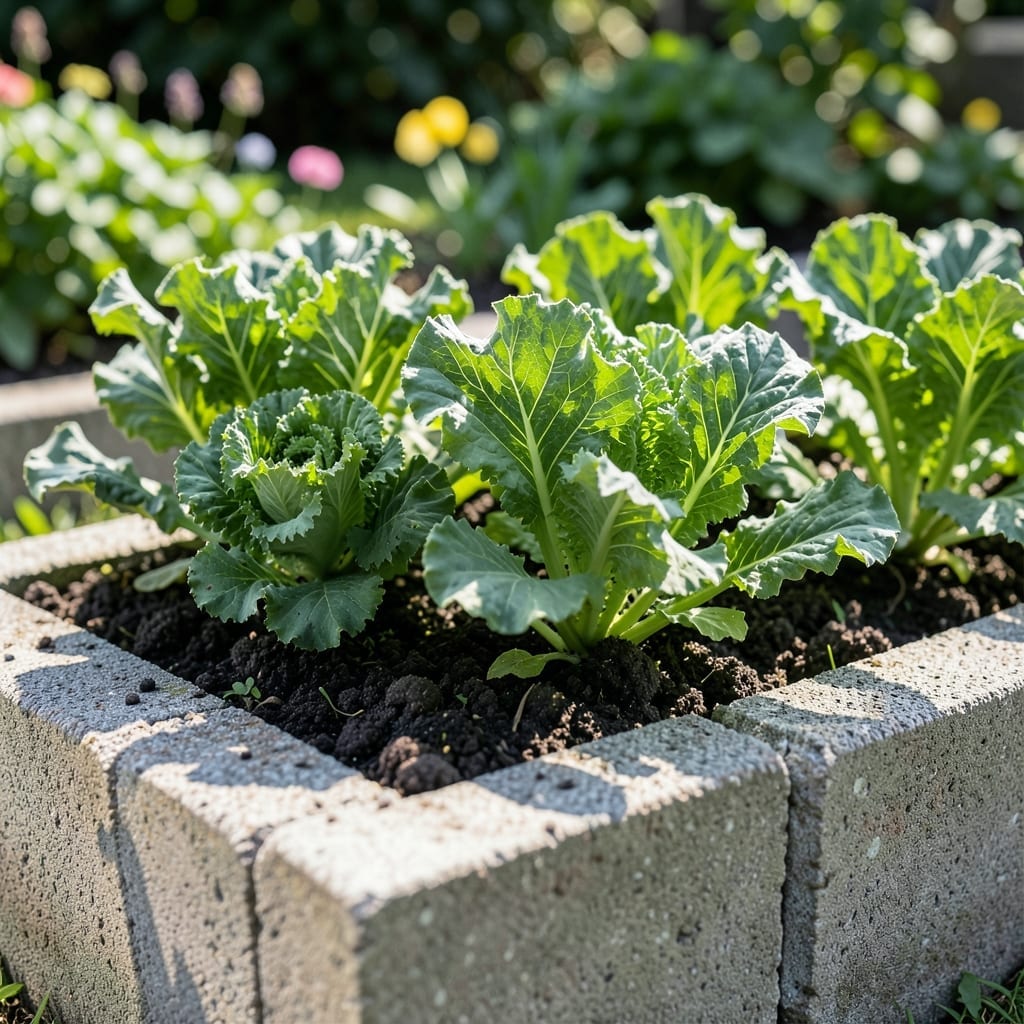
Cinder blocks may leach toxic metals like arsenic and chromium into soil, especially in older or low-quality blocks, potentially harming plants and edible crops. Newer, high-quality blocks pose less risk but still require caution.
I’ve found the main issue stems from fly ash, a coal byproduct used in production that contains heavy metals. These can seep into the earth over time, particularly in acidic or moist conditions. For edible gardens, I always recommend lining the blocks with heavy-duty plastic or choosing alternatives like untreated cedar. 🔥
Even “safe” blocks can affect soil chemistry, so testing your soil annually is a smart move. Long-term exposure might not just hurt plants—it could accumulate in the food chain.
💡 In This Article
Cinder blocks contain fly ash, a coal combustion byproduct rich in heavy metals. These include arsenic, chromium, and lead, which can leach into soil over time, especially in wet or acidic conditions. The porous nature of concrete allows water to penetrate, accelerating this process. 🔥
Older blocks (pre-1970s) often have higher toxin levels due to less regulated manufacturing. Even newer blocks may release trace amounts, particularly when exposed to pH below 6.5. This acidity breaks down the concrete matrix, freeing trapped metals into the surrounding earth.
Plants absorb these contaminants through their roots, with leafy greens and root vegetables being most vulnerable. Studies show arsenic uptake can reach 0.1-1.0 ppm in edible tissues—levels that accumulate with regular consumption. The risk increases in raised beds where soil volume is limited.
Temperature fluctuations also play a role. Freeze-thaw cycles create micro-cracks in blocks, expanding the surface area for leaching. In warm climates, consistent moisture from irrigation speeds up the process. Testing soil annually for heavy metals is the only way to monitor exposure. ✨
For perspective, a 4×8-foot bed lined with 20 cinder blocks could introduce measurable contaminants within 2-3 growing seasons. The impact varies by plant type—tomatoes show less uptake than lettuce, but both can be affected over time.
Mitigation helps but isn’t foolproof. Plastic liners can reduce leaching by 60-80%, though they degrade under UV exposure. The most reliable solution remains choosing alternative materials for edible gardens. 💫
Older blocks (pre-1970s) contain higher levels of fly ash with toxic metals. Even newer blocks can leach in acidic soil (pH below 6.5) or wet conditions. Always check the manufacturing date.
Line the inside with heavy-duty plastic (6 mil thickness) to create a barrier. This can reduce leaching by 60-80%, though UV exposure may degrade it over 2-3 years.
Leafy greens and root vegetables like lettuce and carrots show the highest uptake. Fruiting plants like tomatoes absorb less but aren’t risk-free over time.
Test annually for heavy metals, especially in the first 3 growing seasons. Use a lab test for accuracy—home kits may miss trace amounts of arsenic or chromium.