
Beautiful Plants For Your Interior
Beautiful Plants For Your Interior
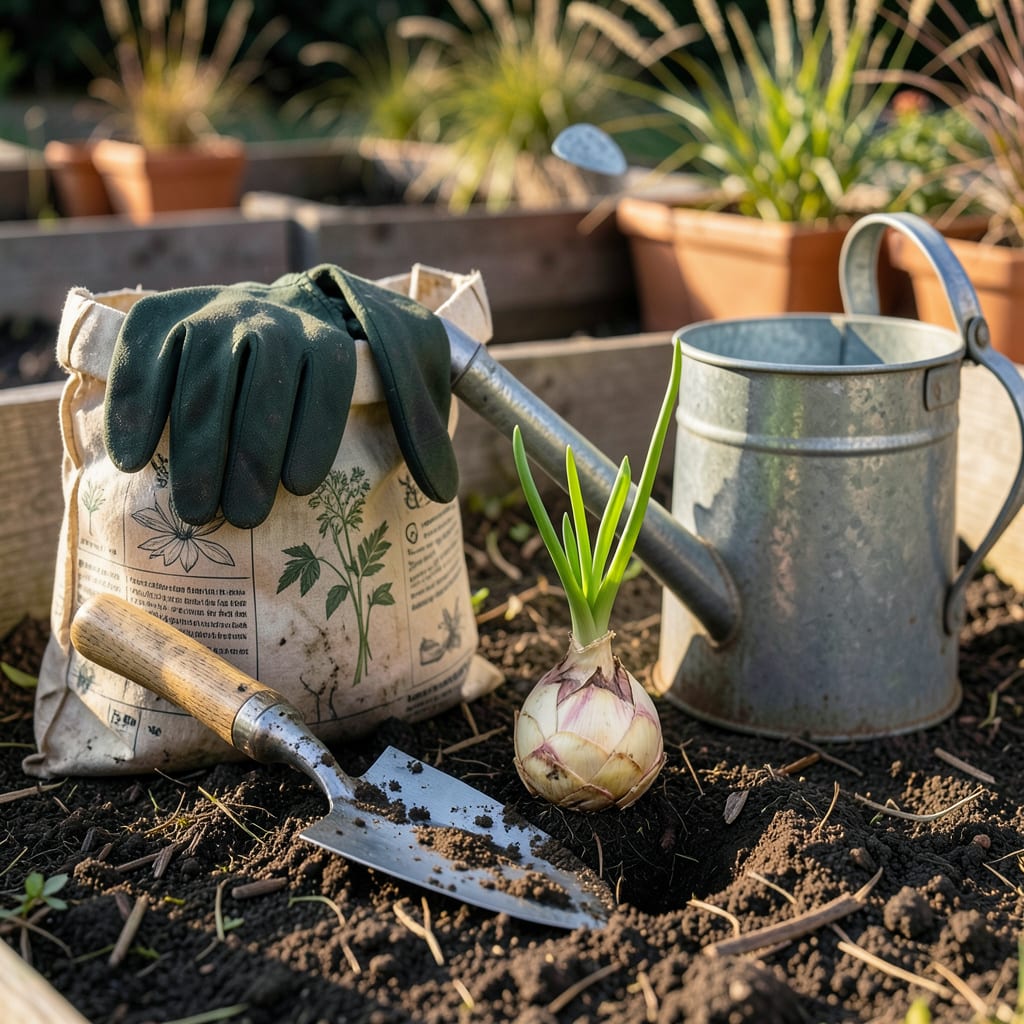
That first glimpse of vibrant lilies swaying in your Michigan garden next summer starts with one critical decision: when to get those bulbs in the ground. Plant them at the wrong time, and you might end up with lackluster blooms—or worse, no flowers at all.
After years of testing what works in our Zone 5b-6b climate, I’ve nailed down the perfect fall window for planting lilies. Stick with me, and I’ll show you exactly how to time it for showstopping results—without the guesswork.
If you want show-stopping lilies next summer, fall is your golden opportunity in Michigan. The secret? Planting when soil temperatures hover between 55-60°F—usually late September through October for most of the state. This gives bulbs time to establish roots before winter dormancy.
Michigan’s USDA zones 4-6 mean timing varies slightly. In Zone 4 (Upper Peninsula), aim for early September to beat early frosts. For Zones 5-6 (Lower Peninsula), you’ve got until mid-November if the ground stays workable. Pro tip: Use a soil thermometer for precision!
| Zone | Planting Window | First Frost Date | Notes |
|---|---|---|---|
| Zone 4 (UP) | Early Sept – Oct 1 | Sept 20 | Plant early; mulch heavily |
| Zone 5 (Detroit) | Sept 15 – Nov 1 | Oct 15 | Ideal for Asiatic lilies |
| Zone 6 (SW MI) | Oct 1 – Nov 15 | Nov 1 | Can push later with row covers |
Why fall? Cold stratification (natural chilling) triggers lilies to bloom profusely. Spring-planted bulbs often lag behind, producing weaker stems and fewer flowers. I’ve seen Oriental lilies planted in October outperform spring-planted ones by 30% more blooms the following summer!
Watch the 10-day forecast before planting. You want 4-6 weeks of growing time before the ground freezes. In Traverse City, that means wrapping up by October 20. In Grand Rapids, you can often stretch to November 1 with proper mulching.
Soil prep matters in Michigan’s varied terrain. For clay-heavy soils (common in SE Michigan), mix in compost and sand to improve drainage. Sandy soils (West Michigan) benefit from peat moss to retain moisture. Aim for a pH of 6.5-7.0—test with a kit from your local extension office.
Here’s a trick I swear by: Plant in clusters of 3-5 bulbs, spacing them 12-18 inches apart. This creates a natural-looking drift and improves air circulation, reducing fungal risks in Michigan’s humid summers. For Trumpet lilies, give them 18-24 inches—they’re giants!
Don’t forget the mulch blanket! After planting, cover with 4-6 inches of straw or shredded leaves. This insulates bulbs against Michigan’s freeze-thaw cycles, which can heave bulbs out of the ground. Remove mulch gradually in early April as shoots emerge.
If you’re in urban areas like Detroit or Lansing, watch for heat islands that delay frost. I’ve successfully planted as late as November 10 in protected city microclimates. Rural gardeners should stick to earlier dates—frost comes faster in open fields.
For container-grown lilies, the rules bend slightly. You can plant bulbs in pots until late November, then overwinter them in an unheated garage (35-45°F). Just ensure pots are well-draining—soggy bulbs rot over winter.
Remember: Lilies are deer candy in Michigan! If Bambi’s a problem, interplant with daffodils (toxic to deer) or use chicken wire cages at planting time. Your future self will thank you when those 6-foot stems aren’t nibbled to nubs! 🌷
Now that you know when to plant, let’s dig into the how-to for Michigan’s unique conditions. The key starts with site selection—lilies thrive in full sun to partial shade (6+ hours daily). In Michigan, morning sun is ideal to dry dew quickly, reducing fungal risks.
Our heavy clay soils (especially in SE Michigan) need amending. I mix 2 inches of compost and 1 inch of coarse sand into the top 12 inches of soil. For sandy West Michigan soils, add peat moss to retain moisture. Always test drainage by digging a 1-foot hole, filling with water—it should drain within 2 hours.
| Step | Action | Michigan Tip |
|---|---|---|
| 1. Dig holes | Depth: 6-8 inches (3x bulb height) | Deeper in Zone 4 for insulation |
| 2. Add fertilizer | 5-10-10 bulb food (1 tbsp per hole) | Avoid fresh manure—burns bulbs |
| 3. Plant bulbs | Pointy end up, 12-18″ apart | Closer in windy areas for support |
| 4. Backfill | Replace soil, firm gently | Create mound in clay to improve drainage |
| 5. Water deeply | 1 inch of water | Use soaker hose to avoid wetting foliage |
| 6. Mulch | 4-6 inches of straw | Wait until ground freezes to apply |
For planting depth, I follow the “3x rule”: bury bulbs 3 times their height. Most lilies need 6-8 inch holes. In Zone 4, err on the deeper side (8 inches) for extra frost protection. Use a bulb planter tool to save your back!
Spacing matters in our humid summers. I plant Asiatic lilies 12 inches apart and Oriental/Trumpet types 18-24 inches apart. This prevents botrytis blight, a common issue in Michigan’s July humidity. For container planting, use pots at least 12 inches deep with drainage holes.
After planting, water thoroughly to settle soil and eliminate air pockets. Then mark locations with biodegradable flags—lily shoots emerge late in Michigan (often May). Avoid walking on planted areas until sprouts appear, as compacted soil stunts growth.
Here’s my Michigan mulching trick: Wait until after the first hard frost (when soil temps drop below 40°F) to apply mulch. This prevents rodents from nesting. Use straw or chopped leaves—avoid hay (weed seeds!) or plastic (traps moisture).
For deer-prone areas (most of Michigan!), interplant lilies with alliums or daffodils. Or spray bulbs with deer repellent at planting. I’ve had great success with plantskydd, which lasts through winter. Remember: healthy bulbs start with proper planting—your summer blooms depend on it! 🌷
Even experienced Michigan gardeners can sabotage their lily bulbs with simple oversights. The biggest mistake I see? Planting too shallow—especially in our freeze-thaw cycles. Bulbs planted less than 6 inches deep risk frost heave, where winter thaws push them to the surface. 🌱
Another critical error: ignoring soil pH. Michigan’s naturally acidic soils (often pH 5.5-6.0) can stunt lilies, which thrive at 6.5-7.0. Always test your soil and amend with lime if needed. Skipping this step means weaker stems and fewer blooms next summer.
| # | Mistake | Why It’s Bad | Michigan Fix |
|---|---|---|---|
| 1 | Planting too late | Bulbs won’t root before freeze | Plant by Oct 15 in Zone 5 |
| 2 | Skipping mulch | Freeze-thaw damage heaves bulbs | Use 6″ straw after first frost |
| 3 | Overwatering in fall | Rots bulbs before dormancy | Water once after planting, then stop |
| 4 | Wrong variety | Non-hardy lilies die in Zone 4 | Choose Zone 3-4 hardy types |
| 5 | Poor drainage | Bulbs rot in wet clay | Amend with compost + sand |
Overwatering in fall is another silent killer. Many gardeners assume new bulbs need frequent watering, but lilies enter dormancy after planting. I water once deeply after planting, then let nature take over. Soggy soil + cold temps = rotten bulbs by spring.
Choosing the wrong lily variety spells disaster in Michigan’s winters. Avoid tender Tree Lilies or LA Hybrids in Zone 4—they won’t survive. Stick with hardy Asiatic, Martagon, or Trumpet lilies rated for Zone 3-4. Always check tags!
Finally, neglecting deer protection means feeding Bambi instead of enjoying blooms. In Michigan, lilies are deer candy. My go-to solution? Plant bulbs inside wire cages or intersperse with daffodils (toxic to deer). Spraying repellent at planting adds extra insurance. 🌷
Remember: Michigan’s clay soils can suffocate bulbs if not amended. I mix in 50% compost to planting holes for better drainage. For sandy soils (like near Lake Michigan), add peat moss to retain moisture. Small fixes now prevent big disappointments next July!
Fall planting is ideal for Michigan gardeners. Bulbs planted in September-October develop strong root systems before winter, leading to more vibrant summer blooms. Spring planting works but often results in weaker stems and fewer flowers.
Dig holes 6-8 inches deep—about 3 times the bulb’s height. In Michigan’s heavy clay (especially SE regions), add 2 inches of compost to improve drainage. Deeper planting helps prevent frost heave in our freeze-thaw cycles.
Aim to finish by November 1 in Zone 5 areas like Detroit. You need 4-6 weeks before ground freezes for root establishment. Use a soil thermometer—plant when temps hit 55-60°F for best results.
Lilies are deer magnets in Michigan. Plant bulbs inside wire cages or intersperse with daffodils (toxic to deer). Spraying repellent at planting time adds extra protection through winter.
Yes, but use pots at least 12 inches deep with drainage holes. After planting, move containers to an unheated garage (35-45°F) for winter. Water lightly once monthly to prevent complete drying out.
