
Beautiful Plants For Your Interior
Beautiful Plants For Your Interior
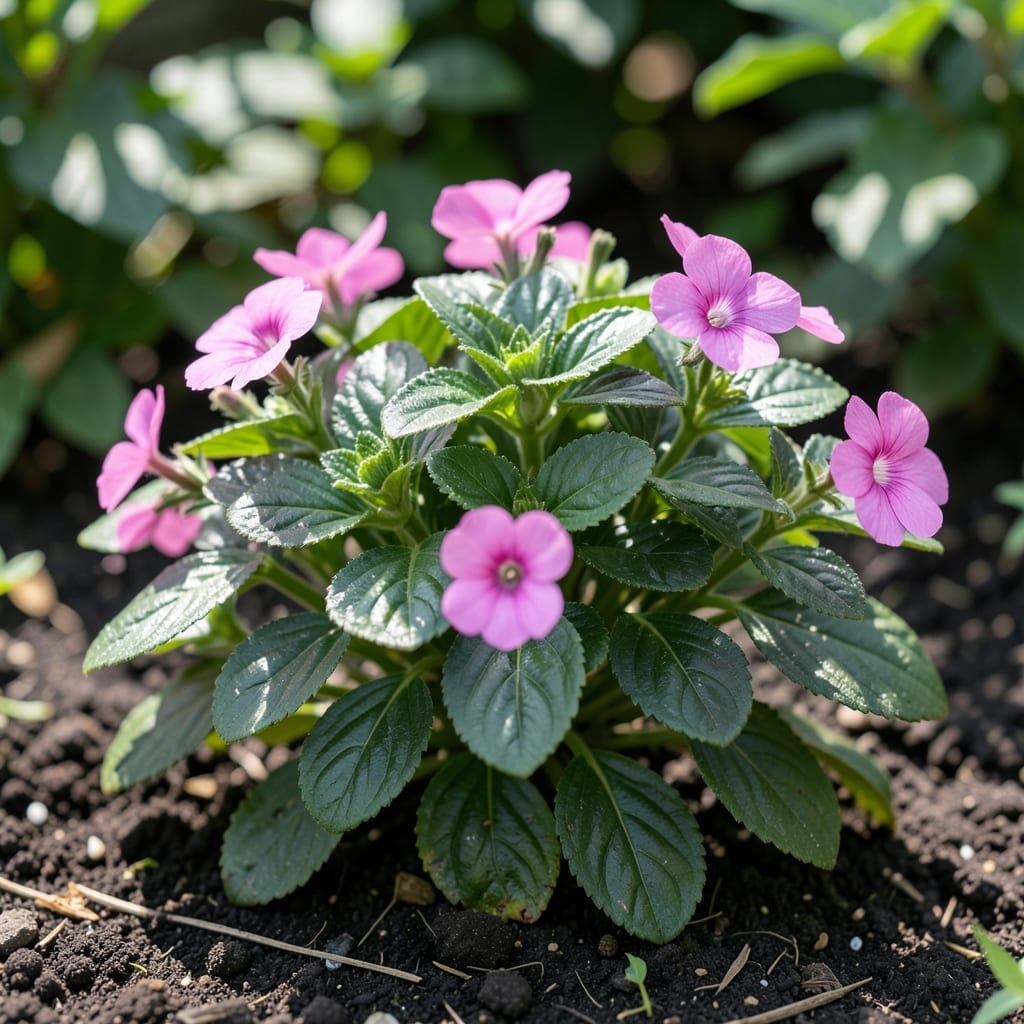
Impatiens are typically grown as annuals in most climates, completing their lifecycle in one season. However, they are tender perennials in frost-free zones where they can regrow yearly.
In most gardens, these vibrant flowers won’t survive winter frosts, which is why they’re treated as one-season plants. But in warmer areas like USDA zones 10-11, they can thrive year after year if the conditions stay mild. I’ve seen them bounce back beautifully in tropical climates with minimal effort. ✨
💡 In This Article
Impatiens originate from tropical regions of Africa and Asia, where they naturally grow as perennials in warm, frost-free environments. Their native habitat provides consistent warmth with temperatures rarely dipping below 50°F, allowing their tender stems and leaves to thrive year-round. This tropical heritage explains why they struggle in colder climates. 🌿
The plants’ frost sensitivity is the key factor. When exposed to temperatures at or below 32°F, the water in their cells freezes, causing irreversible damage to plant tissues. Even a light frost can turn leaves black and mushy overnight.
In USDA zones 10-11, where winter temperatures stay above 40°F, impatiens can survive and regrow from their roots each spring.
In cooler zones, gardeners treat them as annuals because the plants won’t survive winter outdoors. The growth cycle accelerates in response to shorter days, with impatiens completing their entire lifecycle—from seed to bloom to seed production—in a single growing season. This adaptation allows them to maximize reproduction before cold weather arrives. ⚡
What’s fascinating is how impatiens respond to their environment. In frost-free areas, they may grow as woody perennials up to 2 feet tall, while in annual cultivation they typically stay compact at 6-18 inches. The same species demonstrates dramatically different growth patterns based solely on climate conditions.
Their tropical origins also explain their preference for shade and consistent moisture. In their native habitats, impatiens often grow under forest canopies where they receive dappled sunlight and high humidity. This is why they perform so well in shaded garden spots where other flowers might struggle. 💧
Only in USDA zones 10-11 where winters stay frost-free. In colder areas, they’ll die with the first frost and need replanting each spring.
Cover them with frost cloth or move potted plants indoors when temperatures drop below 50°F. Even a light frost will kill them.
Yes! Keep them near a bright window with consistent moisture. Maintain temperatures around 60-70°F and reduce watering in winter.
This happens in too much sun or crowded conditions. Pinch back stems and ensure 2-4 hours of morning sun with afternoon shade.