
Beautiful Plants For Your Interior
Beautiful Plants For Your Interior
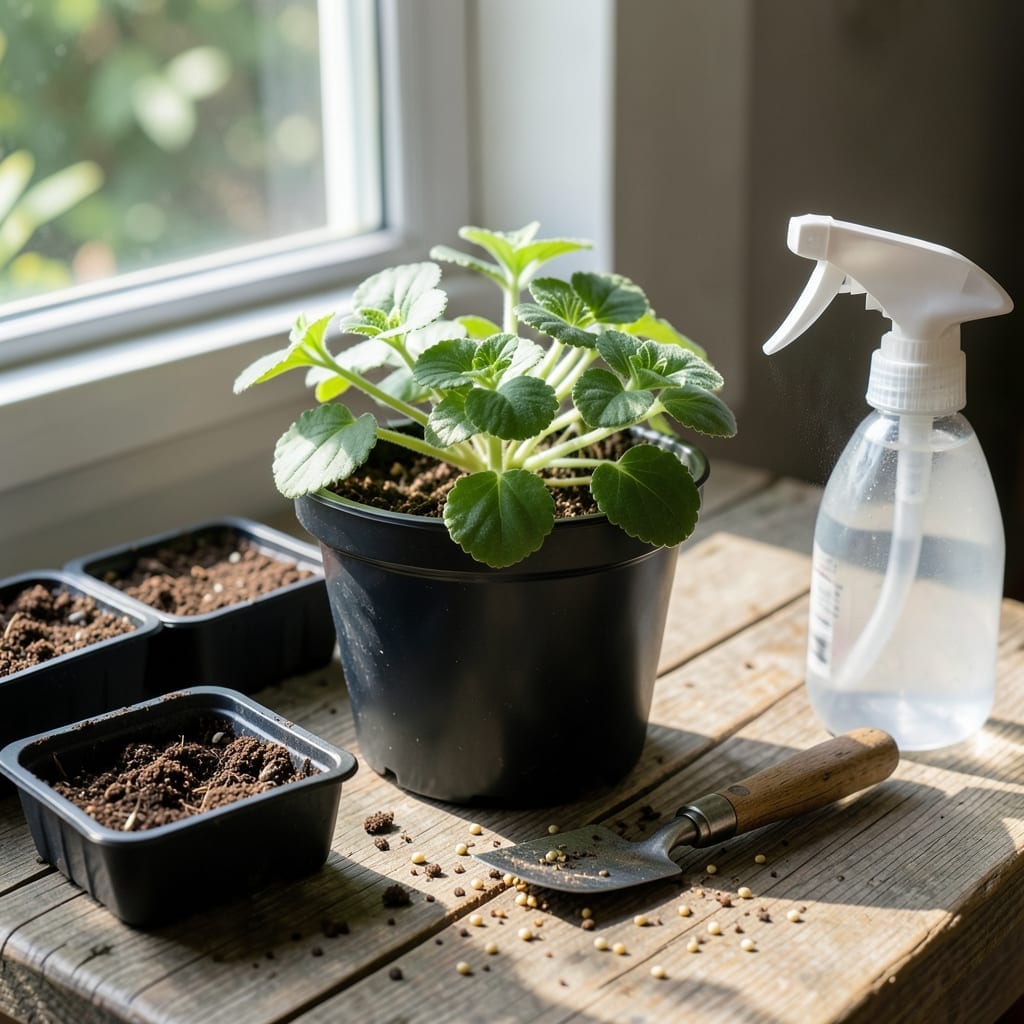
Timing is everything when starting Impatiens 🌸 seeds indoors. Plant too early and you risk leggy seedlings; too late and you’ll miss the optimal blooming window.
I’ve learned the hard way that getting this right makes all the difference. For most gardeners in Zone 6, the sweet spot is February to March.
Discover the perfect schedule for your zone to ensure vibrant, healthy Impatiens all season long. Let’s break it down step by step.
Getting the timing right for Impatiens seeds is crucial for strong, healthy plants. I’ve found that starting too early leads to leggy seedlings, while waiting too long means missing the best blooming period.
For most gardeners, the ideal window is 8-10 weeks before the last frost date. This gives seedlings enough time to mature before transplanting outdoors.
| USDA Zone | Start Indoors | Last Frost Date | Transplant Outdoors |
|---|---|---|---|
| Zone 3-4 | Mid-March | May 15 | Early June |
| Zone 5 | Early March | April 15 | Mid-May |
| Zone 6 | Late February | April 1 | Early May |
| Zone 7-8 | Early February | March 15 | Early April |
| Zone 9-10 | January | February 15 | March |
In Zone 6, where I garden, I start my Impatiens seeds in late February. This aligns perfectly with our April 1 average last frost date.
For warmer Zone 9-10, you can begin as early as January. The key is counting backward from your last frost date, ensuring 8-10 weeks of indoor growth.
Remember that Impatiens are tender annuals. They can’t handle frost, so timing your start date prevents exposure to cold snaps after transplanting.
If you’re unsure about your zone, check the USDA Plant Hardiness Zone Map. It’s an invaluable tool for precise timing.
I also consider my local microclimate. Urban areas or spots near buildings may warm up faster, allowing for slightly earlier starts.
For Impatiens, consistency in temperature is vital. Aim for 70-75°F soil temps for optimal germination, which most indoor setups can provide.
This timing ensures your seedlings will be ready to thrive when moved outdoors after the danger of frost has passed.
By following these zone-specific guidelines, you’ll enjoy vibrant Impatiens blooms all season long 🌸
Starting Impatiens seeds indoors requires careful attention to light, temperature, and moisture. I’ve had the best success when I control these factors precisely.
Begin by selecting a well-draining seed-starting mix. This prevents waterlogging, which can rot delicate Impatiens seeds before they even sprout.
I always use a heat mat to maintain consistent soil temperature. Impatiens seeds germinate best at 70-75°F, and a heat mat helps achieve this.
For light requirements, a south-facing window works, but I prefer grow lights. They provide consistent 12-14 hours of light, which prevents leggy seedlings.
Water gently using a spray bottle to avoid disturbing the seeds. The soil should stay evenly moist, but never waterlogged. I check daily and mist as needed.
Once seedlings emerge, remove the humidity dome and gradually acclimate them to room conditions. This hardening-off process prepares them for eventual outdoor transplanting.
With these steps, you’ll have strong Impatiens seedlings ready for your garden 🌸