
Beautiful Plants For Your Interior
Beautiful Plants For Your Interior
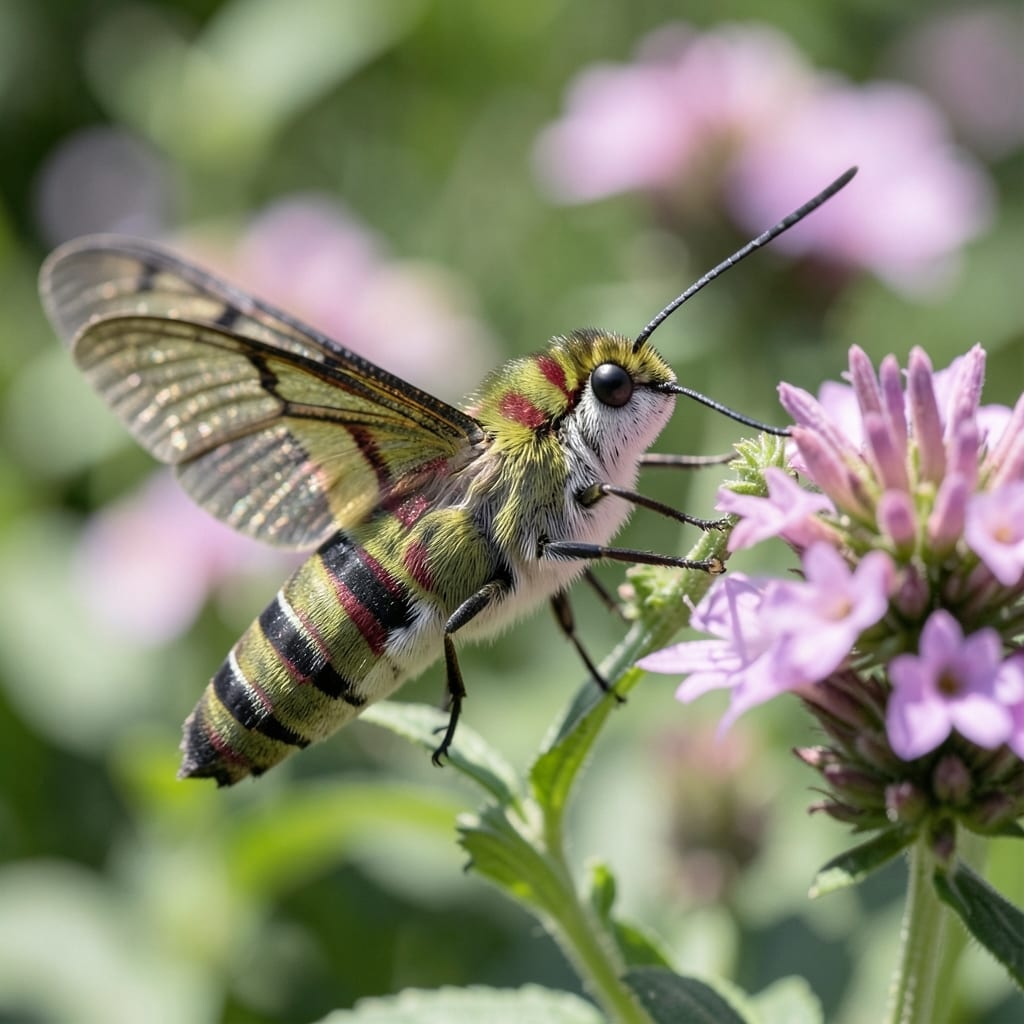
Hummingbird moths belong to the Sphingidae family, with species like the white-lined sphinx and clearwing hummingbird moth being native to North America. These insects have coexisted with local flora for millennia, evolving alongside plants like evening primrose and beebalm. Their natural range spans from southern Canada to Mexico, perfectly aligned with their host plants’ distributions.
🔥
As pollinators, they perform a critical night-shift role that diurnal bees miss. Their 2-3 inch proboscis allows them to access nectar from deep tubular flowers like honeysuckle and moonflower.
Studies show they can visit 20-30 flowers in just 5 minutes, transferring pollen more efficiently than many bees due to their rapid wingbeats of 70-80 beats per second. ✨
Unlike invasive species, these moths don’t outcompete native pollinators. Instead, they fill a unique ecological niche by pollinating white or pale flowers that bloom at dusk. Their activity complements daytime pollinators, creating a 24-hour pollination cycle that benefits entire ecosystems. This temporal division reduces competition while maximizing plant reproductive success. 💫
Their larvae, often called hornworms, primarily feed on plants in the nightshade family. While they may consume tomato leaves in gardens, this is part of their natural lifecycle and rarely causes significant damage. In fact, their presence indicates a healthy, balanced ecosystem where native species thrive in their intended roles. ⚡
Conservation efforts actually encourage their populations through native plant gardening. Organizations like the Xerces Society highlight their importance in maintaining biodiversity, particularly for plants that have evolved to depend on these specialized night pollinators. Their native status means they support rather than disrupt local food webs.
No, they’re actually beneficial pollinators for evening-blooming plants. Their larvae may nibble on nightshade leaves like tomatoes, but this rarely causes significant damage.
Their rapid wingbeats of 70-80 beats per second and hovering flight mimic hummingbirds to access nectar. This adaptation helps them pollinate deep tubular flowers effectively.
They’re primarily active at dusk and dawn, pollinating white or pale flowers that release fragrances during these times. Their night-shift role complements daytime pollinators.
Hummingbird moths have fuzzy bodies, long proboscises, and hover like hummingbirds. Bees are smaller, fuzzier, and don’t hover in place while feeding.