
Beautiful Plants For Your Interior
Beautiful Plants For Your Interior
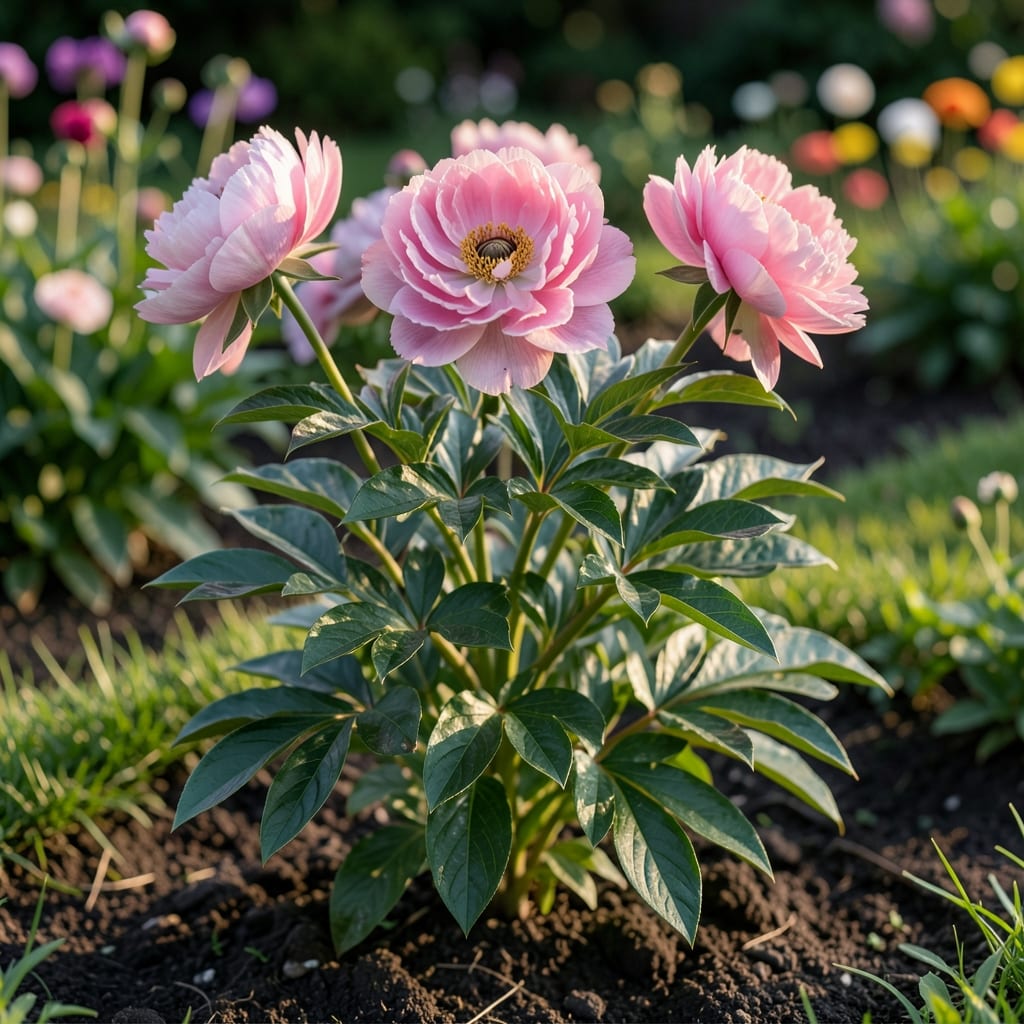
No, most peonies are not native to North America. The majority originated in Asia and Europe, while only a few wild species, like the rare western peony, are native to the western U.S. and Canada.
While the cultivated peonies in most gardens trace their roots to China or Europe, the continent does host a handful of native varieties. The western peony thrives in rocky soils of the Pacific Northwest, offering a unique glimpse into indigenous floral diversity. 🌟
This distinction matters for gardeners selecting species suited to their region’s climate and soil conditions. I’ve found native varieties often require less maintenance once established in their natural habitat.
💡 In This Article
North America hosts exactly 3 native peony species, all belonging to the Paonia genus. The most widespread is Paeonia brownii, commonly called Brown’s peony, which grows in dry, rocky slopes from British Columbia to California at elevations up to 8,000 feet. Its dark maroon flowers and deeply lobed leaves distinguish it from Asian varieties. 🌟
Paonia californica, the California peony, thrives in chaparral ecosystems with its bright yellow flowers. Meanwhile, Paonia tenui folia (fernleaf peony) appears in the southern Rockies, featuring finely divided foliage and scarlet blooms. These natives evolved in harsh, well-draining soils unlike the rich loam preferred by Chinese peonies.
What sets these apart is their drought tolerance once established. While Asian peonies often require consistent moisture, native species have developed extensive root systems to survive seasonal dry spells. Their flowers also tend to be smaller (2-3 inches vs. 6-10 inches in cultivars) but produce more seeds for natural propagation.
Gardeners in western states can leverage these adaptations. Native peonies rarely need fertilization and resist common pests like botrytis blight that plague non-native varieties. Their deep taproots also make them excellent for erosion control on slopes, where other plants might struggle to establish. ✨
These species offer a glimpse into North America’s floral evolution. Unlike the double-flowered cultivars developed over centuries in China, native peonies maintain their simple, single-form blooms—perfect for pollinators like native bees and hummingbirds that co-evolved with them. 💫
There are exactly 3 native species: Brown’s peony, California peony, and fernleaf peony. These thrive in specific regions like the Pacific Northwest and Rockies.
Native types have smaller blooms (2-3 inches), thrive in poor soil, and resist drought. Asian peonies need rich soil and consistent moisture but offer larger, showier flowers.
Yes, but they require 6-8 hours of sun and winter chilling. Plant eyes just 2 inches deep in well-draining soil for best results.
Their deep taproots access nutrients in harsh soils. These adaptations help them survive where other plants struggle, making them low-maintenance for gardeners.