
Beautiful Plants For Your Interior
Beautiful Plants For Your Interior
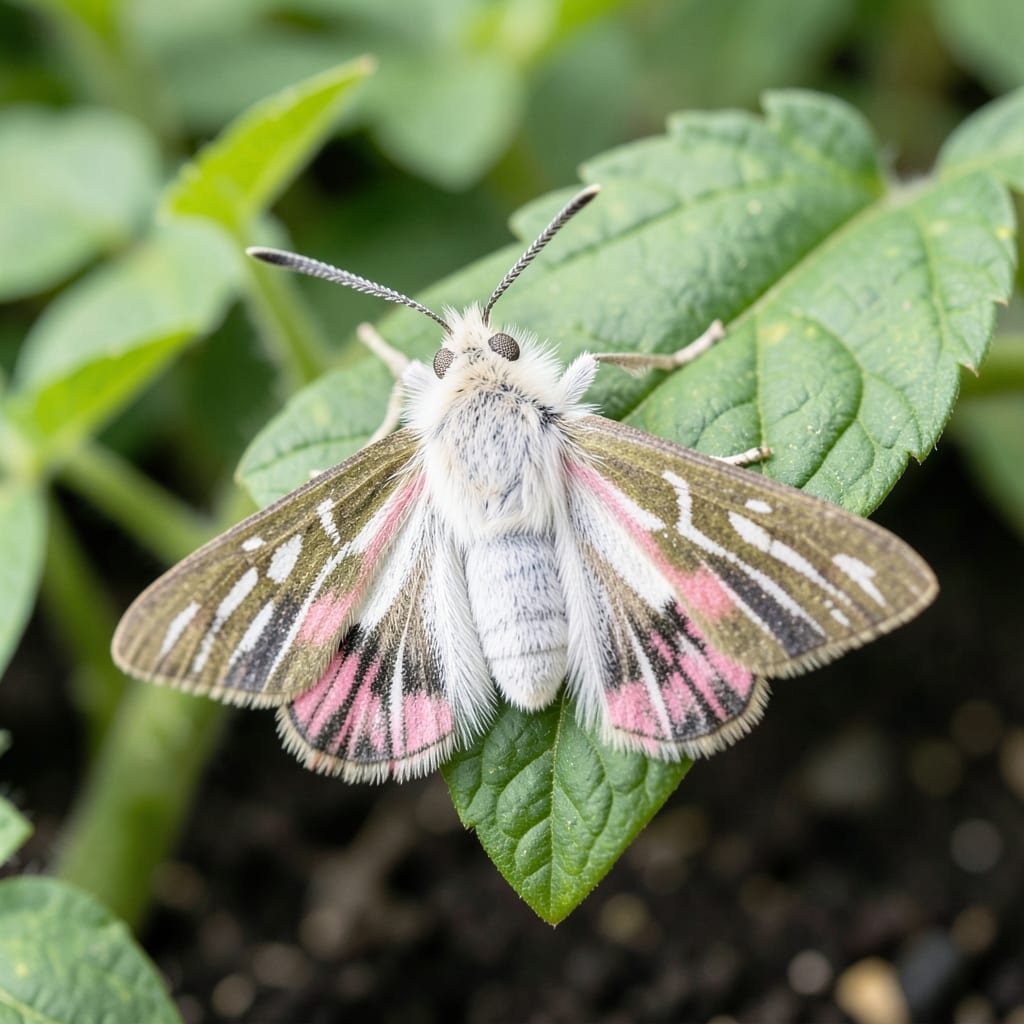
The white-lined sphinx moth plays a dual role as both pollinator and garden pest. Its caterpillars can defoliate plants, but adults aid pollination, making their impact context-dependent.
I’ve seen these moths in action—their adults are vital for night-blooming plants that rely on them for reproduction. Meanwhile, their caterpillars, known as hornworms, can strip a plant bare in days. This dual nature means they support ecosystems while sometimes frustrating gardeners. 💫
What fascinates me is their adaptability across different environments, from wild landscapes to backyard gardens. Their role shifts based on life stage and location.
💡 In This Article
Adult white-lined sphinx moths are master pollinators, especially for night-blooming plants like evening primrose and moonflowers. Their 2-3 inch wingspan allows them to hover like hummingbirds, accessing nectar deep in tubular flowers that other insects can’t reach. This process happens primarily after sunset, when these plants release their strongest fragrances to attract nocturnal visitors.
What’s fascinating is their long proboscis—up to 5 inches in length—which acts like a built-in straw to extract nectar from flowers with long corollas. This specialized adaptation makes them crucial for plant species that have co-evolved with long-tongued pollinators. Their pollination work supports biodiversity by helping these plants reproduce and maintain genetic diversity. 🌟
Beyond pollination, they serve as an important food source. Bats, birds, and other predators rely on both the adult moths and their caterpillars as a protein-rich meal. This places them squarely in the middle of the food chain, transferring energy from plants to higher trophic levels.
Their presence often indicates a healthy ecosystem with balanced predator-prey relationships.
In agricultural settings, they contribute to crop pollination for certain night-blooming varieties. Studies show they can visit dozens of flowers in a single night, transferring pollen over distances up to 1 mile. This mobility helps maintain genetic flow between plant populations that might otherwise become isolated. ✨
Their ecological role extends to soil health too. The caterpillars’ frass (waste) returns nutrients to the soil, while their feeding habits can stimulate new plant growth through a process called compensatory regrowth. This creates a complex but beneficial cycle in wild ecosystems.
Yes! Adults pollinate night-blooming plants like evening primrose with their 5 inch proboscis. Their work supports biodiversity by aiding reproduction in flowers other insects can’t reach.
Hornworms can eat 4x their body weight daily, creating large holes in leaves. They target tomatoes, peppers and other nightshades, often stripping plants bare within days.
Try companion planting with basil or marigolds to deter adults. Hand-pick caterpillars or use Bt spray on young larvae. Avoid chemicals that harm pollinators.
No, they’re completely harmless to people. They don’t bite, sting, or spread diseases. Their caterpillars might look intimidating but are safe to handle.