
Beautiful Plants For Your Interior
Beautiful Plants For Your Interior
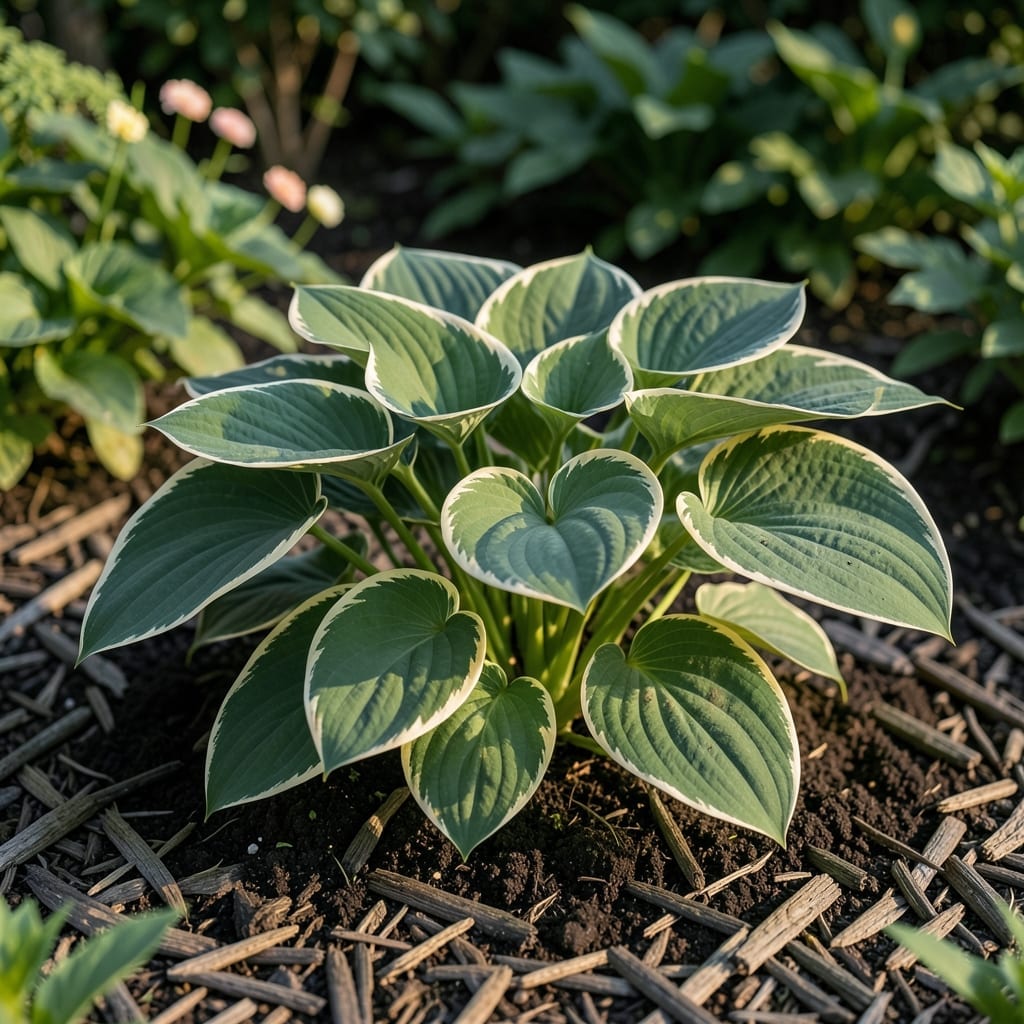
Hostas thrive as perennials due to their underground rhizome system, which stores energy during dormancy. These thick, fleshy roots remain alive beneath the soil even when foliage dies back in winter, allowing the plant to regrow from the same base each spring.
This survival mechanism is common in temperate climates where temperatures drop below 32°F for extended periods. 🔥
Their lifecycle follows a predictable pattern: new shoots emerge in early spring, reach full maturity by summer, then gradually yellow and die back in fall. This cycle repeats for 10-15 years or more with proper care.
The key is the rhizome’s ability to conserve nutrients and water during dormant months, unlike annuals that complete their lifecycle in one season.
Climate plays a crucial role in this process. In USDA zones 3-9, hostas reliably return each year, but in warmer zones they may remain evergreen. The cold triggers dormancy, which is essential for long-term health. Without this rest period, the plants can become stressed and less vigorous over time. ⚡
What most gardeners notice is how hostas emerge stronger each year. The first spring growth often appears more robust than the previous year’s, as the rhizome system expands. This gradual growth explains why mature hosta clumps can reach 3-4 feet in width, creating lush ground covers in shaded areas.
For best results, plant hostas in well-draining soil with consistent moisture. The rhizomes need this environment to store adequate energy for winter survival and spring regrowth. Mulching with 2-3 inches of organic material helps protect the root system during temperature extremes. ✨
With proper care, hostas can thrive for 10-15 years or even longer. Their lifespan depends on growing conditions, but well-established clumps often outlive many other perennials in the garden.
No, they return from the same roots annually. Just cut back dead foliage in late fall or early spring to make way for new growth. This low-maintenance habit makes them garden favorites.
This is normal! They enter dormancy when temperatures drop below 32°F. The foliage dies back, but the underground rhizomes stay alive, ready to sprout again when warm weather returns.
Yes, most varieties thrive in USDA zones 3-9. In colder areas, apply a 2-3 inch mulch layer after the ground freezes to protect the root system from freeze-thaw cycles.