
Beautiful Plants For Your Interior
Beautiful Plants For Your Interior
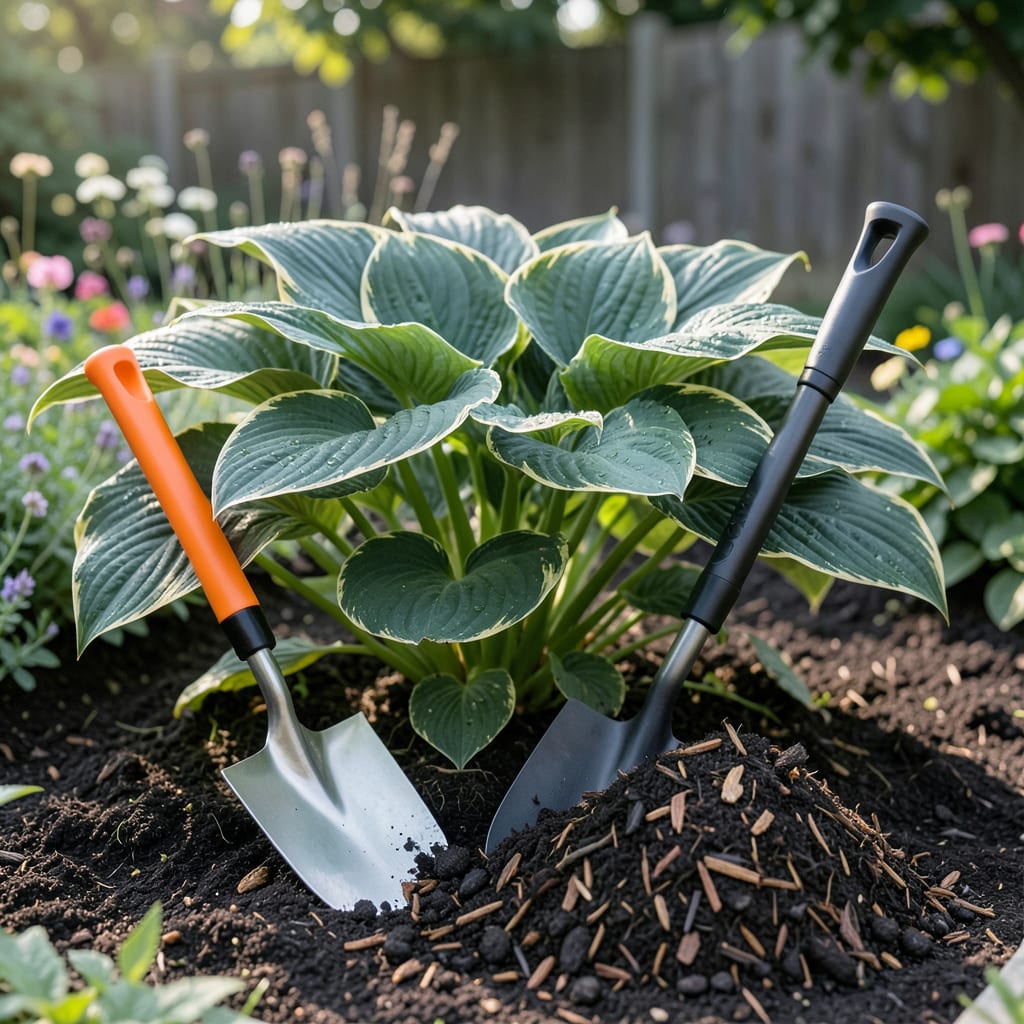
Timing can make or break your 🌿 hosta garden in Ohio. Plant them too early, and a late frost might wipe out your efforts. Wait too long, and you’ll miss their lush summer display.
After years of testing what works best in zones 6a-6b, I’ve found the sweet spot for planting these shade-loving beauties. Let’s cut through the guesswork so you can enjoy vibrant foliage with minimal stress.
Ohio’s unpredictable climate makes timing everything when planting hostas. The ideal window is early spring (April–May), after the last frost (typically April 15–May 10), or early fall (September–October) for established roots before winter.
Northern Ohio gardeners should lean toward late April–May due to cooler soil temps, while southern Ohio can start 2–3 weeks earlier. Soil temperature above 50°F is critical for root development. Let’s break it down by region and season.
| Season | Best Months | Soil Temp | Pros | Cons |
|---|---|---|---|---|
| Early Spring | April–May | 50°F+ | Full season for root establishment | Risk of late frost in north |
| Early Fall | September–October | 55°F+ | Cooler temps reduce stress | Limited time before first frost |
For bare-root hostas, spring planting is ideal—it gives them a full growing season to establish. If you’re planting potted hostas, fall can work too, but avoid late October plantings in northern Ohio.
Microclimates matter: Hostas in shady spots can go in earlier, while sun-exposed areas need extra mulch to protect roots. Ohio’s clay-heavy soil drains poorly, so amend with compost or pine bark fines before planting.
In southern Ohio (Zone 6b), you can push planting to late March if soil is workable. But in northern Ohio (Zone 5–6a), wait until mid-April to avoid frost damage. Always check your local frost dates!
If you miss the spring window, early fall is your backup. Plant at least 4–6 weeks before the first frost (around October 10–25) to allow roots to settle. Mulch heavily with shredded leaves for winter protection.
Pro tip: Water deeply after planting—1 inch per week—and keep soil moist but not soggy. Ohio’s rainy springs can help, but drought stress in summer requires consistent watering. Use a soaker hose to avoid wetting foliage, which invites slugs.
For best results, pair hostas with companion plants like ferns or astilbes to create a low-maintenance shade garden. Avoid planting near aggressive spreaders like mint, which can crowd out your hostas over time.
Remember, slugs love hostas in Ohio’s humid summers. Apply organic slug bait or set up beer traps early. A thin layer of coffee grounds around plants can also deter pests while adding nitrogen to the soil.
By following these Ohio-specific tips, your hostas will reward you with lush, vibrant foliage all season long. Ready to dig in? Grab your trowel and get planting! 🪴
Planting hostas in Ohio isn’t just about timing—it’s about preparing the right conditions for long-term success. I’ve learned the hard way that Ohio’s clay-heavy soil and humid summers demand extra attention. Let’s walk through the key steps to ensure your hostas thrive.
Start with site selection. Hostas need partial to full shade, especially in Ohio’s hot summers. A north-facing bed or spot under dappled tree shade works best. Avoid areas with afternoon sun, which can scorch leaves. Morning sun (before 10 AM) is ideal for vibrant foliage.
Hostas hate soggy roots, but Ohio’s clay soil traps moisture. Amend your soil with compost (2–3 inches) and pine bark fines to improve drainage. Test drainage by digging a 12-inch hole, filling it with water, and checking if it drains within an hour.
When planting, dig a hole twice as wide as the root ball but no deeper. Place the hosta so the crown sits slightly above soil level—this prevents rot. Space plants 18–36 inches apart, depending on variety size. For bare-root hostas, soak roots in water for 30 minutes before planting.
After planting, water deeply—aim for 1 inch of water to settle the soil. Apply a 2–3 inch layer of mulch (shredded leaves or bark) to retain moisture and suppress weeds. In Ohio, slugs are a major threat, so consider a thin layer of coffee grounds around plants as a natural deterrent.
For post-planting care, keep soil consistently moist but not soggy. Ohio’s rainy springs may reduce watering needs, but summer droughts require supplemental watering. Use a soaker hose to deliver water directly to roots and avoid wetting foliage, which can invite fungal diseases like anthracnose.
Finally, fertilize lightly in early spring with a balanced 10-10-10 fertilizer. Avoid high-nitrogen mixes, which can attract slugs. In fall, apply a slow-release fertilizer to strengthen roots before winter. With these steps, your hostas will reward you with lush, vibrant foliage year after year. Happy planting! 🌿
Not all hostas are created equal—especially in Ohio’s humid summers and clay-heavy soil. After testing dozens of varieties, I’ve narrowed down the best performers for our state’s unique conditions. These picks resist slug damage, tolerate heat, and thrive in partial shade.
For northern Ohio gardeners (Zones 5–6a), focus on cold-hardy varieties like ‘Halcyon’ or ‘Blue Angel.’ Southern Ohio (Zone 6b) can experiment with heat-tolerant options like ‘Francee’ or ‘Guacamole.’ Let’s dive into the top choices and their standout features.
For small spaces, try ‘Mouse Ears’—its miniature size (6–8 inches tall) and thick leaves make it perfect for container gardens. Pair it with ferns or heucheras for a textured display. In larger beds, ‘Empress Wu’ (a giant variety) creates a dramatic focal point with its 4-foot spread.
Ohio’s humidity can invite fungal issues, so opt for disease-resistant varieties like ‘Liberty’ or ‘Patriot.’ Their thick leaves also deter slugs. For color contrast, mix ‘Golden Tiara’ (chartreuse) with ‘June’ (blue-green with gold centers). Always space plants 18–36 inches apart to improve airflow.
To extend your hosta’s lifespan, divide clumps every 3–4 years in early spring. Use a sharp spade to separate roots, and replant divisions immediately. Mulch with shredded leaves in fall to protect roots from Ohio’s freeze-thaw cycles. With the right varieties and care, your hostas will flourish for decades! 🌱
Early spring (April–May) is ideal for most Ohio gardeners, giving hostas a full growing season. However, early fall (September–October) works too if you plant at least 4–6 weeks before the first frost. Spring offers more time for roots to establish before summer heat.
Use a soil thermometer to check temperatures at 4–6 inches deep. Hostas thrive when soil reaches 50°F or higher. In northern Ohio, this typically happens in late April, while southern Ohio may warm up by mid-March.
Ignoring Ohio’s clay-heavy soil is a common pitfall. Without amending with compost or pine bark, water pools around roots, causing rot. Another mistake? Planting too late in fall—hostas need time to establish before winter. Always check your local frost dates!
Use a large pot (12+ inches) with drainage holes and a well-draining potting mix. Container hostas dry out faster, so water every 3–5 days in summer. Move pots to a shaded spot during heatwaves to prevent scorching. Winter protection is key—bury pots or move to a sheltered area.
Start with slug-resistant varieties like ‘Halcyon’ or ‘Liberty.’ Apply a thin layer of coffee grounds around plants—it deters slugs and adds nitrogen. Set up beer traps or use organic slug bait in early spring. Mulching with shredded leaves also helps by creating a dry barrier.
