
Beautiful Plants For Your Interior
Beautiful Plants For Your Interior
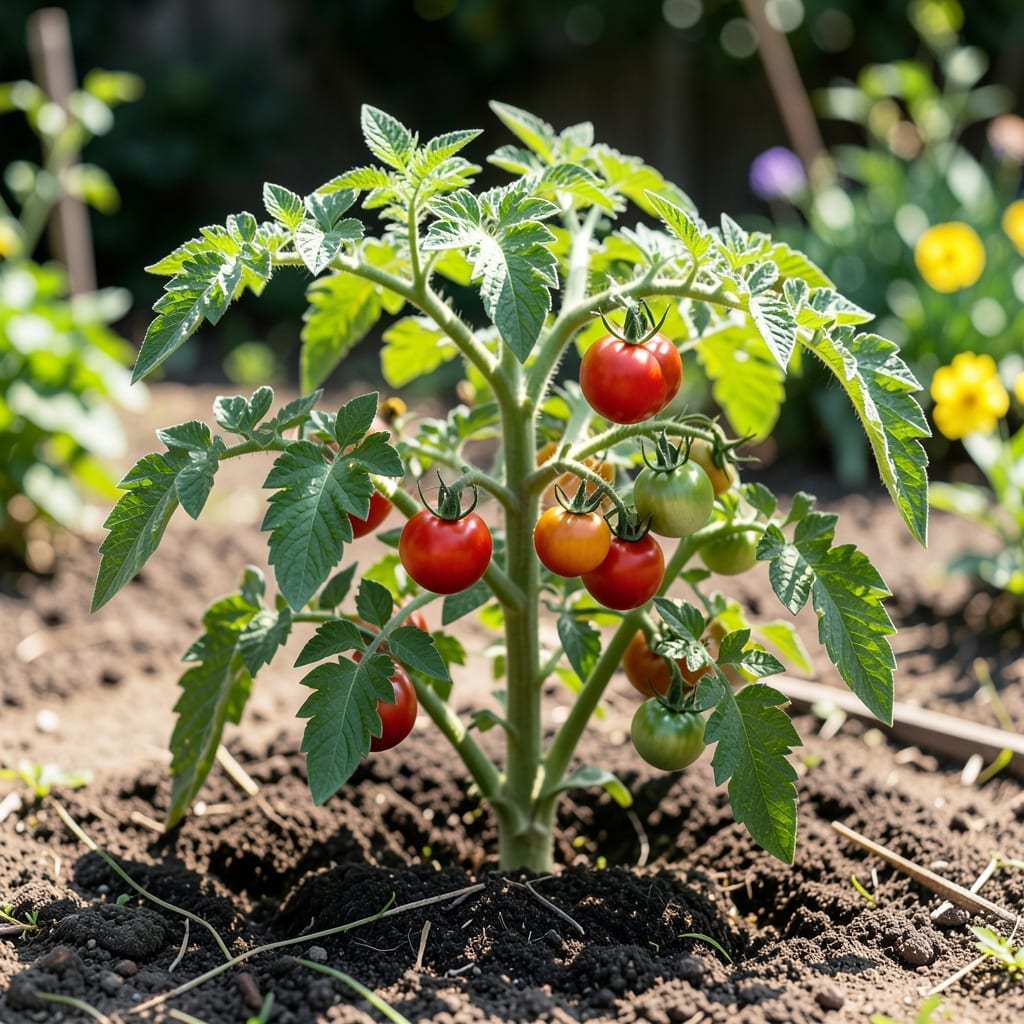
Green tomatoes are simply unripe versions of standard red varieties, but some heirloom types stay green when fully mature. Most will turn red as they ripen on or off the vine.
What’s fascinating is that the color change happens as chlorophyll breaks down and lycopene develops during ripening. 🔥 Varieties like ‘Green Zebra‘ or ‘Aunt Ruby’s German Green’ are bred to stay green even when ripe, offering a unique tangy flavor. I’ve found that ripening them indoors with ethene-producing fruits can speed up the process significantly.
💡 In This Article
The color transformation from green to red happens as chlorophyll breaks down and lycopene develops. Chlorophyll, the green pigment, degrades as the fruit matures, while lycopene, the red pigment, accumulates. This process is triggered by the plant hormone ethylene, which signals the start of ripening.
The shift typically takes 7-14 days on the vine or 2-4 weeks indoors. ✨
Standard red varieties like ‘Beefsteak’ or ‘Roma’ follow this pattern reliably. However, heirloom types such as ‘Green Zebra’ or ‘Aunt Ruby’s German Green’ are genetically programmed to retain their green hue. These varieties produce different pigments, like chlorogenic acid, which maintain the green color even at peak ripeness.
Their flavor profile leans tangy and slightly sweeter than unripe red tomatoes. 🔥
Ethylene gas plays a critical role in this transition. When exposed to ethylene—naturally produced by fruits like apples or bananas—the ripening process accelerates. This is why placing green tomatoes in a paper bag with an apple can speed up color change.
The gas concentration needs to be just right: too little slows ripening, while too much can cause uneven softening. 💫
The texture also evolves during ripening. Unripe tomatoes are firm and crisp due to high pectin content, which breaks down into softer, juicier flesh as the fruit matures. This pectin breakdown is another ethylene-driven process, making the tomato more palatable.
The sugar content increases from about 2-3% in green tomatoes to 4-5% in ripe ones, enhancing sweetness. ⚡
For green-when-ripe varieties, the absence of lycopene means they lack the antioxidant properties found in red tomatoes. Instead, they contain higher levels of vitamin C and other compounds. This makes them a unique addition to dishes where you want a firmer texture and a slightly tart flavor, such as in salsas or pickling recipes. 🌟
Most standard varieties will turn red as they ripen, but some heirloom types like Green Zebra stay green when fully mature. Always check the seed packet or plant tag for variety specifics.
Unripe tomatoes feel firm and show no color change. Green-when-ripe varieties develop a slight yellow tint or stripes when ready. Taste is the best test—ripe ones are sweeter and less acidic.
These varieties are bred to retain chlorophyll and lack lycopene. They develop other pigments that maintain the green color. Their flavor is often tangier than traditional red tomatoes.
Place them in a paper bag with a ripe banana or apple at 70°F. The ethylene gas from the fruit will speed up ripening, typically within 1-2 weeks.