
Beautiful Plants For Your Interior
Beautiful Plants For Your Interior
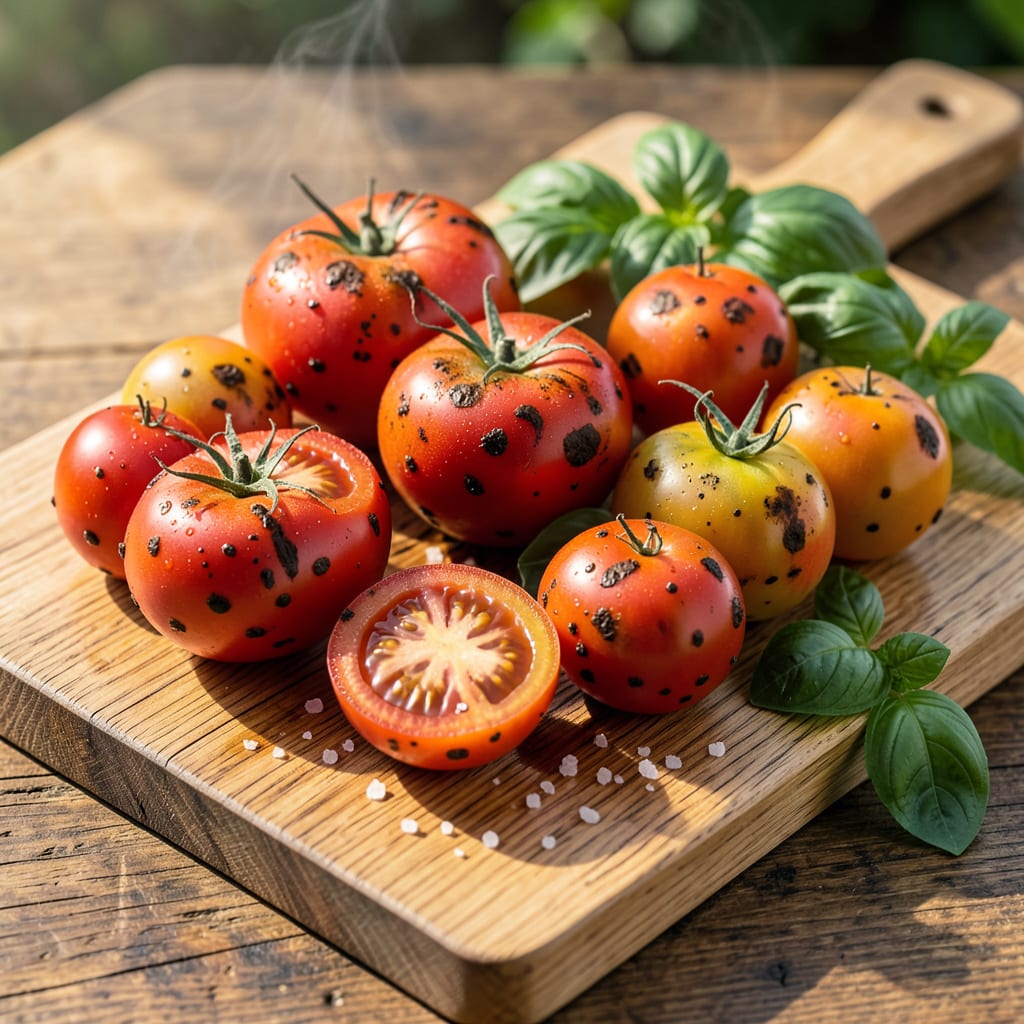
Your tomatoes look healthy one day, then dark spots appear without warning. I’ve been there—staring at leaves and fruit, trying to figure out if it’s disease, pests, or just the weather throwing a curveball.
The good news? Most causes are fixable once you know what you’re dealing with. I learned the hard way that early morning watering and proper spacing prevent half the problems before they start.
We’ll walk through the most common culprits, from fungal infections to nutrient deficiencies. You’ll spot the difference between early blight and sun scald in minutes, not weeks.
Natural solutions work surprisingly well—copper sprays, neem oil, and even baking soda can save your crop. Let’s get your plants back on track.
Tomatoes are a staple in many gardens, but dark spots can quickly mar their appearance—and sometimes their flavor. These blemishes aren’t random; they’re often the result of specific environmental, nutritional, or pathological triggers. Understanding the root cause is the first step to keeping your plants healthy and productive.
This common issue causes dark, sunken spots at the blossom end (bottom) of the fruit. It’s triggered by a calcium deficiency, often due to inconsistent watering or soil imbalances. Even if your soil has enough calcium, drought stress or overwatering can prevent the plant from absorbing it effectively.
Fungi like Alternaria or Early Blight create dark, concentric rings on leaves and fruits. These thrive in humid, wet conditions, especially when plants lack proper airflow. Spores spread via water splash or wind, so crowded plantings or overhead watering can accelerate the problem.
Uneven watering—either too much or too little—can cause dark, leathery patches on tomato skins. This is often mistaken for disease but is purely physiological. Fluctuating soil moisture disrupts cell development, leading to scarring or cracking that darkens over time.
Insects like stink bugs or tomato fruitworms pierce the skin, creating small, dark entry points that may expand into larger spots. These wounds can also invite secondary infections, worsening the discoloration.
Addressing dark spots on tomatoes starts with identifying the root cause. Below are targeted solutions for each common issue, along with prevention tips to keep your plants thriving.
Fix: Remove affected leaves or fruits immediately to prevent spreading. Apply a copper-based fungicide or a homemade spray (1 tsp baking soda + 1 quart water + a few drops of dish soap). Spray every 7–10 days until the issue resolves.
Prevention: Improve airflow by pruning dense foliage. Water at the base of the plant (avoid wetting leaves) and use mulch to reduce soil splashing onto leaves.
Fix: Handpick pests like aphids or hornworms, or spray with neem oil or insecticidal soap. For severe infestations, introduce beneficial insects like ladybugs.
Prevention: Inspect plants regularly, especially the undersides of leaves. Rotate crops yearly to disrupt pest life cycles.
Fix: For blossom end rot (dark, sunken spots), add calcium-rich amendments like crushed eggshells or lime to the soil. For sunscald (white/yellow patches turning dark), provide shade cloth during peak afternoon sun.
Prevention: Maintain consistent soil moisture (avoid droughts or overwatering) and mulch to retain moisture. Ensure tomatoes get 6–8 hours of sunlight daily without excessive heat.
Fix: Test soil and amend with the missing nutrient. For magnesium deficiency (yellowing between veins), use Epsom salt (1 tbsp per gallon of water) as a foliar spray. For potassium, add wood ash or compost.
Prevention: Enrich soil with balanced, organic fertilizer before planting. Side-dress with compost mid-season for a nutrient boost.
💡 Pro Tip: Always sanitize gardening tools and remove plant debris at the end of the season to prevent next year’s problems!
Most dark spots are harmless, but it depends on the cause. Fungal spots should be cut away, while blossom end rot is safe to trim off. Always wash tomatoes thoroughly before consuming.
Ensure consistent watering, improve airflow between plants, and use mulch to reduce soil splashing. Add calcium to soil for blossom end rot prevention.
Yes, with proper care! Remove damaged foliage, treat with natural sprays, and adjust watering. Most plants bounce back within 2-3 weeks of corrective action.
If the blemishes are minor, harvest immediately and use quickly. For severe cases, compost the fruit to prevent spreading to healthy plants.
