
Beautiful Plants For Your Interior
Beautiful Plants For Your Interior
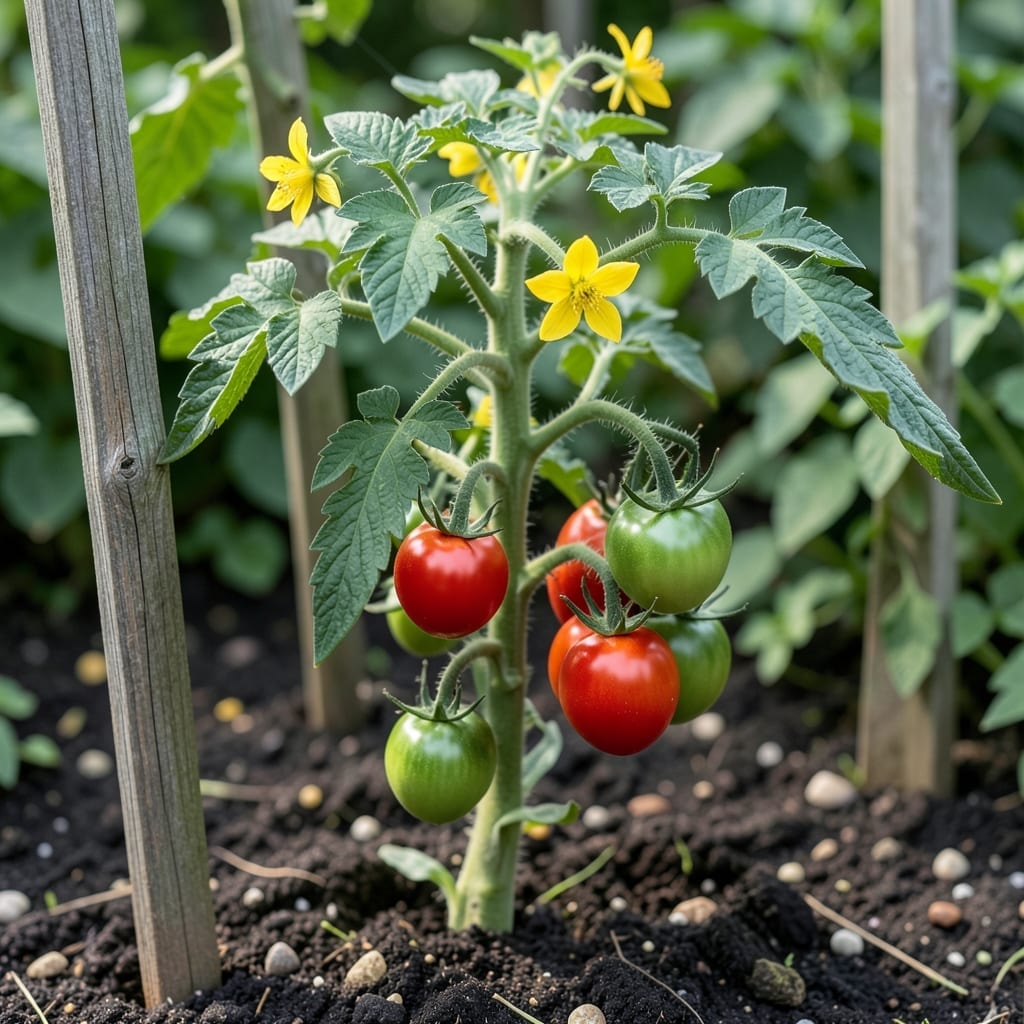
Green tomatoes can be unripe red tomatoes, but they can also be distinct varieties bred to stay green when mature. Some ripen to yellow, orange, or even purple.
What often surprises gardeners is that some heirloom varieties like Green Zebra or Aunt Ruby’s German Green are meant to stay green. I’ve seen these hold their color even at full maturity, offering a unique tangy flavor perfect for frying or pickling. The key is checking the seed packet or plant tag to know if you’re dealing with an unripe fruit or a naturally green variety. ✨
💡 In This Article
The color change in tomatoes happens due to chlorophyll breakdown and carotenoid development during ripening. Standard red tomatoes produce lycopene as they mature, turning from green to red. But some heirloom varieties carry a genetic mutation that suppresses this pigment shift, allowing them to stay green when fully ripe.
The ripening process is triggered by ethylene gas, a natural plant hormone. In traditional red tomatoes, ethylene signals the fruit to convert chlorophyll to lycopene over 7-14 days. However, in naturally green varieties like Green Zebra or Cherokee Green, this conversion is incomplete or absent.
The fruit remains green while still developing its full sugar content and size. 🌟
What’s fascinating is that these green-when-ripe varieties often develop other visual cues to indicate maturity. You might notice a slight yellowish tint at the blossom end or a glossier skin. Some even develop faint stripes or marbling patterns that become more pronounced as they ripen. This is nature’s way of signaling they’re ready for harvest.
Ethylene sensitivity varies between varieties too. Standard red tomatoes respond strongly to ethylene exposure, which is why placing them in a paper bag with a banana (a high ethylene producer) speeds up ripening. Naturally green varieties may require 2-3 weeks longer to reach full maturity, as their ethylene response is often more subdued. ✨
This genetic diversity isn’t just about color—it affects flavor profiles too. Green-when-ripe varieties often maintain higher acidity levels, giving them that distinctive tangy taste that works so well in fried green tomato recipes. The sugar-to-acid ratio in these varieties can be 1:1.2 compared to 1:0.8 in fully ripe red tomatoes.
Understanding these botanical differences helps explain why some green tomatoes will eventually turn red, while others will stay green forever. It all comes down to their genetic programming and how they’ve been selectively bred over generations. 💫
Check the stem end for a yellow blush, which indicates maturity in green varieties. Unripe red tomatoes stay uniformly green. Naturally green types like Green Zebra may show faint stripes when ready.
Yes! Place them stem-side down in a paper bag with a banana or apple. The ethylene gas will speed up ripening over 7-14 days. Keep them at room temperature, away from direct sunlight.
Certain heirloom varieties have a genetic mutation that prevents chlorophyll breakdown. Instead of turning red, they maintain their green color while fully developing flavor and sugar content.
Unripe red tomatoes can be bitter and tough raw. Naturally green varieties like Aunt Ruby’s German Green are safe and delicious raw when fully ripe. Always taste-test a small piece first.