
Beautiful Plants For Your Interior
Beautiful Plants For Your Interior
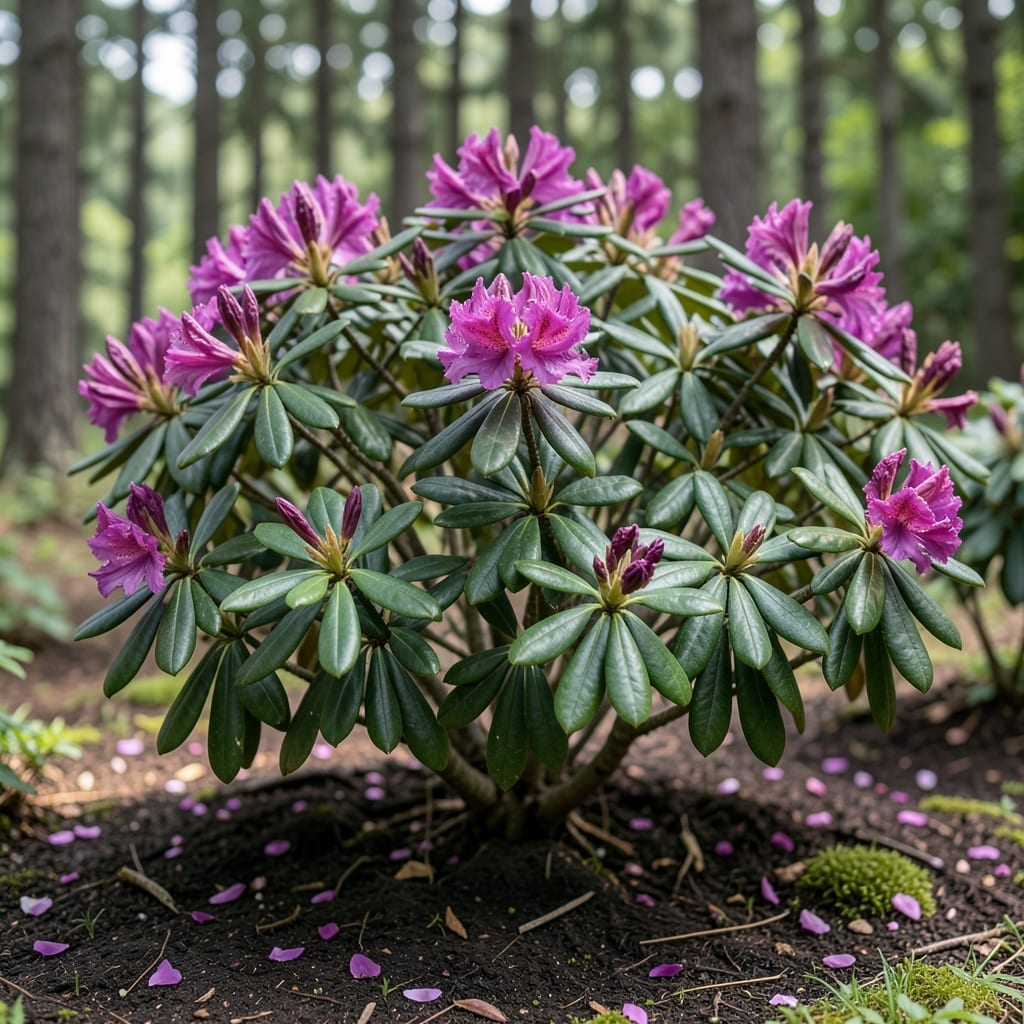
Many evergreens thrive in acidic soil, particularly species like azaleas, rhododendrons, and pine trees, as it enhances nutrient uptake and supports their natural growth conditions.
I’ve noticed these plants often struggle in neutral or alkaline conditions because their roots can’t access iron and other micronutrients effectively. 🌟 In my experience, adding pine needles or elemental sulfur can work wonders for adjusting soil pH. This creates the perfect environment for evergreens to develop their vibrant foliage and strong root systems.
💡 In This Article
The magic happens at the root level. Evergreens evolved in forest environments where decaying organic matter creates naturally acidic soil (pH 4.5-6.0). Their roots developed specialized mechanisms to absorb iron, manganese, and aluminum—nutrients that become soluble only in acidic conditions.
Without this environment, these essential elements remain locked in the soil, leading to yellowing leaves and stunted growth. 🔥
Take the blue spruce or eastern white pine—both show dramatic improvement when soil pH drops below 6.5. The needle-like foliage of these species contains high concentrations of terpenes, which require iron for production. In alkaline soil, iron oxidizes into insoluble forms, making it unavailable to the plant.
This is why you’ll often see iron chlorosis (yellow needles with green veins) in evergreens planted in limestone-rich areas. ✨
What’s fascinating is how these plants have adapted to create their own acidic microenvironments. Pine trees, for example, drop needles that slowly decompose and release organic acids. This natural mulch can lower soil pH by 0.5-1.0 units over time.
Similarly, rhododendrons and azaleas have shallow root systems that only thrive in the top 6-12 inches of acidic, well-drained soil. 💫
The pH scale works logarithmically—each whole number represents a tenfold change in acidity. So soil at pH 5.0 is ten times more acidic than pH 6.0. This explains why small pH adjustments can have dramatic effects.
Evergreens like hemlock or yew often show visible improvement within weeks of soil acidification, with darker green foliage and increased new growth. 🌟
Even the mycorrhizal fungi that form symbiotic relationships with evergreen roots prefer acidic conditions. These beneficial fungi help extend the root system and improve nutrient absorption, but they struggle to establish in alkaline soils.
This is why transplanting evergreens from nursery containers (which typically use acidic potting mix) to alkaline garden soil often leads to shock and poor establishment. ⚡
Azaleas, rhododendrons, and blue spruce are the most dependent on acidic soil. They show visible decline in neutral or alkaline conditions, often developing yellow foliage due to iron deficiency.
Look for yellowing leaves with green veins (iron chlorosis) or stunted growth. A soil test is most reliable—pH above 6.5 usually indicates alkalinity. Pine needles dropping prematurely can also signal pH issues.
Elemental sulfur works quickest. Apply 1-2 pounds per 100 square feet and water in thoroughly. For immediate but temporary relief, use chelated iron products, which provide accessible iron in alkaline soil.
While vinegar can temporarily lower pH, it’s not recommended for long-term soil amendment. It can harm beneficial soil microbes and roots. Stick with sulfur or organic amendments like peat moss for lasting results.