
Beautiful Plants For Your Interior
Beautiful Plants For Your Interior
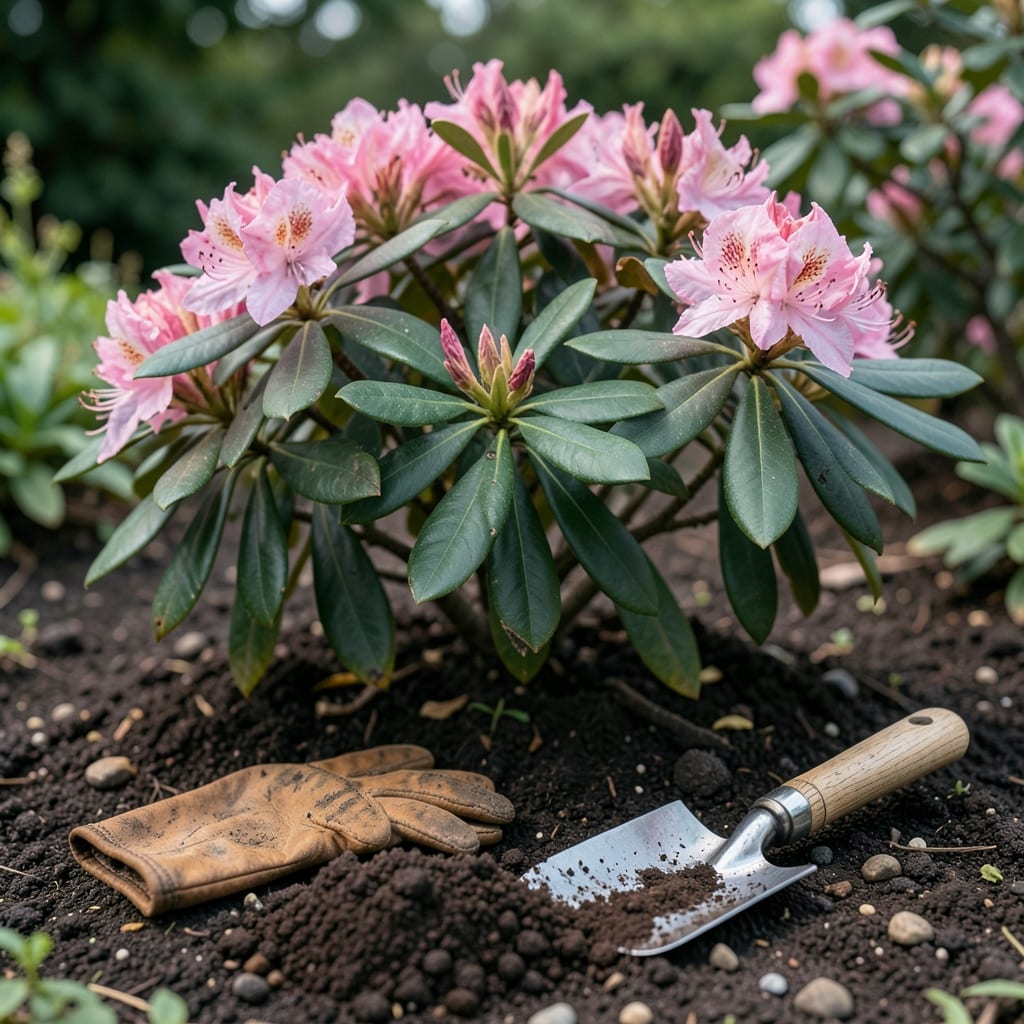
Yes, coffee grounds can benefit rhododendrons as a natural, nitrogen-rich fertilizer that acidifies soil slightly, but use them sparingly and compost first to prevent mold or compaction.
I’ve seen firsthand how rhododendrons thrive in slightly acidic conditions, and coffee grounds naturally lower soil pH as they decompose. 🌟 The nitrogen boost supports lush foliage, but fresh grounds can clump and block moisture if not composted first. For best results, mix them into the top 2-3 inches of soil monthly during growing season.
💡 In This Article
Rhododendrons flourish in acidic soil with a pH between 4.5-5.5, and coffee grounds naturally release organic acids as they decompose. This gradual acidification creates the ideal environment for these shallow-rooted shrubs to absorb iron and other micronutrients they can’t access in neutral or alkaline conditions.
The process is driven by soil microbes that break down the grounds over 2-4 weeks. 🌟
Coffee grounds contain about 2% nitrogen by volume, making them a mild organic fertilizer. As microbes process the grounds, they convert this nitrogen into ammonium, then into nitrates that rhododendron roots can absorb. This slow-release mechanism prevents the nitrogen burn that can occur with synthetic fertilizers while promoting steady, healthy growth.
The organic matter in coffee grounds also improves soil structure by increasing its ability to retain moisture and nutrients. For clay-heavy soils, this means better drainage, while sandy soils benefit from improved water retention. This dual action explains why gardeners often see improved root development within 4-6 weeks of regular application.
What most don’t realize is that fresh coffee grounds contain allelopathic compounds that can temporarily inhibit plant growth. This is why composting them first is crucial – the aging process neutralizes these compounds while allowing beneficial microbes to multiply. The resulting composted material becomes a powerhouse of plant-available nutrients and helpful microorganisms.
In my experience, the best results come from using grounds from black coffee rather than flavored varieties. The added sugars and artificial flavorings in some specialty coffees can attract pests or create imbalances in the soil microbiome. Stick to plain grounds and you’ll see your rhododendrons respond with darker green leaves and more abundant blooms.
✨
Apply composted coffee grounds once every 4-6 weeks during growing season. This prevents over-acidification and nitrogen buildup. Always water thoroughly after application.
No, fresh grounds can clump and block moisture. They also contain compounds that may temporarily inhibit plant growth. Always compost them for 2-3 months first.
Sprinkle no more than 1/4 inch of composted grounds around the base, keeping them 2-3 inches away from the stem. For potted plants, mix 1 part grounds with 3 parts soil.
Watch for yellowing leaves or stunted growth. These indicate excessive nitrogen or soil acidity. If you see these signs, stop applications and test your soil pH.