
Beautiful Plants For Your Interior
Beautiful Plants For Your Interior
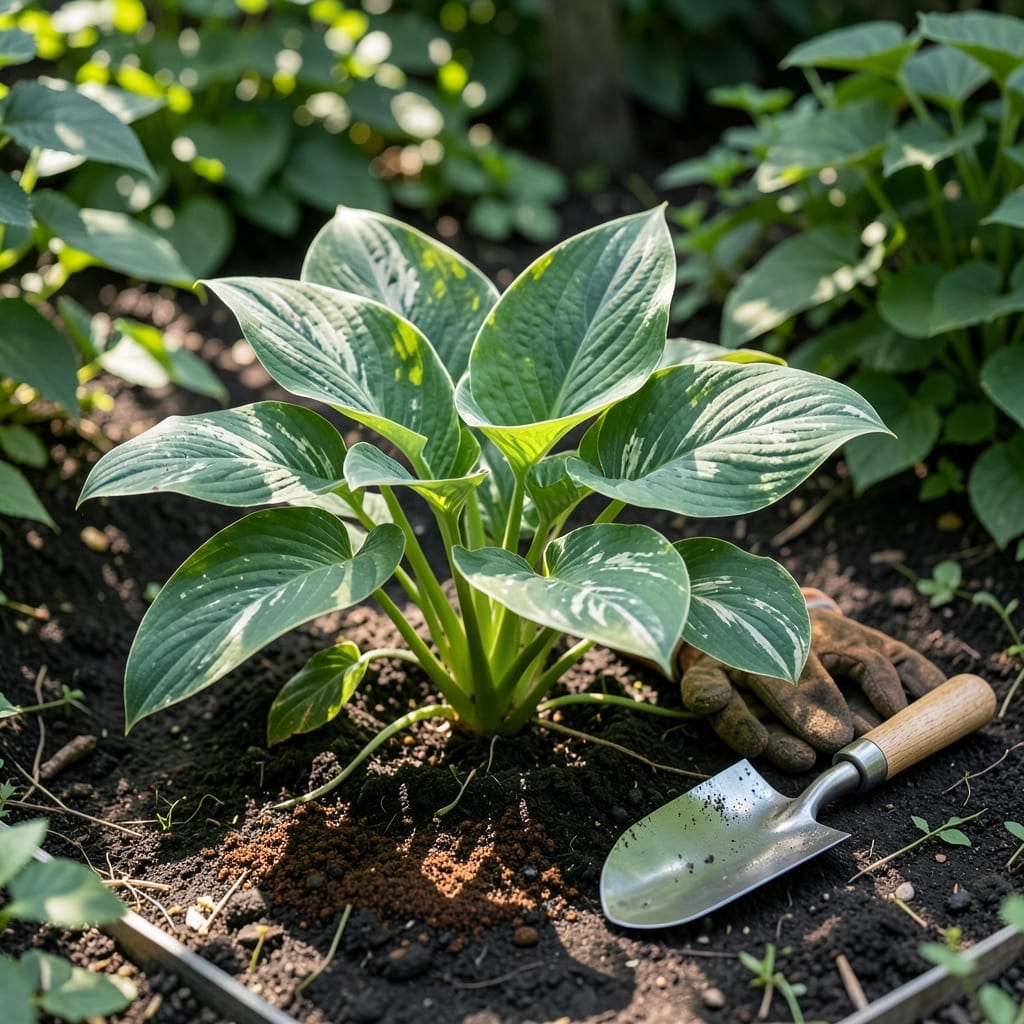
Yes, coffee grounds are beneficial for hostas as they add organic matter, improve soil structure, and provide a slow-release nitrogen source, which these shade-loving plants thrive on.
I’ve seen hostas flourish when coffee grounds are worked into the soil, as they naturally break down to enrich the earth. 🌟 The slow nitrogen release feeds these plants over time, while the organic material helps retain moisture. Just remember, moderation is key—too much can alter soil pH more than these perennials prefer.
💡 In This Article
Coffee grounds decompose through microbial action, releasing nitrogen, phosphorus, and trace minerals. The nitrogen content is particularly valuable at about 2% by volume, which slowly feeds hostas without the risk of burning that synthetic fertilizers can cause. This gradual release supports steady, healthy foliage development. 🔥
The organic acids in coffee grounds—like chlorogenic and caffeic acid—temporarily lower soil pH, creating a mildly acidic environment between 6.2-6.8. Hostas naturally prefer this range, as it enhances nutrient availability, particularly iron and manganese, which prevent yellowing leaves. The effect is gentle and short-lived, unlike chemical acidifiers.
As the grounds break down, they improve soil structure by increasing its ability to retain moisture and air. This is especially beneficial for hostas, which have shallow root systems that thrive in consistently moist, well-draining conditions. The grounds also attract earthworms, which further aerate the soil. ✨
What many gardeners overlook is that fresh coffee grounds are more acidic than used ones. Fresh grounds have a pH of about 5.2-6.9, while used grounds are closer to 6.8-7.0. This means used grounds are safer for regular use around hostas, as they won’t drastically alter the soil pH. 💫
Hostas in alkaline soils (pH above 7.5) often show signs of chlorosis, where leaves turn yellow with green veins. Coffee grounds can help correct this imbalance over time, but it’s important to test your soil first and apply grounds gradually.
A light sprinkling of 1/4 to 1/2 inch around the base of the plant every 2-4 weeks is ideal.
A light sprinkling of 1/4 to 1/2 inch every 2-4 weeks is ideal. This frequency prevents over-acidification while providing steady nutrients. Always water after applying to help the grounds settle.
Rinse fresh grounds first to remove excess oils and acids that might harm plants. Used grounds are safer, with a pH closer to 6.8-7.0. Fresh grounds can be too acidic for young or sensitive plants.
Yellowing leaves or stunted growth may indicate too much acidity. If you see these signs, reduce applications and test your soil pH. Hostas prefer a range between 6.2-6.8.
Properly mixed into soil, they rarely attract pests. However, a thick layer on the surface can draw fruit flies or mold. Always incorporate grounds into the top 1-2 inches of soil.