
Beautiful Plants For Your Interior
Beautiful Plants For Your Interior
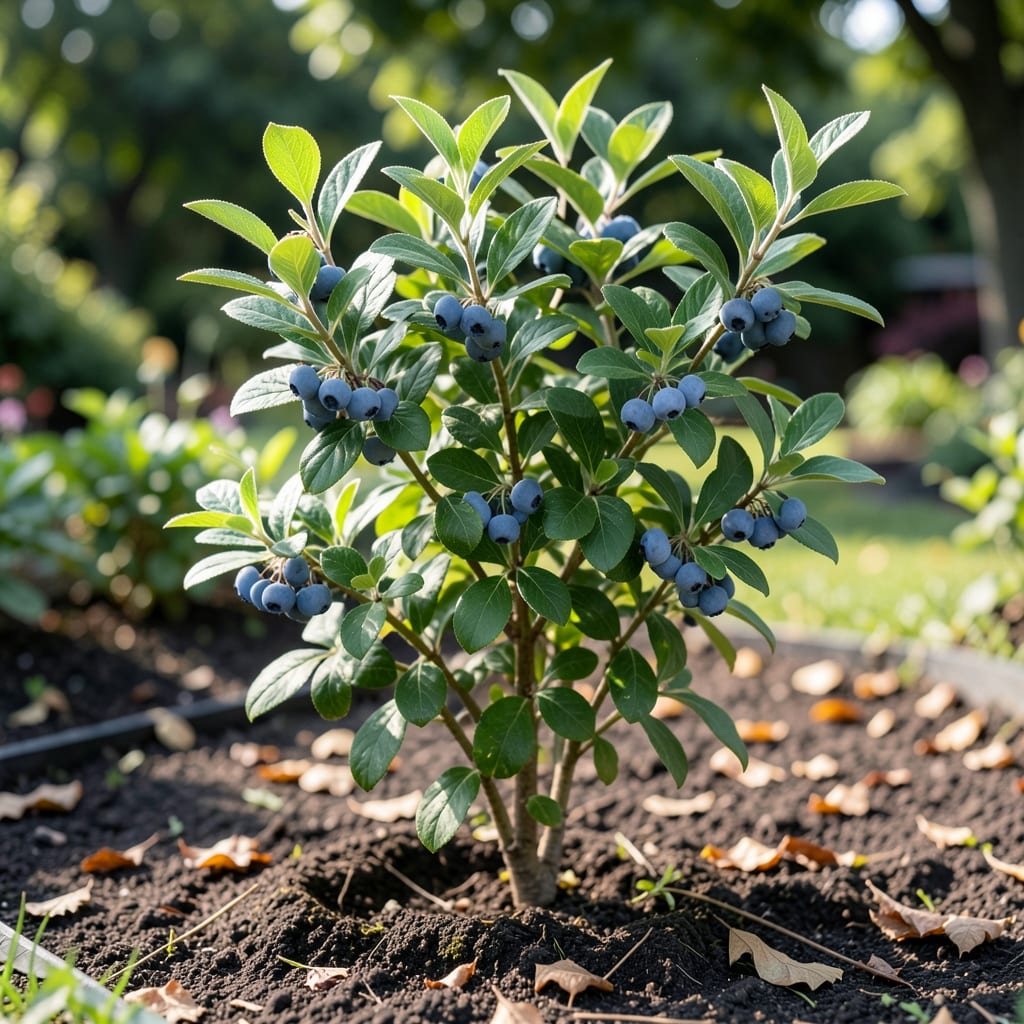
Yes, blueberries are very real. They are small, round, blue-purple fruits from the Vaccinium genus, widely cultivated and naturally occurring in many regions.
I’ve grown these Vaccinium fruits in my own garden, and their natural sweetness is unmistakable. They thrive in acidic soils and bloom from delicate white flowers each spring. 🔥
What’s fascinating is their widespread cultivation—from wild patches in North American forests to commercial farms producing tons annually. Their vibrant color comes from anthocyanins, powerful antioxidants that also give them their health benefits. ✨
💡 In This Article
Blueberries belong to the Vaccinium genus, part of the heather family Ericaceae. This classification groups them with cranberries and huckleberries, all sharing similar acidic soil preferences and woody shrub growth patterns. The most common cultivated species is Vaccinium corymbosum, known as the northern highbush blueberry, which thrives in USDA zones 4-7.
These plants develop through a fascinating process: white bell-shaped flowers appear in spring, then transform into green berries that gradually turn red, purple, and finally the characteristic deep blue as they ripen. The color change signals increasing sugar content, typically reaching 10-15% sugar at full maturity.
This natural progression takes 60-90 days from flowering to harvest.
The berries’ distinctive blue hue comes from anthocyanins, powerful antioxidants concentrated in the skin. These compounds are 25 times more abundant in blueberries than in bananas, giving them their superfood status. The waxy bloom on the skin acts as a natural protective coating, creating that slightly powdery texture we notice when handling fresh berries.
Wild blueberry plants can live for decades, with some documented shrubs producing fruit for over 50 years. Commercial varieties are typically propagated through cuttings rather than seeds to maintain consistent quality. The plants’ shallow root systems make them particularly sensitive to soil pH, requiring acidic conditions between 4.0-5.0 for optimal growth. 🔥
This botanical precision explains why blueberries taste different based on where they’re grown. Northern climates with cool nights produce berries with higher acidity, while southern regions yield sweeter varieties.
The plant’s ability to adapt to various conditions has allowed cultivation to spread from its native North America to Europe, South America, and even parts of Asia. ✨
Blueberries belong to the Vaccinium genus, unlike strawberries or raspberries. Their deep blue color comes from anthocyanins, antioxidants 25 times more concentrated than in bananas. This gives them unique health benefits.
Yes, use 12-16 inch pots with acidic soil (pH 4.0-5.5). Ensure good drainage and place in 6-8 hours of daily sunlight. Container-grown plants need consistent moisture.
With proper care, blueberry bushes can produce fruit for 20+ years. Wild varieties may live even longer, with some documented at 50+ years. Annual pruning extends their productive life.
The color shift from green to red to blue signals increasing sugar content. This natural process takes 60-90 days from flowering. The final deep blue indicates peak sweetness and ripeness.
They require acidic soil (pH 4.0-5.0) to thrive. Amend garden beds with peat moss or pine bark. Alkaline soils will stunt growth and reduce fruit quality.