
Beautiful Plants For Your Interior
Beautiful Plants For Your Interior
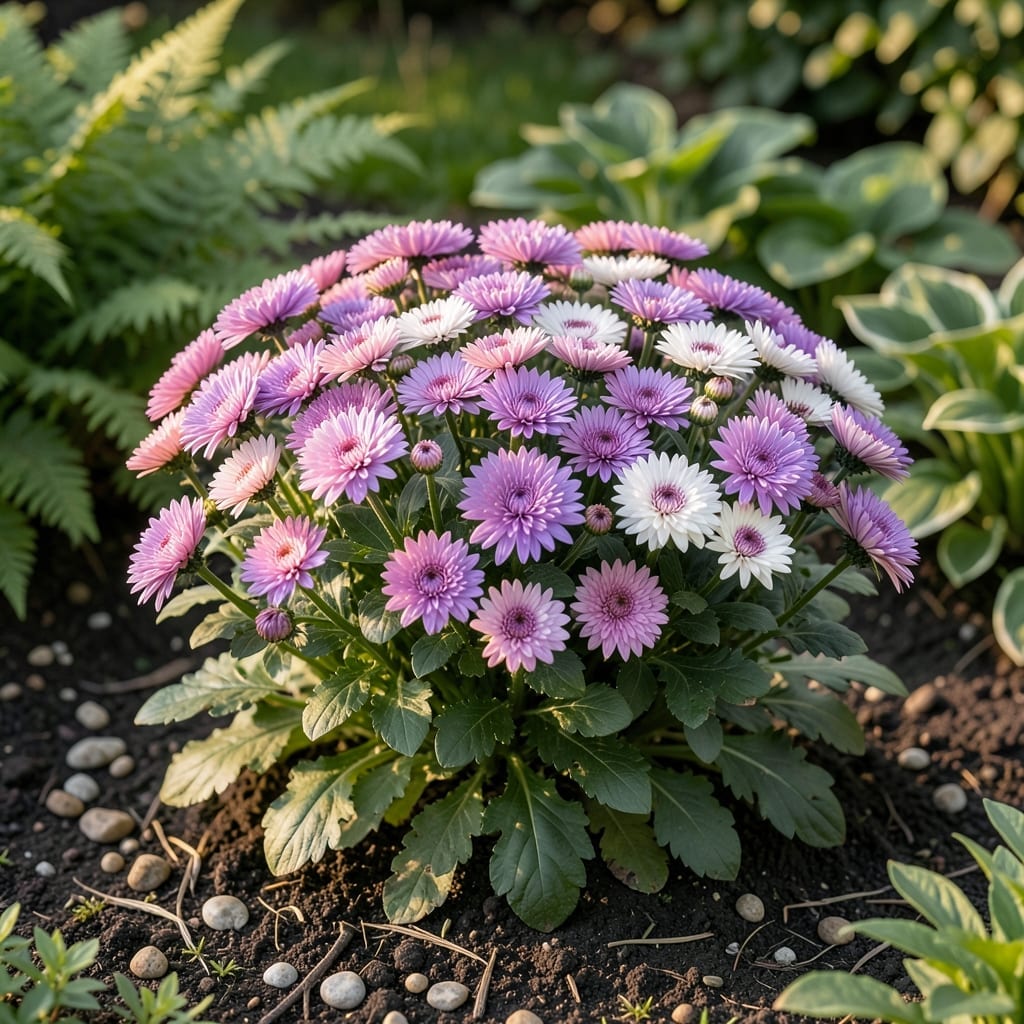
Belgian mums are technically perennials in their hardiness zones but are often grown as annuals. In zones 5-9, they can return yearly with proper winter care and protection.
I’ve seen these mums thrive for years when planted in the right conditions. The key is their ability to survive cold winters with a little help from mulch or protective cover. Many gardeners treat them as disposable annuals, but with proper timing and care, they’ll reward you with reliable blooms each fall. 🌟
💡 In This Article
The perennial nature of these plants depends entirely on their ability to survive winter. In USDA hardiness zones 5-9, they can endure temperatures down to -15°F when properly established. However, outside this range, the cold kills their root systems, forcing gardeners to replant each spring. 🔥
Many commercial growers market them as annuals because they’re often planted in late summer for immediate fall color. This timing gives the plants insufficient time to establish deep root systems before winter. Without 6-8 weeks of root development, they lack the energy reserves to regrow in spring.
Soil conditions also play a crucial role. Poor drainage leads to root rot during winter thaws, while dry soil prevents the roots from storing enough nutrients. The ideal scenario is well-draining soil with consistent moisture during their first growing season.
What most gardeners don’t realize is that even within their hardiness zones, Belgian mums need protection. A 2-3 inch layer of mulch acts like a blanket, insulating the soil and preventing temperature fluctuations that can damage shallow roots. ✨
In colder zones like 4 or below, the plants simply can’t survive without artificial protection. Some gardeners successfully overwinter them by digging up the plants, storing them in a cool but frost-free location, and replanting in spring—a process similar to how dahlias are treated.
They thrive as perennials in USDA zones 5-9 where winters stay above -15°F. Outside this range, they typically won’t survive without extra protection.
Late planting leaves insufficient time for roots to establish. Without 6-8 weeks of growth before frost, they lack energy to regrow in spring.
After blooming, cut stems to 4-6 inches and add a 2-3 inch mulch layer once temperatures drop below 32°F consistently.
Yes, but move pots to a sheltered spot like an unheated garage in winter. Water sparingly (about once monthly) to prevent root desiccation.