
Beautiful Plants For Your Interior
Beautiful Plants For Your Interior
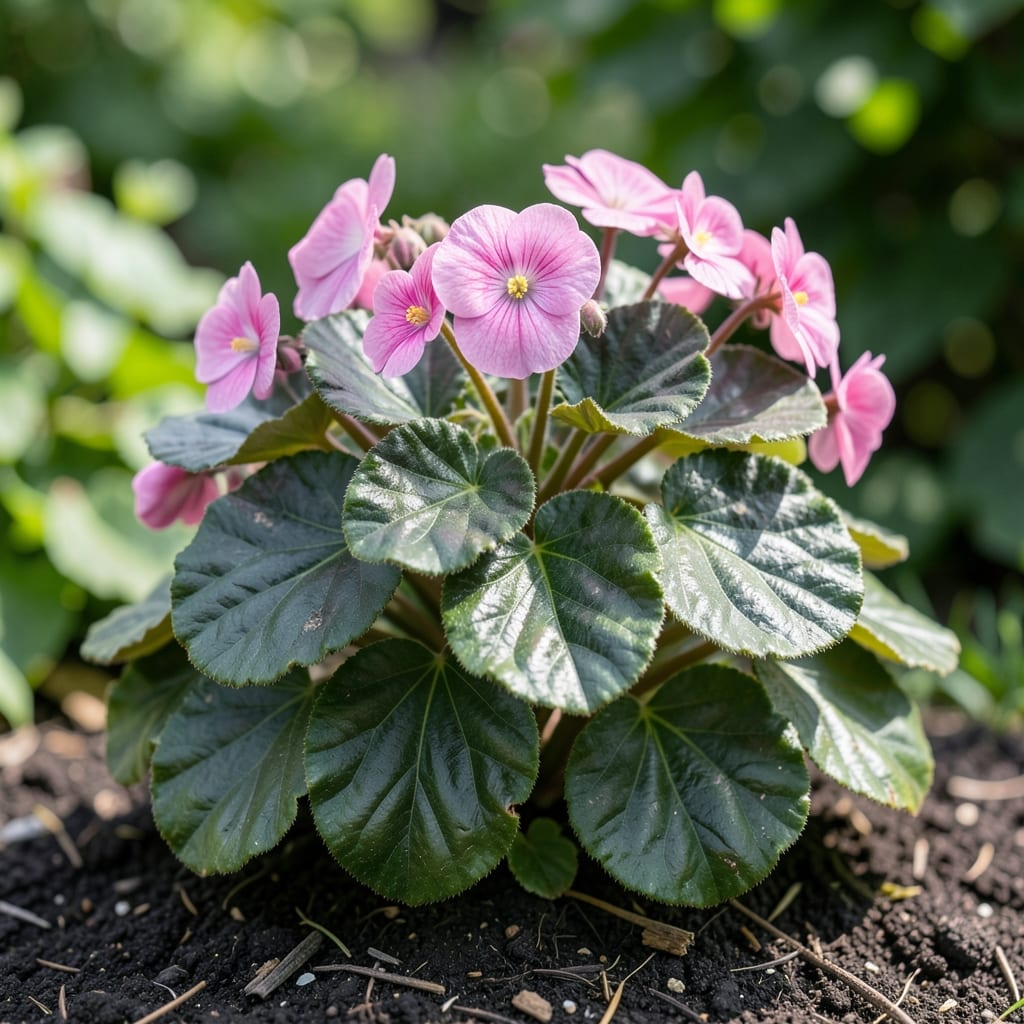
Begonias are technically perennials in their native tropical climates but are often grown as annuals in cooler regions where they cannot survive winter frost.
This dual nature comes down to their tropical origins—they thrive year-round in warm, frost-free zones like USDA 10-11. 🌿 In colder areas, I treat them as seasonal plants, replanting each spring after the last frost. Their sensitivity to temperatures below 50°F means they won’t bounce back after winter die-off, which is why gardeners in cooler climates restart them annually.
💡 In This Article
Begonias hail from tropical and subtropical regions, where they naturally grow as perennials due to consistent warmth and humidity. Their native habitats in places like South America and Asia provide year-round temperatures between 60-85°F, ideal for continuous growth. This environment allows them to establish deep root systems and regrow from tubers each season without interruption.
🌿
However, their classification shifts in colder climates due to frost sensitivity. Begonias cannot tolerate temperatures below 50°F for extended periods. In USDA hardiness zones 9 and below, winter frost damages their tender stems and foliage, effectively killing the plant.
This inability to survive winter is why they’re treated as annuals—gardeners replant them each spring after the last frost date. ❄️
The key factor is their tuberous root system. In tropical zones, these tubers store energy year-round, enabling regrowth. In cooler areas, the same tubers can be dug up before frost, stored indoors at 50-60°F in dry conditions, and replanted the following spring. This practice mimics their natural perennial cycle, but requires human intervention. 💛
Even within perennial zones, microclimates matter. A sheltered patio in zone 9b might allow begonias to survive winter, while an exposed garden bed in the same zone could see them perish. Factors like soil drainage, wind exposure, and mulch protection influence their ability to return each year.
This variability explains why some gardeners in borderline zones experiment with overwintering techniques. ✨
For comparison, consider other tropical perennials like coleus or impatiens—both share begonias’ frost intolerance. Yet begonias have an edge: their tubers make them easier to overwinter indoors than plants with fibrous roots. This adaptability is why you’ll find them thriving as perennials in Florida gardens while being annual stars in Michigan summer beds. 🌟
Yes! With bright, indirect light and 60-75°F temperatures, potted begonias thrive indoors year-round. Keep soil lightly moist but not soggy, and fertilize monthly during active growth.
Before first frost, dig up tubers and store in a dry, 50-60°F location. Check monthly for rot or shriveled tubers. Replant after last frost when soil warms to 60°F.
Begonias are frost-sensitive and cannot survive temperatures below 50°F. In zones 9 and below, winter cold damages their tender growth, requiring annual replanting.
For potted plants, move indoors before frost, reduce watering, and place in bright light. This method requires no digging and preserves the entire plant.