
Beautiful Plants For Your Interior
Beautiful Plants For Your Interior
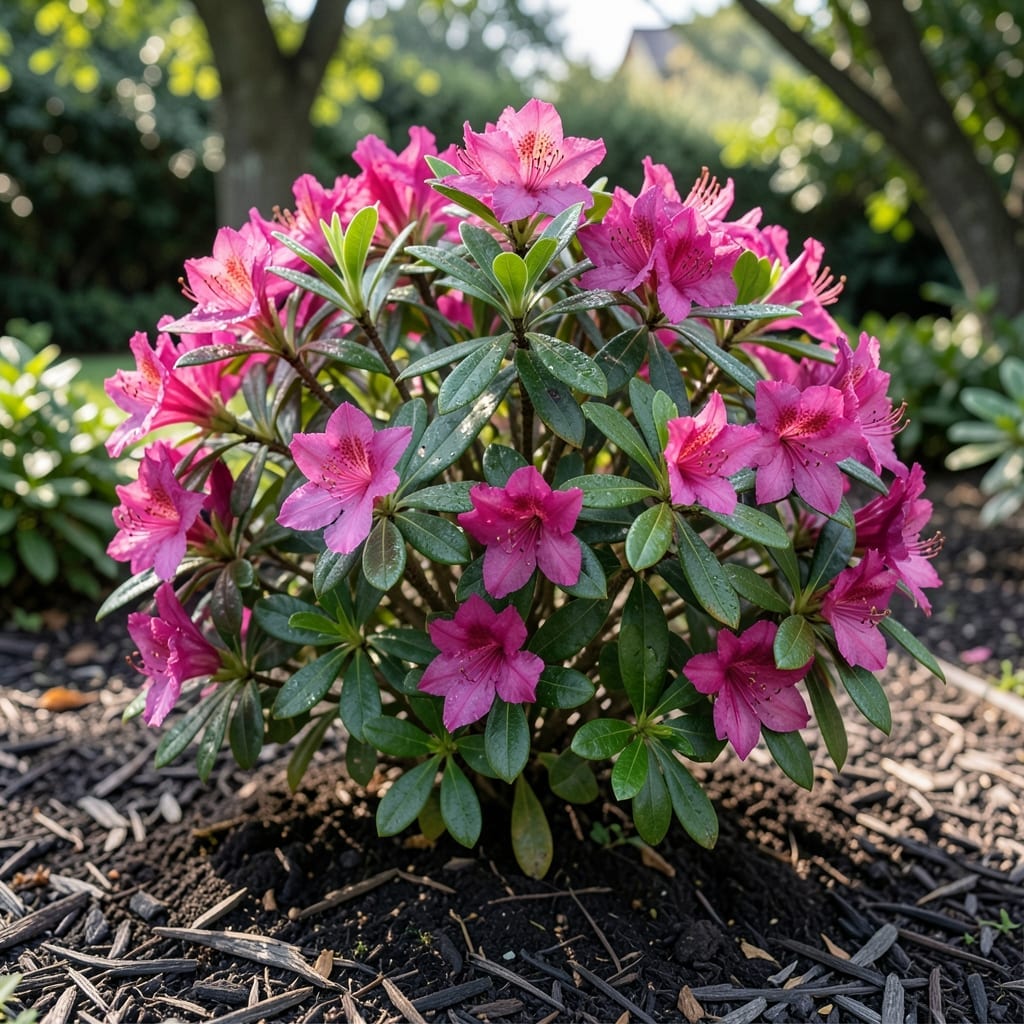
Azaleas require specific conditions like acidic soil and partial shade but are manageable with proper care. Their main challenges involve watering, pruning, and pest control.
I’ve found these plants thrive when you test and amend your soil to hit that perfect pH of 4.5–6.0, as they simply won’t absorb nutrients outside this range. 🌱 They also need consistent moisture—neither soggy nor dry—to prevent leaf drop or root rot. The real game-changer is timing your pruning right after they bloom, which encourages bushier growth without sacrificing next year’s flowers.
💡 In This Article
Azaleas are picky about their soil because of their shallow root systems. These roots can’t absorb iron in alkaline soil, leading to yellow leaves (chlorosis). A pH of 4.5–6.0 is critical—even slightly above this blocks nutrient uptake. I’ve seen plants revive dramatically after amending soil with sulfur or peat moss. 🔥
Their light needs are equally specific. Too much sun causes leaf scorch, while deep shade reduces blooming. The sweet spot is morning sun and afternoon shade, especially in hotter climates. In zones 6–9, they often struggle with late frosts that damage flower buds just as they’re forming.
This timing sensitivity makes them less forgiving than hardier shrubs.
Watering is another precision task. These plants hate wet feet but wilt quickly in dry conditions. Aim for 1–2 inches of water weekly, including rainfall, and always water at the base to prevent fungal diseases. Mulching with 2–3 inches of pine bark helps retain moisture while maintaining that crucial acidic environment.
Seasonal care adds complexity. Pruning at the wrong time—like after mid-summer—removes next year’s flower buds. Azaleas set their buds in late summer, so any cuts must happen within 2–3 weeks after blooming. This narrow window trips up many new growers who expect more flexibility. ✨
Finally, their pest vulnerabilities require vigilance. Lace bugs, spider mites, and azalea bark scale target stressed plants. Regular inspections of leaf undersides (where lace bugs lay eggs) and prompt treatment with horticultural oil can prevent infestations. Unlike more resilient plants, azaleas show distress quickly, making early intervention essential.
They require acidic soil with a pH of 4.5–6.0. Test your soil first and amend with sulfur or peat moss if needed. Pine bark mulch helps maintain acidity over time.
Aim for 1–2 inches of water weekly, including rain. Use the finger test: if the top 2 inches of soil are dry, it’s time to water deeply at the base.
Prune within 2–3 weeks after blooming. This timing avoids cutting off next year’s flower buds, which form in late summer.
Yellow leaves often signal chlorosis from alkaline soil. Check your pH and amend with sulfur or iron chelates to help the plant absorb nutrients.