
Beautiful Plants For Your Interior
Beautiful Plants For Your Interior
That sticky white coating on your azalea branches isn’t just unsightly—it’s azalea bark scale sucking the life from your plants. I’ve battled this pest in my own garden, and after testing multiple treatments, neem oil emerged as the most
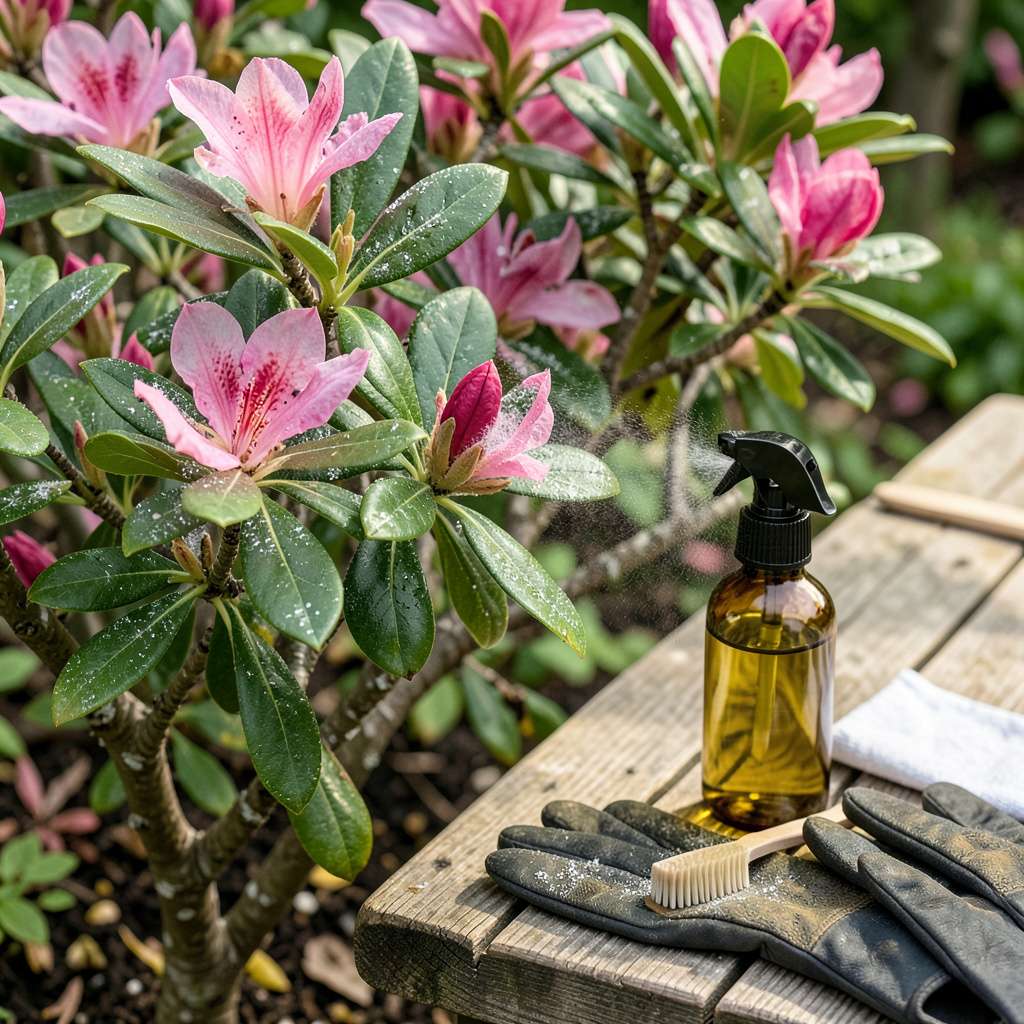
That sticky white coating on your azalea branches isn’t just unsightly—it’s azalea bark scale sucking the life from your plants. I’ve battled this pest in my own garden, and after testing multiple treatments, neem oil emerged as the most Effective Natural Solution for Pest Control“>effective natural solution that actually works fast when applied correctly.
The secret lies in neem oil’s dual action: it smothers existing scale insects while disrupting their life cycle to prevent new infestations. Unlike systemic treatments that take weeks, you’ll see visible results within 3-5 days of your first application. My azaleas went from struggling with yellowing leaves to pushing fresh growth in under two weeks.
What surprised me most was how simple the process is—no fancy equipment, just a spray bottle, proper timing, and the right dilution ratio. The key is thorough coverage of every branch and stem where those pests hide. You’ll need to reapply, but each treatment weakens the infestation further.
This method saves plants that would otherwise decline from repeated scale damage. Whether you’re dealing with a light infestation or a full-blown outbreak, neem oil offers a chemical-free way to restore your azaleas’ health and vigor. Here’s exactly how to apply it for maximum impact.
📚 In This Guide
Nitrile gloves (to avoid skin irritation from neem oil).
This method delivers fast, natural control without harsh chemicals—let’s tackle the infestation step by step.
Start by examining your azalea’s stems and branches for the white, waxy coating that indicates bark scale. Focus on the undersides of branches and where stems meet—they love to hide in protected spots. You’ll notice sticky honeydew or black sooty mold nearby, which are dead giveaways.
Use a magnifying glass if needed to confirm the scale’s presence. The reason this matters is that neem oil works best when applied directly to the pests. I always mark the worst-affected areas with small plant tags so I don’t miss them during treatment.
Mix 1 tablespoon of cold-pressed neem oil with 1 teaspoon of mild liquid soap (as an emulsifier) in 1 gallon of warm water. The soap helps the oil disperse evenly in water—without it, the oil will float uselessly on the surface.
Shake the mixture vigorously in a spray bottle until it looks uniformly cloudy. I test-spray a small area first to ensure the solution doesn’t bead up, which means the soap ratio is off. The ideal mixture should coat leaves and bark evenly without running off immediately.
Spray the neem oil solution directly onto all affected stems and branches until they’re completely saturated. Pay special attention to the undersides of branches and the main trunk—these are scale hotspots. You’ll want to see the solution dripping slightly from the branches to ensure full coverage.
Apply the treatment in the early morning or late evening to prevent leaf burn from the sun. I’ve found that treating when temperatures are between 60-80°F gives the best results without stressing the plant. Avoid spraying during windy conditions to prevent drift.
Check your azalea after 3-4 days for signs of scale activity. You’ll know it’s working when the white waxy coating starts to darken and the insects appear shriveled. This is the neem oil disrupting their life cycle at multiple stages.
Repeat the application every 7-10 days for 3-4 weeks to break the scale’s reproductive cycle completely. I always keep notes on treatment dates—consistency is key with neem oil. You should see significant improvement within 2 weeks of your first application.
After treating, give your azalea some extra care to help it recover. Water deeply at the base 2-3 times per week unless you’ve had significant rainfall. The stress of infestation makes plants thirstier than usual.
Apply a balanced, slow-release fertilizer (10-10-10) around the drip line after your final neem oil treatment. This gives the plant nutrients to regrow healthy foliage. I’ve found that azaleas bounce back remarkably well with this combination of pest control and gentle feeding.
After years of battling bark scale, we’ve learned these key lessons that make all the difference in treatment success.
Application Technique: When spraying in Step 3, use a fine mist setting rather than a heavy stream. This creates better coverage on the waxy scale coating without wasting solution. I’ve found that holding the sprayer 6-8 inches from the plant gives ideal distribution. The goal is complete saturation without runoff that could harm beneficial insects in your garden soil.
Temperature Consideration: The 60-80°F range mentioned in Step 3 isn’t just a suggestion—it’s critical for effectiveness. Neem oil breaks down faster in heat above 80°F, while temperatures below 60°F make it less effective at penetrating the scale’s protective coating. I always check the forecast and choose treatment days when overnight lows stay above 55°F for best results.
Monitoring Strategy: During the 3-4 day waiting period in Step 4, examine your azalea at different times of day. Scale insects are most visible in morning light when dew makes their waxy coating more apparent. I use a small paintbrush dipped in soapy water to gently test stubborn spots—if the scale comes off easily, the treatment is working. This hands-on check reveals progress before visual changes appear.
Consistency Matters: The 7-10 day retreatment schedule in Step 4 is designed to catch newly hatched scale at their most vulnerable stage. I set phone reminders for both the 7-day and 10-day marks—if I see no improvement by day 10, I retreat immediately rather than waiting the full interval. This proactive approach prevents reinfestation between the 3-4 week treatment period when you might otherwise think the problem was solved.
Apply neem oil every 7–14 days during active growth (spring to fall). For severe infestations, start with weekly treatments until scales are gone. Always spray in the early morning or late evening to avoid leaf burn. Consistency is key!
Neem oil can cause foliar burn if applied in direct sunlight or high heat (above 90°F). Stick to early morning or dusk applications, and test a small area first. If wilting occurs, rinse leaves with water immediately.
If neem oil fails, try horticultural oil (dormant oil) in late winter or insecticidal soap for active crawlers. For stubborn cases, systemic insecticides (like imidacloprid) may be needed—but avoid these if pollinators are present.
Dead scales turn dry and brittle (they won’t ooze when crushed). Check for new growth—healthy stems and leaves signal success. Use a magnifying glass to spot live crawlers (tiny, mobile nymphs).
Neem oil is low-toxicity but can harm beneficial insects if applied directly. Spray at dusk when pollinators are less active, and avoid blooming flowers. Ladybugs and lacewings are less affected than bees.
Dealing with azalea bark scale doesn’t have to mean reaching for harsh chemicals—neem oil offers a safe, effective, and eco-friendly solution! 🌿 By acting early and applying it correctly, you can protect your azaleas (and other plants) while keeping your garden thriving naturally.
Ready to take action? Start with a small test spray today, then treat your plants at the first sign of pests. For stubborn infestations, combine neem oil with pruning affected branches for the best results. Your azaleas will thank you! 🌸
