
Beautiful Plants For Your Interior
Beautiful Plants For Your Interior
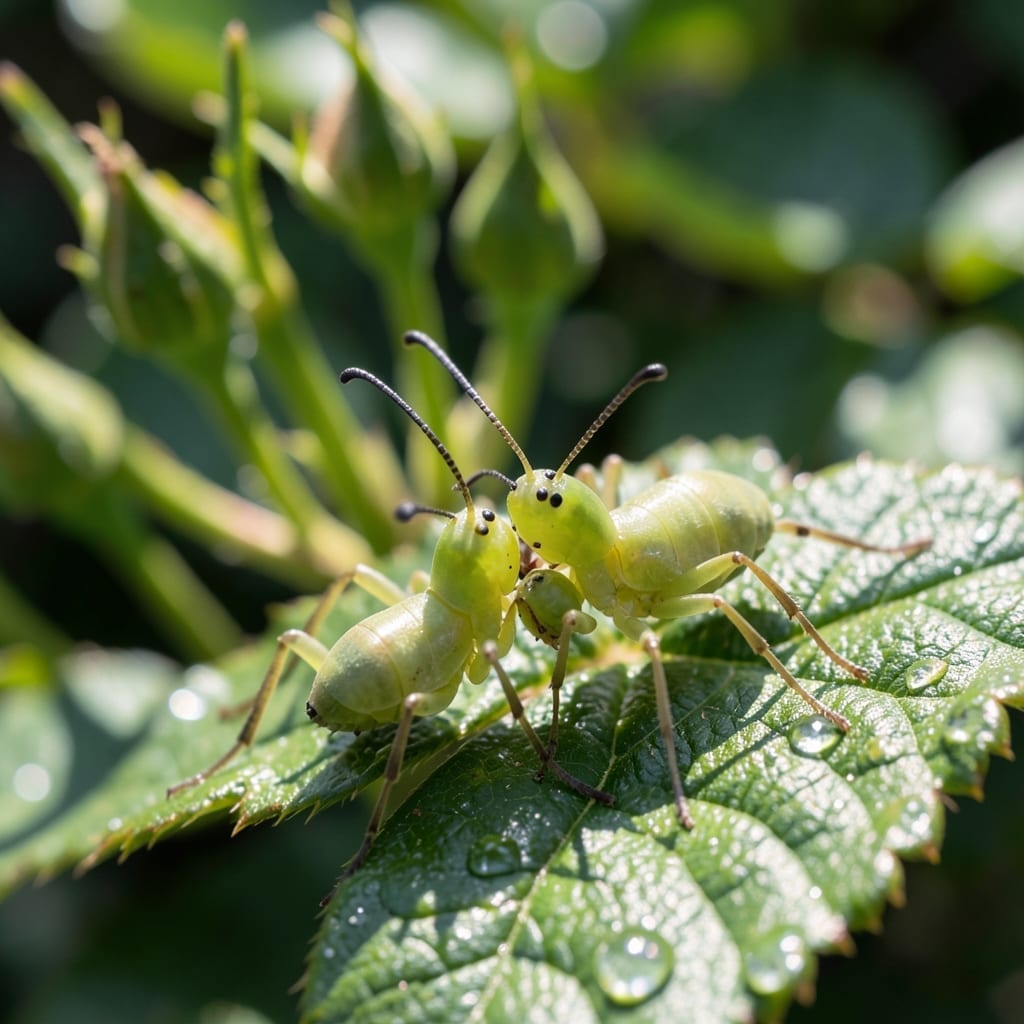
Aphids use their needle-like mouthparts to pierce plant tissues and extract phloem sap, which is rich in sugars and nutrients. This process starves the plant of essential resources, causing yellowing leaves, stunted growth, and curled or distorted new shoots.
A single aphid can reproduce 12-15 offspring per day, leading to exponential population growth that quickly overwhelm a plant. 🔥
The damage extends beyond direct feeding. Aphids secrete honeydew, a sticky, sugary substance that coats leaves and stems. This honeydew attracts ants, which protect aphids from predators, and promotes the growth of sooty mold, a black fungus that blocks sunlight and reduces photosynthesis by up to 50% in severe cases. ✨
Perhaps most insidiously, aphids act as vectors for plant viruses. Over 200 different viruses can be transmitted by aphids as they move from plant to plant, injecting viral particles directly into plant cells. This can lead to mosaic patterns on leaves, reduced yield, or even plant death.
Common examples include cucumber mosaic virus and potato leaf roll virus. 💫
For gardeners, the economic impact is real. Infested tomato plants may produce 30-40% fewer fruits, while aphid-damaged rose bushes often have misshapen blooms. The stress from aphid feeding also makes plants more susceptible to other pests and environmental stressors, creating a cascade of problems in your garden. ⚡
What’s particularly frustrating is that aphids often target the most vulnerable parts of plants—new growth, flower buds, and developing fruits—where their damage has the greatest impact on plant health and productivity. This selective feeding can completely halt a plant’s ability to grow and reproduce. 🌟
Aphids are not picky eaters. They target 500+ plant species, from vegetables to ornamentals. However, they do prefer tender new growth and plants stressed by drought or poor soil.
Yes, they often hitchhike indoors on new plants or open windows. Inspect new additions carefully and quarantine them for 1-2 weeks to prevent infestations.
Very few. Some gardeners use them as food for beneficial insects like ladybugs. But the damage they cause far outweighs any minor ecological benefit.
Extremely fast. In warm conditions, populations can double every 2-3 days. A small cluster today could become a full-blown infestation in under 2 weeks.