
Beautiful Plants For Your Interior
Beautiful Plants For Your Interior
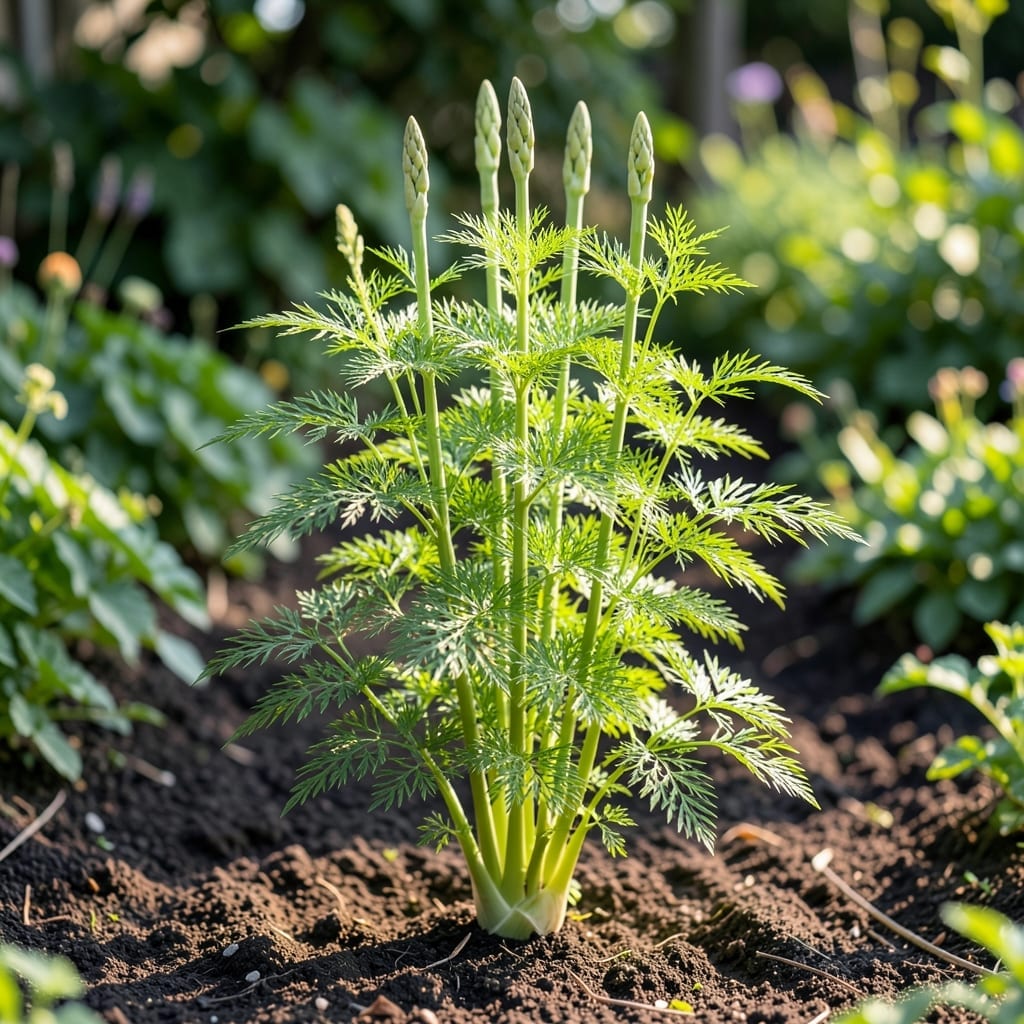
Yes, several vegetables are perennials, including asparagus, rhubarb, artichokes, and horseradish. These return year after year with proper care and climate conditions.
I’ve found that perennial veggies like asparagus can last 15-20 years in ideal conditions, making them a smart long-term investment for any garden. 🔥 These plants develop deep root systems that store energy, allowing them to regrow each spring with minimal effort on your part. What’s more, they often become more productive with each passing year, delivering bigger harvests as they mature.
💡 In This Article
What makes these vegetables unique is their ability to regrow from the same root system year after year. Asparagus, for example, establishes a deep crown that can produce spears for 15-20 years with proper care. The crown stores energy during the growing season, allowing it to push up new shoots each spring.
Rhubarb operates similarly, with its thick rhizomes storing nutrients that fuel new growth annually. ✨
Artichokes are another fascinating example. In warmer climates (USDA zones 7-11), they behave as true perennials, sending up new stems from the same root stock each year. Horseradish follows this pattern too, with its deep taproot system that can survive winter dormancy.
These plants have evolved to store energy in underground structures, making them naturally resilient to seasonal changes. 🔥
The key to their longevity lies in their growth habits. Perennial vegetables typically develop extensive root systems that can reach depths of 3-6 feet. This allows them to access water and nutrients that annual plants can’t reach. They also have specialized storage organs like crowns, rhizomes, or tubers that preserve energy between growing seasons.
Some lesser-known perennials include sunchokes (Jerusalem artichokes), which produce edible tubers, and walking onions, which develop new plants at the top of their stalks. Sea kale is another interesting option, with its asparagus-like shoots emerging each spring. These varieties demonstrate the diversity of perennial vegetables available to gardeners. 💫
Climate plays a crucial role in their success. While some perennials like asparagus can survive in colder zones (down to zone 3), others like artichokes need milder winters. Proper site selection, with well-draining soil and adequate sunlight, is essential for their long-term productivity.
The initial establishment period is critical, as young plants focus on root development rather than immediate harvest.
Most perennial vegetables like asparagus and rhubarb can produce for 10-20 years with proper care. Their lifespan depends on growing conditions and maintenance.
Many thrive in USDA zones 3-11, but some like artichokes need warmer zones 7-11. Check your local frost dates and soil conditions for best results.
Yes, but choose dwarf varieties and use large containers with drainage. Rhubarb and asparagus need deep pots for root development.
Overcrowding or depleted soil often reduces yields. Divide clumps every 3-5 years and enrich soil with compost to maintain productivity.