
Beautiful Plants For Your Interior
Beautiful Plants For Your Interior
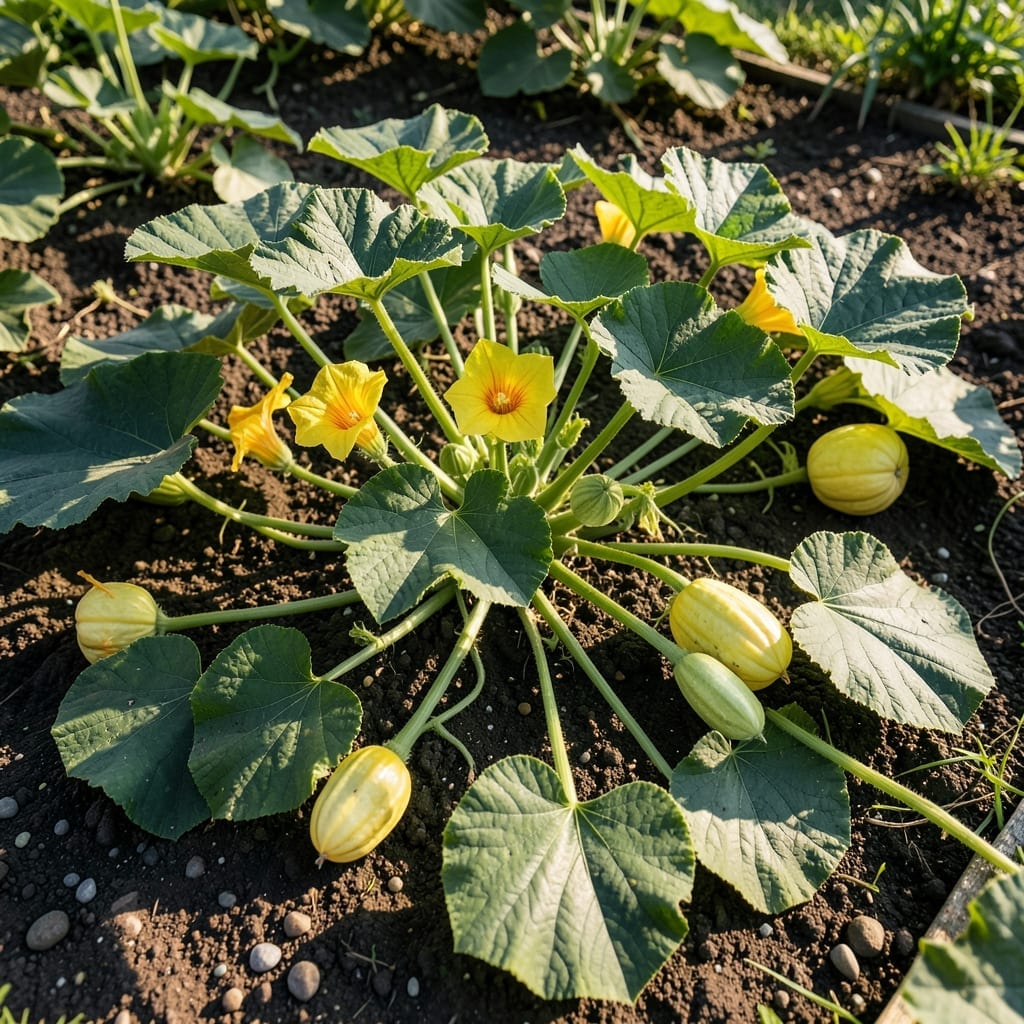
Yes, all squashes are botanically classified as fruits because they develop from the ovary of a flowering plant and contain seeds, even though they’re often used as vegetables in cooking.
This classification comes down to plant biology—any edible part that forms from a flower and holds seeds qualifies as a fruit. 🔥 I’ve noticed many gardeners get surprised by this, since we usually think of fruits as sweet. The key difference is that culinary terms focus on taste and use, while botanical definitions are all about plant structure and development.
💡 In This Article
Botanists classify squashes as fruits because they develop from the ovary of a flowering plant and contain seeds. This definition applies to all Cucurbitaceae family members, including pumpkins, zucchini, and butternut. The key is the presence of seeds within a mature, ripened structure that originated from a flower’s reproductive parts.
The confusion arises from culinary traditions that categorize foods based on taste and usage. Sweet fruits like apples or strawberries are eaten raw, while squashes are typically cooked and served in savory dishes. This practical distinction doesn’t change the botanical reality that squashes are berries—a specific fruit type with a fleshy pericarp and multiple seeds.
What’s fascinating is how squashes demonstrate the ovary’s transformation. After pollination, the flower’s ovary swells and differentiates into the fruit we recognize. In zucchini, this process takes about 45-55 days, while pumpkins may require 75-100 days to fully mature and develop their characteristic hard rinds. 🔥
This classification system helps gardeners understand plant development. When you see a squash vine producing flowers, you’re witnessing the first stage of fruit formation. The female flowers (with tiny fruits at their base) will only develop into full-sized squashes if successfully pollinated. Each seed inside represents a potential new plant, completing the reproductive cycle.
Even seedless varieties don’t escape this classification. Those “seedless” squashes you find in stores actually contain underdeveloped seeds. True seedlessness in plants usually requires specific growing conditions or hybridization, but the botanical definition remains unchanged—the structure still originates from the ovary and serves the same reproductive purpose.
The USDA’s nutritional database even lists squashes under the fruit category, though they acknowledge the culinary vegetable classification. This dual status highlights how scientific definitions and practical usage can coexist, each serving different purposes in our understanding of plants. ✨
Culinary terms focus on taste and use, not biology. Sweet fruits are typically eaten raw, while savory ones like squash are cooked and served in dishes we associate with vegetables.
No—every squash variety, from zucchini to pumpkin, meets the botanical fruit definition. Even seedless types contain underdeveloped seeds, which still qualifies them as fruits scientifically.
Understanding squashes as fruits helps you recognize their growth stages. Female flowers (with tiny fruits at the base) only develop after pollination, and each seed inside can start a new plant.
Yes! Tomatoes, cucumbers, and peppers are also botanically fruits but used as vegetables. The USDA even lists these under both categories to reflect their scientific and culinary roles.