
Beautiful Plants For Your Interior
Beautiful Plants For Your Interior
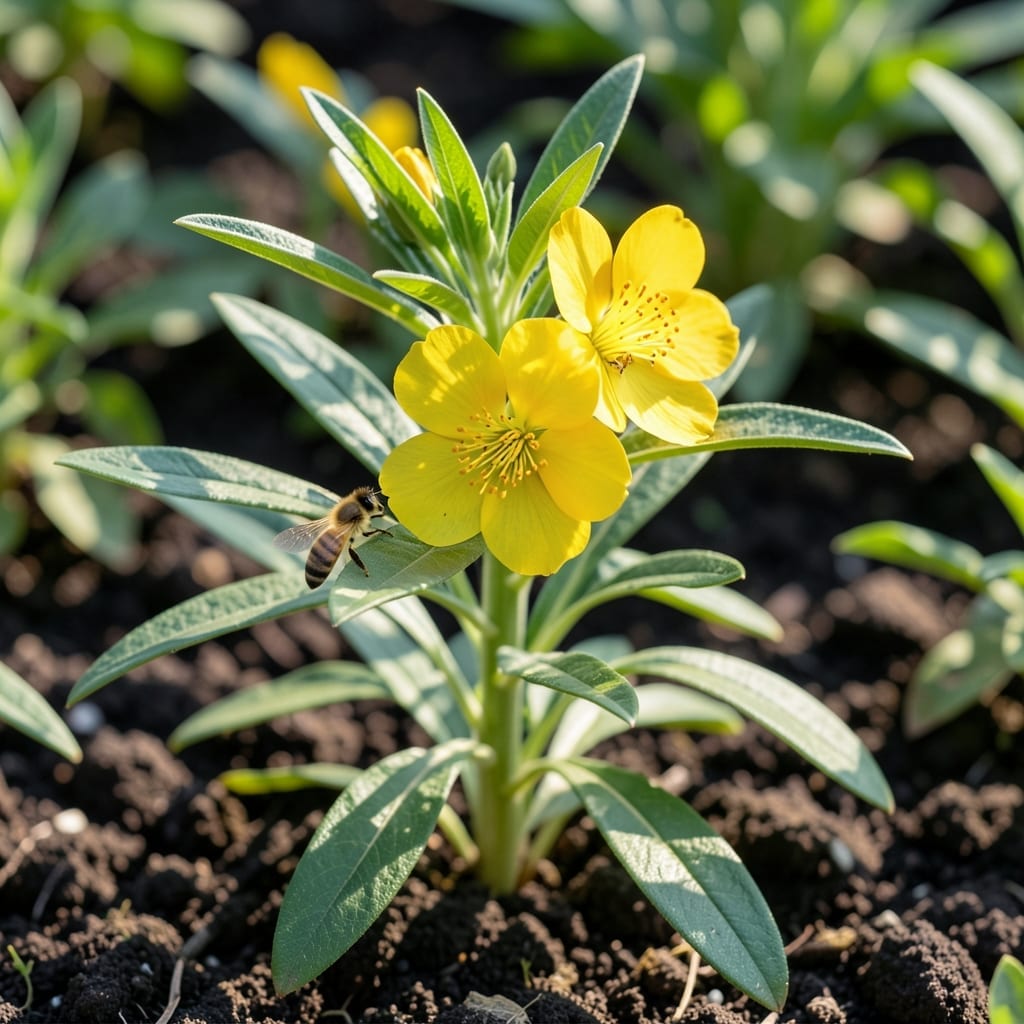
Pollination in flowering plants involves the transfer of pollen from the male anther to the female stigma, enabling fertilization and seed production.
This natural process is what kickstarts plant reproduction, and it happens through various agents like wind, bees, or even water. Each pollen grain carries genetic material that, once it reaches the stigma, travels down to the ovary to create seeds. 🌟 I’ve seen firsthand how vibrant gardens thrive when this transfer happens efficiently—it’s the foundation of fruit, vegetable, and flower development.
💡 In This Article
The transfer begins in the anther, where pollen grains—each containing male gametes—are produced. These microscopic grains have tough outer walls to survive their journey. When mature, the anther splits open to release them, often triggered by environmental cues like temperature or humidity changes. 🌟
Wind-pollinated plants like corn release massive quantities—up to 10 million pollen grains per tassel—to increase the odds of reaching a stigma. The grains are lightweight and smooth, designed to drift on air currents. In contrast, animal-pollinated flowers produce sticky or spiky pollen that clings to fur, feathers, or bodies of visiting creatures.
Flower structure plays a critical role in guiding pollinators. Brightly colored petals and ultraviolet patterns invisible to humans act as landing guides. The stigma often has a sticky or feathery surface to better catch incoming pollen, while the flower’s shape may force visitors to brush against the anther and stigma in sequence.
Water serves as a rare but fascinating transfer medium for aquatic plants. In species like Vallisneria, male flowers break free and float to the surface, where they release pollen that drifts downward to reach female flowers. This method requires precise timing and water conditions to succeed. ✨
Once pollen lands on a compatible stigma, it must germinate within hours to days depending on the species. The grain grows a pollen tube down through the style to the ovary, where fertilization occurs. This tube can grow at rates of up to 1mm per hour in optimal conditions.
Environmental factors like temperature, humidity, and even touch can cause the anther to split and release pollen. Some plants open their anthers in the morning, while others respond to specific weather conditions.
Bright colors, sweet scents, and even ultraviolet patterns guide bees, butterflies, and hummingbirds to flowers. Many blooms also produce nectar as a reward for visiting pollinators.
Wind-pollinated plants often grow in large clusters and produce massive amounts of lightweight pollen. This method is efficient for grasses and trees where animal pollinators might be less reliable.
Cross-pollination between species is rare but possible if the plants are closely related. Most successful pollination occurs between flowers of the same species to ensure compatible genetic material.