
Beautiful Plants For Your Interior
Beautiful Plants For Your Interior
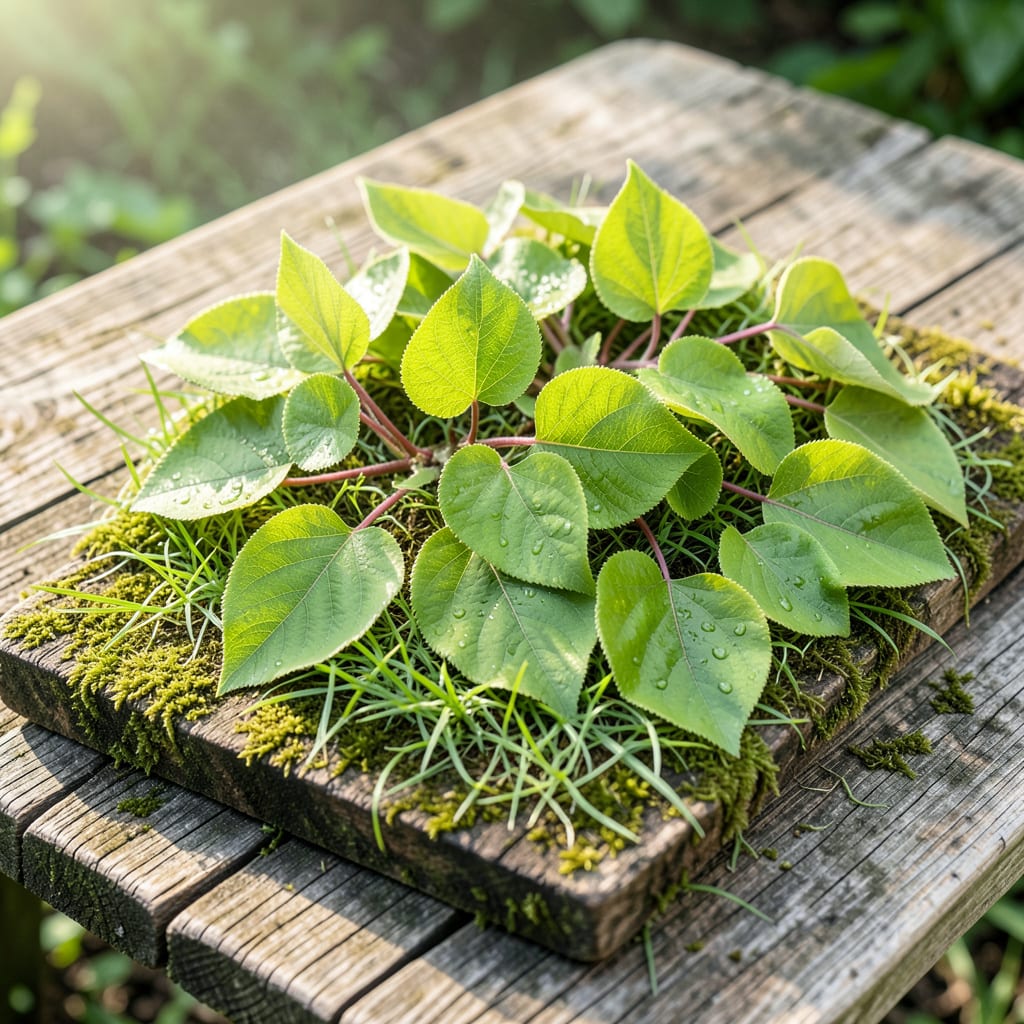
Watching those first leaves unfurl on your apple sapling feels like magic. I still remember checking mine daily, waiting for that bright green confirmation that roots had taken hold.
Healthy leaves tell the real story—deep color, firm texture, and steady growth mean you’re on track. Spot these early signs and you’ll catch problems before they start. This is how you set up years of strong growth.
📚 In This Guide
Here’s how I check young apple trees for the strongest, most vigorous growth patterns.
Healthy sapling leaves should be a deep, vibrant green on top with a slightly lighter underside. Avoid any yellowing, browning, or black spots, as these signal nutrient deficiencies or disease. I always check the texture too—leaves should feel smooth and slightly leathery, not brittle or slimy.
New growth often starts with a reddish tint, which is normal, but it should transition to green within 1-2 weeks. If the red persists or spreads, the sapling may be stressed from too much sun or poor soil conditions. Run your fingers along the surface to confirm it’s firm and free of powdery residue.
Apple tree sapling leaves are typically 2-4 inches long with a slightly serrated edge and a pointed tip. They should appear symmetrical, without curling, cupping, or twisted edges. I compare new leaves to older ones—if they’re significantly smaller or misshapen, the tree might need more water or nutrients.
Watch for leaves that look stunted or have jagged, irregular edges. This often means pest damage, like from aphids or sawfly larvae. A healthy sapling produces uniform leaves that grow larger as the season progresses. By midsummer, they should reach near full mature size for the variety.
Leaves should grow alternately along the stem, not in pairs or clusters. I look for a consistent pattern with 1-2 inches of space between each leaf node. Crowded or sparse growth can indicate over- or under-fertilization, which throws off the tree’s balance.
The canopy should feel dense but not suffocating. If leaves are widely spaced with long gaps of bare stem, the sapling may be struggling to photosynthesize efficiently. I gently part the foliage to ensure light reaches the inner branches—this prevents weak, leggy growth that snaps easily in wind.
Turn leaves over to check for pests like spider mites or scale, which appear as tiny dots or sticky residue. I also look for holes, which could mean caterpillars or beetles. A few minor imperfections are normal, but widespread damage requires immediate attention to keep the sapling thriving.
Check for wilting or drooping, especially in hot afternoons. Some wilting is natural in extreme heat, but if leaves stay limp overnight, the roots may be waterlogged or diseased. I press the soil around the base—if it’s soggy or smells sour, I hold off on watering until it dries to a moist but crumbly texture.
Healthy saplings produce new leaves steadily throughout the growing season. I track progress by noting how many new leaves appear each week. A strong sapling should add 2-3 leaves per shoot during peak growth in spring and early summer. Slow or stalled growth often means it’s time to adjust care.
By late summer, the leaves should look robust and deeply colored, with no signs of premature yellowing or drop. If leaves start falling early, it could signal drought stress or fungal issues. I make a habit of walking the tree daily—early detection of changes makes all the difference in keeping it on track for a healthy future.
Here’s what I’ve learned from years of checking young trees—small details make all the difference.
Color Clues: That reddish tint on new growth is normal, but it must fade to vibrant green within 1-2 weeks. If it lingers or spreads, your sapling is likely stressed by too much sun or poor soil. I press the surface to check for firmness—brittle or slimy leaves are a red flag for disease or overwatering.
Size and Shape Check: Healthy leaves should be 2-4 inches long with smooth, serrated edges. If you notice jagged or irregular edges, pests like aphids might be the culprit. I compare new leaves to older ones weekly—significant size differences often mean the tree needs more water or nutrients.
Spacing Matters: Look for 1-2 inches between each leaf node along the stem. Crowded leaves can mean over-fertilization, while sparse growth might signal under-fertilization. I gently part the foliage to ensure light reaches inner branches—this prevents weak, leggy stems that break in wind.
Stress Signals: Wilting in hot afternoons is normal, but if leaves stay limp overnight, check the soil. It should feel moist but crumbly, never soggy or sour-smelling. I track new leaf growth weekly—2-3 leaves per shoot in spring and early summer means your sapling is thriving.
Yellow leaves often indicate overwatering, nutrient deficiencies, or poor drainage. Check soil moisture and ensure proper fertilization. If the issue persists, test soil pH and adjust as needed.
Leaves typically emerge in early spring, depending on your climate and sapling age. Healthy saplings show new growth within 2-4 weeks of planting if conditions (light, water, temperature) are ideal.
No, apple trees can’t propagate from leaf cuttings. Use grafted saplings or rootstock for reliable growth. Leaf cuttings lack the necessary structures to develop into a mature tree.
Unhealthy leaves may appear wilted, spotted, or discolored (brown, black, or yellow). Pests, diseases, or environmental stress often cause these signs. Inspect leaves regularly for early intervention.
Water deeply 1-2 times per week, ensuring the soil stays moist but not soggy. Adjust based on rainfall and temperature. Young saplings need consistent moisture to establish strong roots.
