
Beautiful Plants For Your Interior
Beautiful Plants For Your Interior
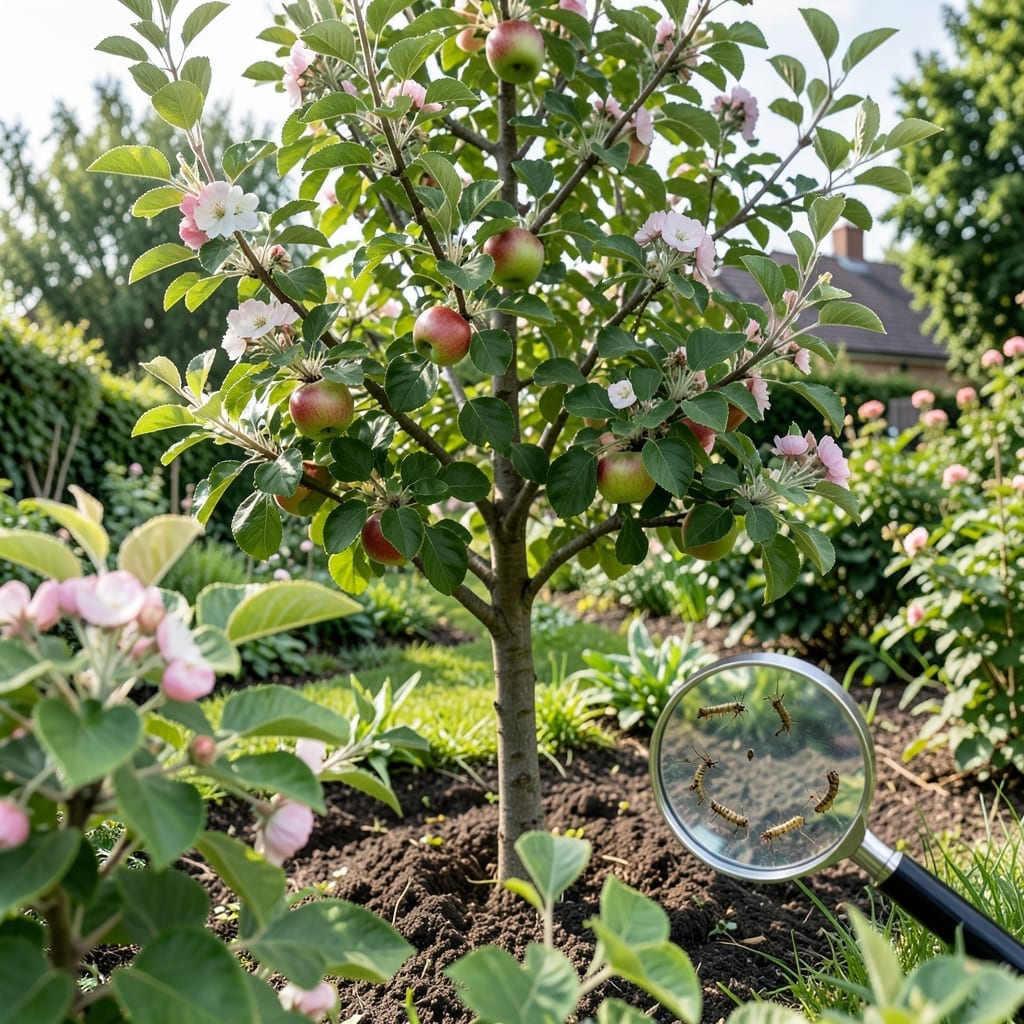
My first apple tree nearly died from unseen invaders. Tiny pests can strip leaves bare before you notice the damage.
I learned the hard way that healthy foliage starts with early detection. Check undersides of leaves weekly for eggs or webbing.
Organic solutions work best when you catch problems early. Neem oil and insecticidal soap are my go-to defenses against most leaf pests.
With consistent monitoring and the right approach, your apple tree can maintain vibrant green leaves all season long.
Apple tree leaf pests thrive due to a combination of environmental, biological, and cultural factors. Understanding these root causes helps you prevent infestations before they start. Below are the most common triggers, explained with actionable insights.
Warm, humid weather creates the perfect breeding ground for pests like aphids, mites, and apple scab fungi. High moisture levels (e.g., frequent rain or overhead irrigation) allow fungal spores to germinate, while drought stress weakens trees, making them more susceptible to scale insects and leaf miners. Monitor local weather patterns and adjust watering practices to reduce humidity around foliage.
Apple trees with nutrient deficiencies—particularly nitrogen or potassium—produce weak, thin leaves that pests target easily. Over-fertilization (especially with nitrogen) can also promote excessive soft growth, which attracts sawfly larvae and tent caterpillars. Conduct soil tests annually and amend with organic compost to maintain balanced nutrition.
Beneficial insects like ladybugs, lacewings, and parasitic wasps keep pest populations in check. However, broad-spectrum pesticides or monoculture orchards can wipe out these allies, leading to outbreaks of woolly apple aphids or spider mites. Plant companion flowers (e.g., dill, yarrow) to attract predators and avoid chemical sprays unless absolutely necessary.
Improper pruning, failing to remove fallen leaves, or allowing weed overgrowth can all invite pests. Apple scab and powdery mildew overwinter in leaf litter, while dense canopies reduce airflow, fostering fungal growth. Sanitize your orchard by raking debris in fall, pruning for airflow, and mulching with cedar chips (a natural deterrent for some insects).
Dealing with pests on your apple tree leaves? Here’s how to tackle each issue head-on with practical, organic solutions.
Spray a strong stream of water to dislodge aphids from leaves. For stubborn infestations, apply neem oil or insecticidal soap every 5–7 days. Prevention tip: 💡 Encourage ladybugs—they’re natural aphid predators!
Hang red sticky traps in the tree to catch adult flies before they lay eggs. Remove and destroy fallen fruit promptly, as it can harbor larvae. Prevention tip: 🎯 Cover fruit with fine mesh bags to block access.
Prune heavily infested branches and dispose of them in sealed bags. Use horticultural oil in early spring to smother overwintering eggs. Prevention tip: ✨ Keep the area under the tree free of debris to reduce hiding spots.
Handpick caterpillars from leaves (wear gloves!) or apply Bacillus thuringiensis (Bt), a natural bacterial spray. Prevention tip: 🌡️ Apply kaolin clay to leaves—it creates a barrier that deters egg-laying.
For all pests, regular monitoring is key. Inspect leaves weekly, especially in spring and early summer, to catch problems early. Healthy trees resist pests better, so maintain good watering and mulching practices!
Inspect leaves weekly during spring and early summer, when pests are most active. Focus on undersides where eggs and larvae often hide.
Use horticultural oil in early spring to smother overwintering eggs. Repeat every 7-10 days if needed, but avoid applying during extreme heat.
Yes! Encourage natural predators like ladybugs, remove fallen leaves, and apply kaolin clay as a barrier. Healthy trees resist pests better too.
Pests often overwinter in leaf litter or bark. Sanitize the area by raking debris and pruning for airflow to break their life cycle.