
Beautiful Plants For Your Interior
Beautiful Plants For Your Interior
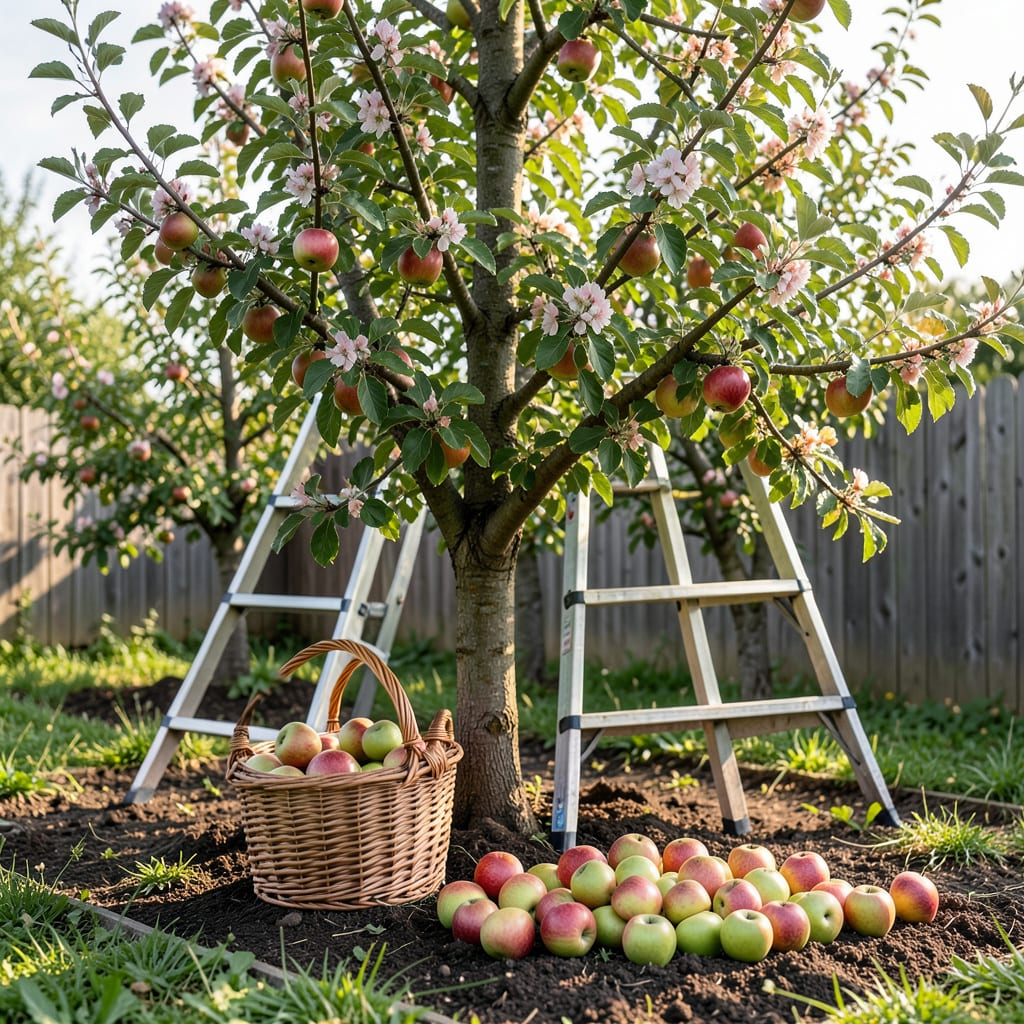
There’s nothing quite like biting into a perfectly ripe apple straight from your 🍎 Apple Tree. But how do you know when it’s truly ready?
I’ll show you the key signs to watch for, from color changes to that telltale sweet aroma. Discover how to time your harvest for the juiciest, most flavorful fruit every season.


Timing your apple harvest perfectly starts with knowing your tree’s variety. Each type has a unique window for peak ripeness, typically ranging from late summer to early fall. I’ve found that early varieties like Gala often ripen in August, while later ones like Fuji may need until October.
Climate plays a big role too. In warmer zones, apples may mature 1-2 weeks earlier than in cooler areas. For example, Granny Smith trees in Zone 7 might be ready in September, but in Zone 5, they could take until mid-October.
| Variety | Typical Harvest Time | Days After Bloom |
|---|---|---|
| Gala | Late August to Early September | 120-140 days |
| Fuji | Mid-September to October | 150-180 days |
| Granny Smith | October to Early November | 160-180 days |
| Honeycrisp | Mid-September to Early October | 140-160 days |
*Adjust for local climate and growing conditions.
For dwarf apple trees, the timeline is often 10-15 days earlier than standard varieties. I always recommend checking the seed color—when they turn brown, the apples are usually ready. This is a more reliable indicator than just skin color, especially for green varieties like Granny Smith.
Another trick I use is the “twist test”. Gently twist an apple upward—if it separates easily from the branch with the stem intact, it’s ready. If it resists, give it a few more days. This method works well for most varieties, including McIntosh and Golden Delicious.
Regional differences can’t be ignored. In the Pacific Northwest, cooler temperatures may delay harvest by 1-2 weeks. Meanwhile, in the Southeast, warmer weather can speed up ripening. Always keep an eye on local weather patterns and adjust accordingly.
If you’re unsure, try picking one apple from different parts of the tree. Taste-testing is the best way to confirm ripeness. A sweet, crisp bite means it’s time to harvest the rest. I also look for a slight softening near the stem, which indicates peak ripeness.
For storage apples, like Rome or Braeburn, harvest when they’re at their firmest but fully colored. These varieties keep well in cool, dark places for months. Just avoid picking them too early, or they’ll lack flavor and won’t store as long.
Remember, early morning is the best time to pick. The apples are firmest and coolest, reducing bruising. Use a gentle touch and place them in shallow containers to prevent damage. With these tips, you’ll enjoy the best apple harvest every year! 🌳
Knowing when to harvest isn’t just about the calendar—it’s about what you see and feel. The most reliable sign is color change. Apples like Red Delicious turn deep red, while Golden Delicious shift to a rich golden hue. But don’t rely on color alone.
Another key indicator is seed color. Slice open an apple and check the seeds—when they turn brown, the fruit is typically ripe. White or light-colored seeds mean it needs more time on the tree.
The twist test is my go-to method. Gently twist an apple upward and if it comes off easily with the stem intact, it’s ready. If it resists, wait a few more days before checking again.
Don’t overlook the scent test. Ripe apples emit a sweet, fragrant aroma near the stem. If you don’t smell anything, the fruit likely isn’t ready yet. This works especially well for varieties like Honeycrisp and Gala.
A slight softening at the stem end is another giveaway. Press gently with your thumb—if there’s a little give, the apple is probably at peak ripeness. Just be careful not to bruise the fruit while testing.
Finally, taste testing is the ultimate confirmation. Pick one apple and take a bite. If it’s sweet and crisp, the rest are likely ready too. This is the most foolproof method, especially for heirloom varieties with unique ripening cues. 🌳
Even with the best intentions, it’s easy to make harvest mistakes that affect your apple quality. One of the most common errors is picking too early. Underripe apples lack sweetness and won’t store well, often turning mealy over time.
Another frequent misstep is harvesting too late. Overripe apples become soft and mushy, attracting pests and reducing shelf life. I’ve seen many gardeners lose their entire crop to fruit flies or rot because they waited too long.
Picking at the wrong time can ruin your entire harvest. Watch out for these common errors to ensure the best apple quality and storage life.
Ignoring weather conditions is another pitfall. Harvesting during rain or high humidity can lead to bruised or split fruit. I always recommend picking on dry, sunny days when the apples are firm and the skin is dry.
Improper handling during harvest can also damage your crop. Rough treatment causes bruising, which accelerates spoilage. Always use a gentle twisting motion and place apples in shallow containers to prevent crushing.
Finally, storage errors can ruin even the best harvest. Storing apples in warm or damp conditions leads to rapid deterioration. For long-term storage, keep them in a cool, dark place with good airflow. With these precautions, your apples will stay fresh for months. 🌳
Early morning is ideal when apples are firmest and coolest. This reduces bruising and helps them keep longer. Always handle gently and use shallow containers.
Check the seeds—when they turn brown, the apple is usually ready. Also, ripe apples emit a sweet aroma near the stem and separate easily with a gentle twist.
Early varieties like Gala ripen in August, while later ones like Fuji may need until October. Dwarf trees often ripen 10-15 days earlier than standard ones.
Underripe apples lack sweetness and won’t store well, often turning mealy. They may also be tart and less flavorful. Always confirm ripeness with color, seed check, and the twist test.
