
Beautiful Plants For Your Interior
Beautiful Plants For Your Interior
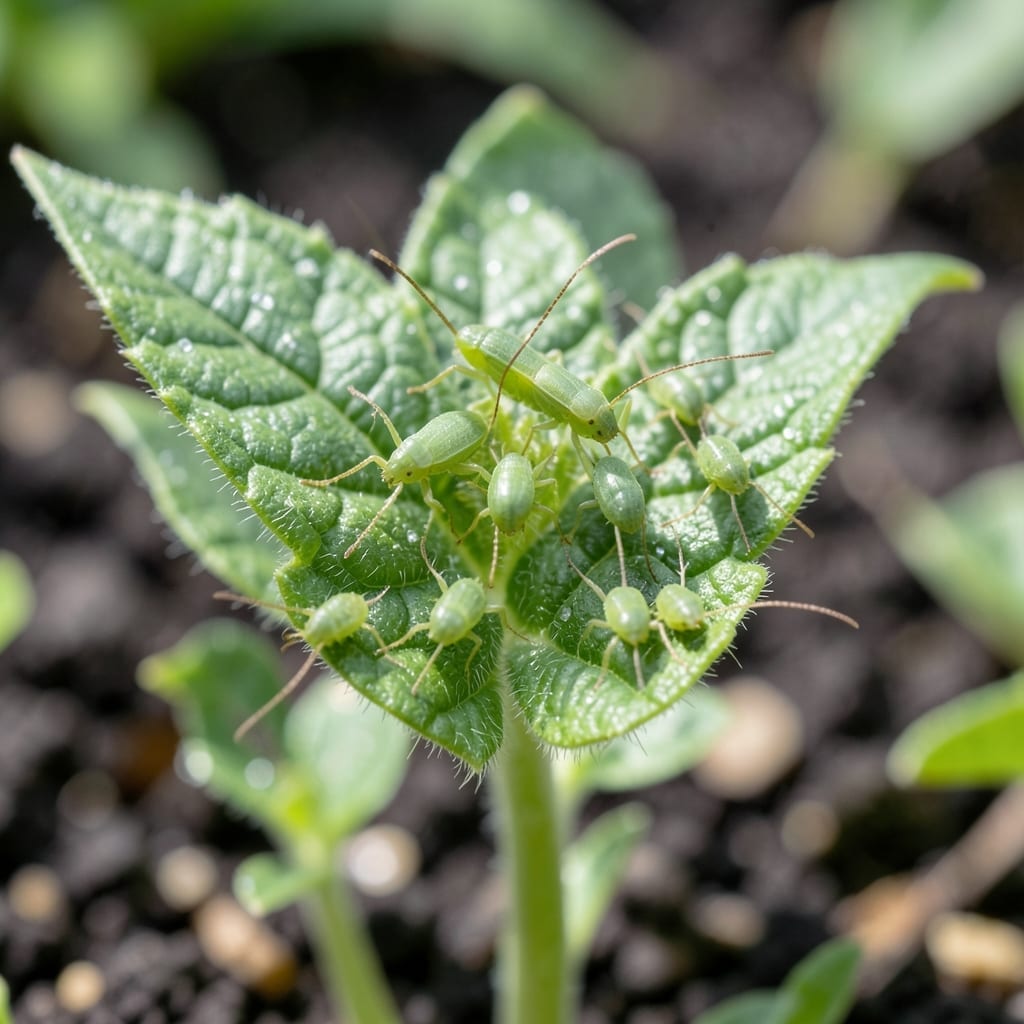
Tiny green invaders on your baby plants can break your heart. I remember finding my first tray of pea seedlings coated in aphids—over 200 of them on a single plant.
Here’s the thing—seedlings are especially vulnerable because their soft new growth is an aphid buffet. But there’s no need for harsh chemicals. Simple, gentle solutions can save your plants without harming the soil or future growth.
You’ll see results within 24-48 hours using organic methods. The key is consistency and catching the problem early, before they multiply out of control.
Works for any seedling type, whether you’re growing flowers, herbs, or vegetables. Let’s tackle this together.
Aphids thrive on seedlings due to a combination of environmental, biological, and cultural factors. Understanding these causes helps you prevent and manage outbreaks effectively.
Young plants with tender growth are prime targets for aphids. Stress from overwatering, poor soil nutrition, or improper light exposure weakens seedlings, making them more susceptible. Aphids detect the high nitrogen and sugar content in stressed plants, which they use as a food source. Ensuring healthy growing conditions strengthens plant resistance.
Dense plantings or stagnant air create ideal aphid breeding grounds. Lack of airflow reduces natural predators (like ladybugs) and allows aphid colonies to multiply unchecked. Space seedlings properly and prune nearby vegetation to improve circulation. A light fan on low can also deter aphids by making it harder for them to land.
Aphids are drawn to the soft, fast-growing tissue produced by high-nitrogen fertilizers. While nitrogen boosts leafy growth, it also creates a buffet for aphids. Switch to a balanced organic fertilizer (e.g., 5-5-5 NPK) and avoid over-fertilizing seedlings. Slow-release options like compost or worm castings support steady, resilient growth.
In gardens or greenhouses with limited biodiversity, aphids face no natural checks. Introduce or attract beneficial insects like lacewings, hoverflies, or parasitic wasps by planting companion flowers (e.g., marigolds, alyssum). Avoid broad-spectrum pesticides, which kill predators alongside pests.
Aphids prosper in damp, humid conditions, especially when seedlings sit in soggy soil. Overwatering also stresses roots, indirectly weakening the plant. Water at the base in the morning to allow foliage to dry, and use drip irrigation to minimize moisture on leaves. Aim for consistent, moderate humidity (40–60%).
Dealing with aphids on your seedlings doesn’t have to mean harsh chemicals. Try these gentle, organic fixes to protect your young plants while keeping your garden safe and thriving.
Mix 1 teaspoon of mild liquid soap (like Castile) with 1 liter of water and spray directly on aphids. The soap breaks down their protective coating, causing them to dehydrate. Reapply every 2–3 days until they’re gone.
Prevention tip: 💡 Introduce beneficial insects like ladybugs early—they’ll feast on aphids before they become a problem.
Dilute 1 tablespoon of neem oil in 1 liter of water with a few drops of soap (as an emulsifier). Spray evenly on seedlings, focusing on the undersides of leaves where aphids hide. Neem disrupts their life cycle, stopping them from multiplying.
Prevention tip: 🌡️ Avoid over-fertilizing with nitrogen—it attracts aphids. Opt for balanced, organic fertilizers instead.
Use a strong stream of water from a hose to knock aphids off your seedlings. Do this early in the day so leaves dry quickly, reducing the risk of fungal issues.
Prevention tip: ✨ Plant aphid-repelling companions like marigolds, garlic, or chives near your seedlings.
Encourage lacewings, parasitic wasps, or hoverflies by planting pollinator-friendly flowers. These predators will keep aphid populations in check naturally.
Prevention tip: 🎯 Inspect seedlings regularly—catching aphids early makes treatment easier.
Inspect your seedlings every 2-3 days during active growing seasons. Early detection is key since aphids reproduce rapidly. Focus on the undersides of leaves where they love to hide.
Only use mild liquid soaps like Castile. Regular dish soap may contain harsh detergents that can damage seedlings. Always dilute—1 teaspoon per liter of water is the safe ratio.
Neem oil is safe for seedlings when diluted properly—1 tablespoon per liter of water. Test on a small area first and apply in the evening to avoid leaf burn from sun exposure.
A strong water spray can remove most aphids immediately. For stubborn cases, combine water blasting with a neem oil treatment for the quickest results within 24-48 hours.