
Beautiful Plants For Your Interior
Beautiful Plants For Your Interior
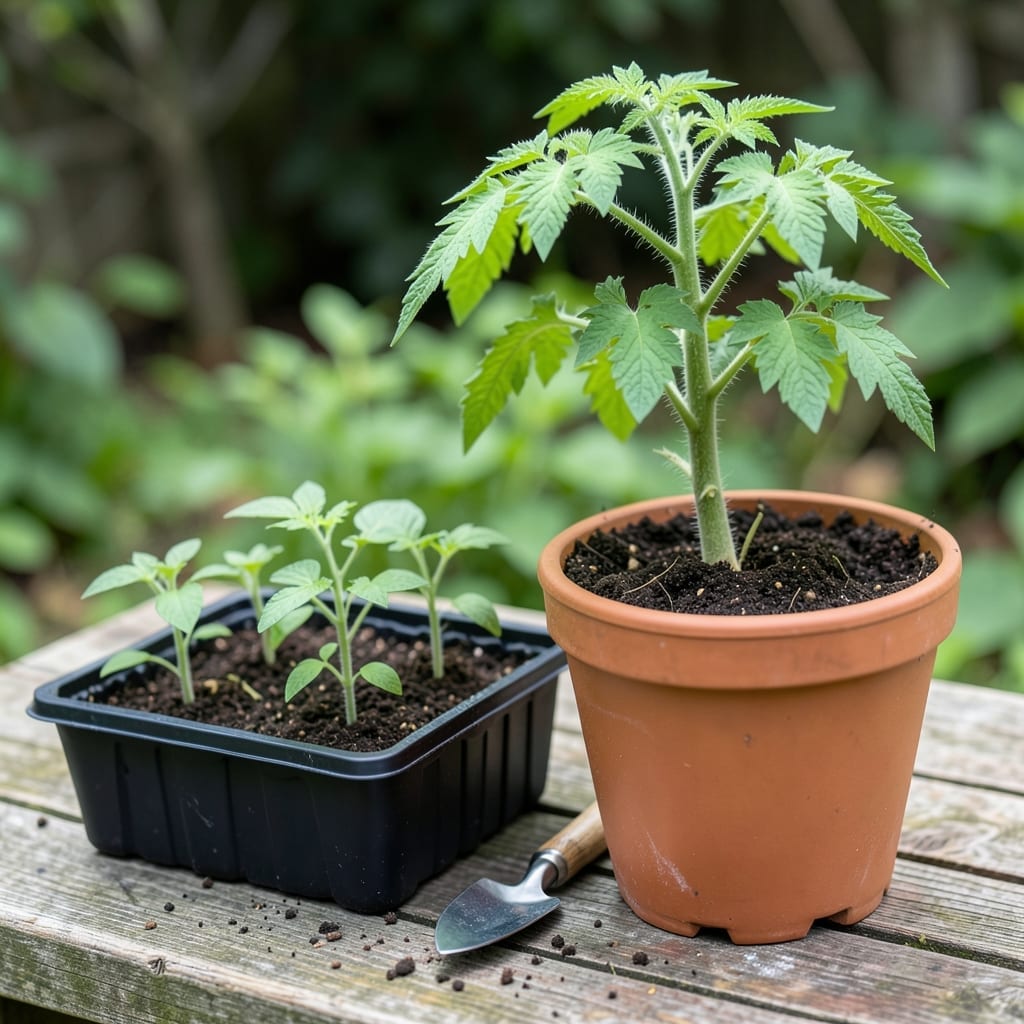
Knowing exactly when to move your 🌱 Seedlings can make or break their growth. Timing this step right sets the stage for strong roots and healthy plants.
I’ve seen too many gardeners rush this process, only to watch their young plants struggle. The difference between success and failure often comes down to a few key signs you shouldn’t ignore.
Discover how to spot those telltale indicators in your Seedlings and learn the best practices for a smooth transition to their new home.
Timing the move of your young seedlings is crucial for their survival. I always look for true leaves first—those second set that appear after the initial cotyledons. These indicate the plant is ready to photosynthesize effectively.
Another clear sign is root development. When roots start circling the bottom of the container or poking through drainage holes, your seedlings are begging for more space. This usually happens at 2-3 inches tall for most varieties.
| Sign | What to Look For | Why It Matters |
|---|---|---|
| True Leaves | 2-4 sets beyond cotyledons | Shows mature photosynthesis |
| Root Growth | Visible at drainage holes | Needs more space |
| Height | 2-3 inches tall | Strong enough to handle |
| Stem Thickness | Pencil-thin or thicker | Supports transplant stress |
| Vigor | Dark green, sturdy | Healthy growth indicator |
I also check for stem thickness. A sturdy, pencil-thick stem can handle the transplanting process much better than a spindly one. This usually develops alongside those true leaves we mentioned earlier.
The overall vigor of your seedlings speaks volumes. Look for dark green color and firm stems. If they’re leggy or pale, they need more light before moving, not more space.
Weather plays a huge role too. I never transfer seedlings outdoors until after the last frost date. For my Zone 6 garden, that’s typically April 15. Check your local frost dates for accuracy.
Soil temperature is another critical factor. Most vegetables need soil temps of at least 60°F. I use a simple soil thermometer to check this before transplanting.
Don’t overlook the hardening off process. About 7-10 days before transplanting, I start exposing seedlings to outdoor conditions gradually. This prevents shock from sudden environmental changes.
Remember that different plants have different needs. Tomato seedlings can be transferred when they’re about 6 inches tall, while pepper plants do best at 4-5 inches with several sets of true leaves.
Lastly, trust your instincts. If your seedlings look healthy, have good root development, and the weather is cooperative, they’re probably ready. The transplanting window is often wider than we think!
🌱Moving your seedlings outdoors requires careful planning to prevent transplant shock. I always begin by preparing the new location a week in advance, ensuring the soil is loose, fertile, and free of weeds.
The first step is hardening off your seedlings. About 7-10 days before transplanting, gradually expose them to outdoor conditions. Start with 1-2 hours of shade and increase daily.
When digging the holes, make them slightly larger than the root ball. This gives roots room to spread without bending. I use a hand trowel for precision, especially with delicate seedlings.
Watering before and after transplanting is crucial. Give your seedlings a deep drink an hour before moving, then water again immediately after planting to settle the soil and eliminate air pockets.
Always handle seedlings by their leaves, never the stem. The stem is fragile and can easily break, while leaves can recover from minor damage. This simple tip has saved many of my plants over the years.
After transplanting, keep the soil consistently moist but not soggy for the first week. I check daily and water in the early morning to reduce evaporation and prevent fungal issues.
🌱