
Beautiful Plants For Your Interior
Beautiful Plants For Your Interior
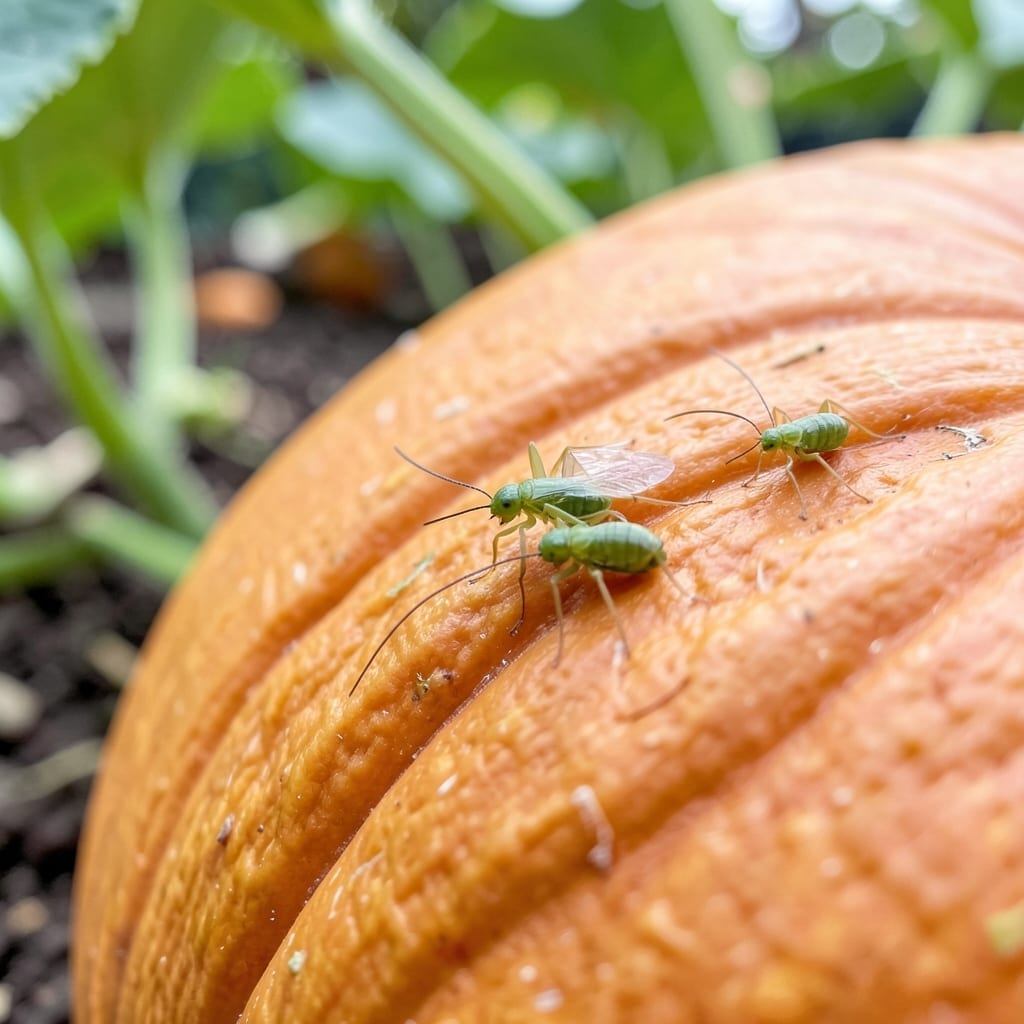
I spotted them first on my sugar pie pumpkins—tiny green dots clustering on new growth. 🌱 These pests multiply fast, curling leaves and spreading disease if left unchecked.
Here’s the thing—aphids love pumpkins because they’re soft targets. They pierce stems to suck plant juices, stunting growth and attracting ants. I lost 3 pumpkins my first season before learning organic controls.
Neem oil spray works wonders, as does a strong blast from the hose. Ladybugs are your best allies for prevention. Within 2 weeks, you’ll see healthier vines and fewer pests.
Works for all pumpkin varieties, from jack-o’-lanterns to pie types. Early action saves your harvest.
Aphids flock to pumpkin plants for several key reasons, often tied to environmental conditions and plant health. Understanding these causes helps you prevent and manage outbreaks effectively.
Excess nitrogen in soil promotes lush, soft leaf growth—aphids’ favorite food. Pumpkins fertilized heavily with nitrogen-rich products (like fresh manure or synthetic blends) produce tender new shoots that aphids target. Action: Balance soil nutrients with phosphorus and potassium to strengthen plant cells and deter pests.
Both drought and waterlogged roots stress pumpkin plants, weakening their natural defenses. Stressed plants emit chemical signals that attract aphids. Action: Maintain consistent moisture with drip irrigation and ensure good drainage to avoid creating aphid magnets.
Monoculture gardens (e.g., large pumpkin patches without companion plants) lack natural predators like ladybugs or lacewings that keep aphid populations in check. Action: Interplant with repellent herbs (e.g., basil, mint) or flowers (e.g., marigolds) to disrupt aphid colonization.
Aphids thrive in temperatures between 60–80°F (15–27°C) with low humidity. These conditions accelerate their reproduction, leading to rapid infestations on pumpkin vines. Action: Use row covers early in the season to block aphids, especially during warm spells.
Dealing with aphids on your pumpkin plants doesn’t have to be a losing battle. Below are practical, organic solutions to tackle each common cause, along with prevention tips to keep your garden thriving.
Overcrowding creates a perfect hiding spot for aphids. Fix it by thinning out seedlings to ensure proper airflow. Space pumpkin plants at least 3–5 feet apart. This reduces humidity around the leaves, making it harder for aphids to settle.
Prevention tip: 💡 Plan your garden layout in advance to avoid overplanting.
Aphids love damp conditions. If your pumpkins are waterlogged, switch to drip irrigation to keep foliage dry. Water early in the day so leaves have time to dry out. Ensure your soil drains well to prevent standing water.
Prevention tip: 🌡️ Use mulch to retain soil moisture without overwatering.
Natural predators like ladybugs, lacewings, and parasitic wasps keep aphid populations in check. Attract them by planting companion flowers like marigolds, alyssum, or dill nearby. You can also purchase ladybugs from garden centers for a quick boost.
Prevention tip: ✨ Avoid broad-spectrum pesticides that harm beneficial insects.
For small aphid clusters, mix 1 tablespoon of mild liquid soap with 1 quart of water and spray directly on the pests. The soap disrupts their cell membranes, causing them to dehydrate. Reapply every 2–3 days until they’re gone.
Prevention tip: 🎯 Inspect plants weekly to catch infestations early.
If aphids have taken over, neem oil is a powerful organic solution. Mix 2 tablespoons of neem oil with 1 gallon of water and a teaspoon of soap (as an emulsifier). Spray thoroughly, focusing on the undersides of leaves. Neem oil disrupts aphid feeding and reproduction.
Prevention tip: 🔥 Apply neem oil in the evening to avoid harming pollinators.
Look for clusters of tiny green, black, or yellow bugs on new growth and leaf undersides. They often leave behind sticky residue called honeydew, which attracts ants.
Chemical pesticides can harm beneficial insects and pollinators. Instead, use neem oil or insecticidal soap for organic control. Always apply in the evening to protect bees.
Companion plants like marigolds, basil, and mint deter aphids. These also attract predator insects like ladybugs, which feed on the pests.
Inspect plants at least once a week, especially during warm, dry weather. Early detection means easier control with methods like soapy water sprays.