
Beautiful Plants For Your Interior
Beautiful Plants For Your Interior
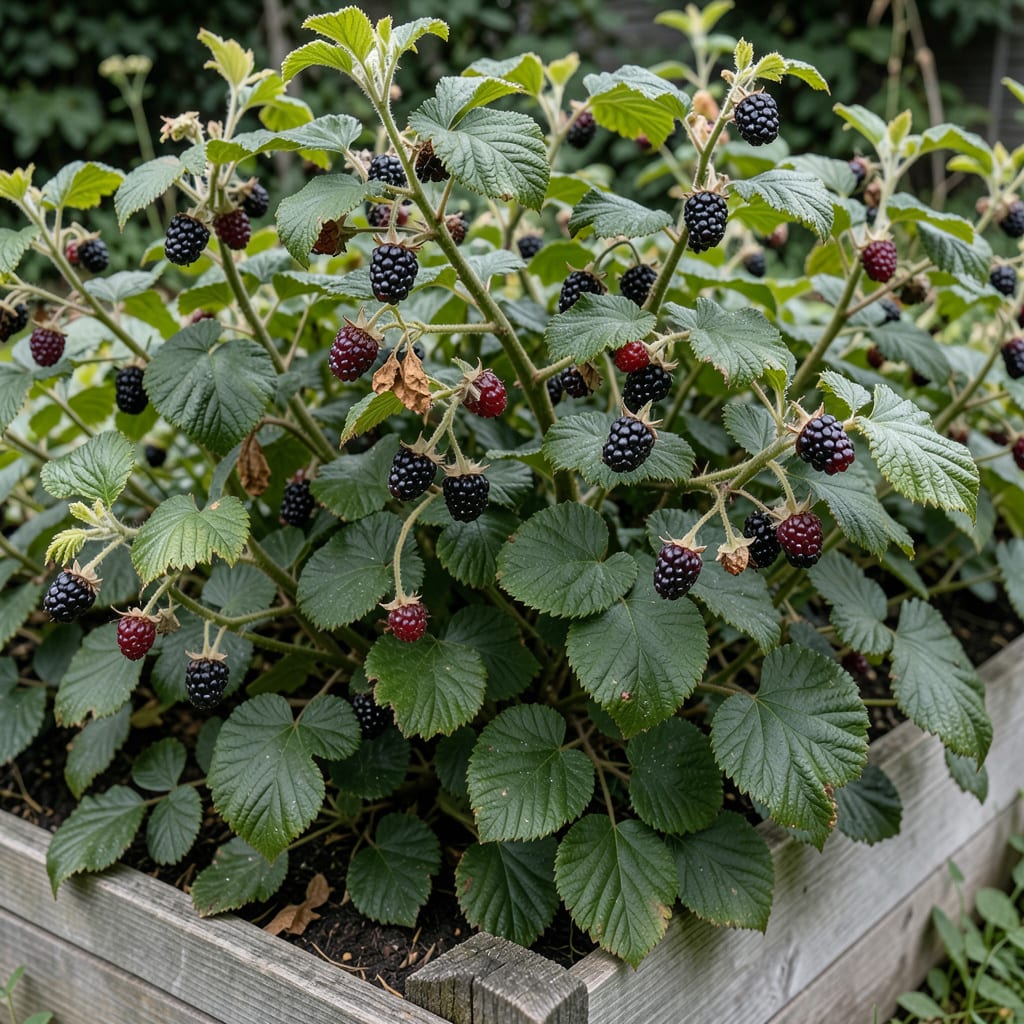
First time I saw my blackberry leaves curl, I panicked. It’s not just unsightly—it’s your bush crying for help.
Curling leaves usually signal stress from pests, disease, or environmental conditions. The good news is most causes are fixable with simple adjustments to watering, soil, or plant care.
I’ve saved countless bushes by catching the early signs: yellowing edges, stunted growth, or that telltale tight spiral. The fixes often take less than a week to show improvement.
With the right approach, you’ll have healthy, productive canes again. No fancy tools or chemicals required—just observation and consistent care.
Blackberry bush leaves curl due to a mix of environmental stressors, pests, and diseases. Here’s a breakdown of the most common causes and the science behind them:
High temperatures and inconsistent watering disrupt the plant’s osmotic balance. When soil moisture fluctuates, roots struggle to absorb water, leading to turgor loss in leaves. This causes edges to curl upward as a survival mechanism to reduce surface area and minimize water loss through transpiration.
Aphids, spider mites, and thrips are notorious for sucking sap from blackberry leaves. Their feeding damage triggers cellular collapse, while their salivary toxins induce abnormal growth, resulting in curled or distorted foliage. Check undersides of leaves for tiny insects or webbing.
Pathogens like Verticillium or Xylella fastidiosa clog the plant’s vascular system, restricting water and nutrient flow. Leaves curl as cells die from lack of resources. Wet, humid conditions exacerbate fungal spread, while bacterial leaf scorch often starts with yellowing before curling.
Low levels of magnesium (central leaf yellowing with curled edges) or potassium (brown, crispy leaf margins) impair photosynthesis and cell function. Soils with poor organic matter or high pH often lack these essential nutrients, forcing leaves to deform as they starve.
Don’t let curling leaves ruin your blackberry harvest! Here’s how to tackle the most common causes with simple, organic solutions.
Fix: Spray leaves with neem oil or insecticidal soap (1 tbsp per gallon of water) every 3–5 days until pests like aphids or mites are gone. Focus on the undersides of leaves where they hide. For severe cases, introduce beneficial insects like ladybugs.
Prevention: Inspect plants weekly and remove weeds that harbor pests. Use row covers early in the season to block invaders.
Fix: Water deeply at the base (1–2 inches per week) during dry spells, avoiding overhead sprinkling to prevent fungal issues. Mulch with straw to retain moisture.
Prevention: Install a drip irrigation system for consistent hydration. Check soil moisture 2 inches down—if it’s dry, it’s time to water.
Fix: Prune and destroy infected leaves or canes immediately. Apply a copper fungicide or baking soda spray (1 tsp baking soda + 1 quart water + a drop of dish soap) every 7–10 days.
Prevention: Space plants 3–4 feet apart for airflow. Avoid wetting leaves when watering, and clean up fallen debris to reduce spores.
Fix: Shield bushes from harsh winds with a barrier or relocate potted plants to a sheltered spot. If heat is the culprit, provide afternoon shade and increase watering.
Prevention: Plant in a location with partial shade in hot climates. Use shade cloth during heatwaves to protect foliage.
Fix: Test soil pH (ideal: 5.5–6.5). Amend with compost or a balanced organic fertilizer (10-10-10). For magnesium deficiency, add Epsom salt (1 tbsp per gallon of water) as a foliar spray.
Prevention: Feed bushes annually in early spring with aged compost. Avoid over-fertilizing, which can burn roots.
Pro Tip 💡: Always sterilize pruning tools with rubbing alcohol between cuts to prevent spreading disease!
Inspect your bushes weekly, focusing on leaf undersides where aphids and mites hide. Early detection prevents severe damage.
Mild cases may improve with consistent watering and shade, but severe curling from pests or disease typically needs treatment to recover.
Use a foliar spray of Epsom salt for magnesium or a balanced 10-10-10 fertilizer. Results often appear within 5-7 days.
Yes, neem oil is organic and safe for blackberries when used as directed. Always spray in the evening to avoid harming beneficial insects.
