
Beautiful Plants For Your Interior
Beautiful Plants For Your Interior
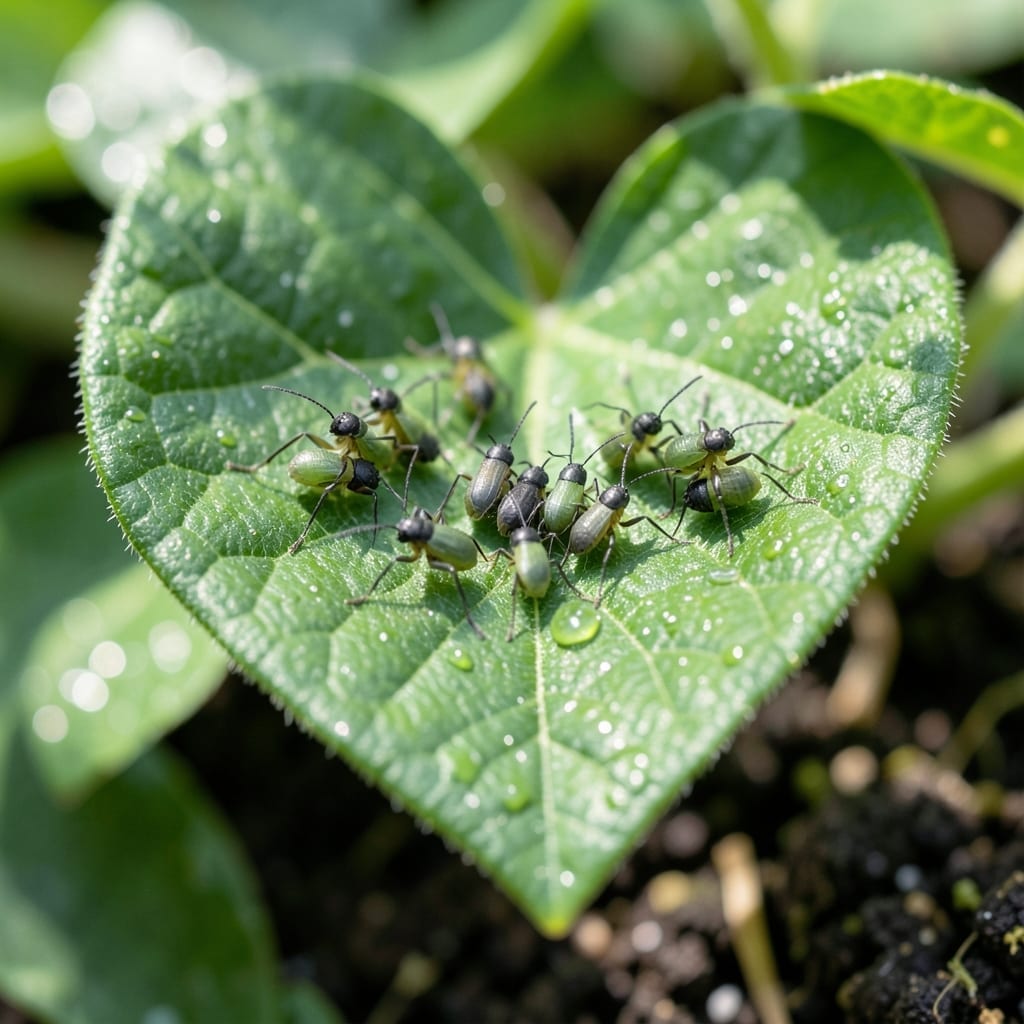
Tiny green invaders can turn your morning glory vines into a sticky mess overnight. I’ve watched aphids multiply faster than I can count, but there’s a better way than panicking with harsh chemicals.
These pests thrive on new growth, sucking the life out of tender shoots and leaving behind a trail of damage. The good news? Organic fixes work fast and keep your healthy vines producing those vibrant blooms all season.
With a few simple sprays and smart habits, you’ll see aphids disappear within 48 hours. Your morning glories will bounce back stronger, and you’ll avoid the cycle of reinfestation.
Works for trellises, containers, or garden beds. Let’s reclaim your vines without the guilt of toxic solutions.
Aphids are drawn to morning glory plants for several biological and environmental reasons. Understanding these causes can help you prevent and manage infestations effectively.
Morning glory vines produce a high concentration of sugary sap, which is a primary food source for aphids. Their piercing mouthparts allow them to tap into the phloem, extracting nutrients while weakening the plant. The more lush and healthy the vine, the more attractive it is to these pests.
Aphids prefer young, tender shoots and leaves, which morning glories produce in abundance during their rapid growth phases. These soft tissues are easier to penetrate, making new growth a prime target for colonization.
Warm, dry weather and over-fertilization (especially with nitrogen) can create ideal conditions for aphid outbreaks. Morning glories thrive in full sun, but these same conditions can stress the plant, making it more susceptible to pests. Additionally, overcrowded plantings reduce airflow, creating a humid microclimate that aphids love.
When beneficial insects like ladybugs, lacewings, or parasitic wasps are absent, aphid populations can explode unchecked. Pesticide use or a lack of biodiversity in the garden can disrupt these natural controls, leaving morning glories vulnerable.
Dealing with aphids on your morning glories doesn’t have to be a losing battle. Here’s how to tackle each common cause with simple, effective fixes—and keep those pests from coming back.
Too many vines packed together create a humid, aphid-friendly zone. Thin out dense foliage to improve airflow and reduce hiding spots. Space new plantings at least 12–18 inches apart. This small change makes a big difference in prevention.
Aphids love soggy soil and damp leaves. Water at the base of the plant early in the morning so leaves dry quickly. Use drip irrigation if possible. If your soil stays wet, check drainage and consider amending it with compost.
Ladybugs, lacewings, and hoverflies are aphids’ worst enemies. Plant companion flowers like marigolds, yarrow, or cosmos nearby to attract them. Avoid broad-spectrum pesticides—they kill the good bugs too!
💡 Pro tip: You can also buy ladybugs from garden centers for a quick boost.
For a fast knockdown, mix 1 tablespoon of mild liquid soap (like castile) with 1 quart of water. Spray directly on aphids—focus on the undersides of leaves where they hide. Reapply every 4–5 days until they’re gone.
✨ Important: Test on a small area first to avoid damaging sensitive plants.
Check the undersides of leaves and new growth for clusters of tiny green or black insects. Look for sticky residue (honeydew) or curled leaves as early warning signs.
Mild soap solutions are safe if used correctly. Always mix 1 tablespoon per quart of water and test on a few leaves first. Avoid harsh detergents.
Plant companion flowers like marigolds to attract predators, maintain good airflow, and remove plant debris in fall. These methods work best together.