
Beautiful Plants For Your Interior
Beautiful Plants For Your Interior
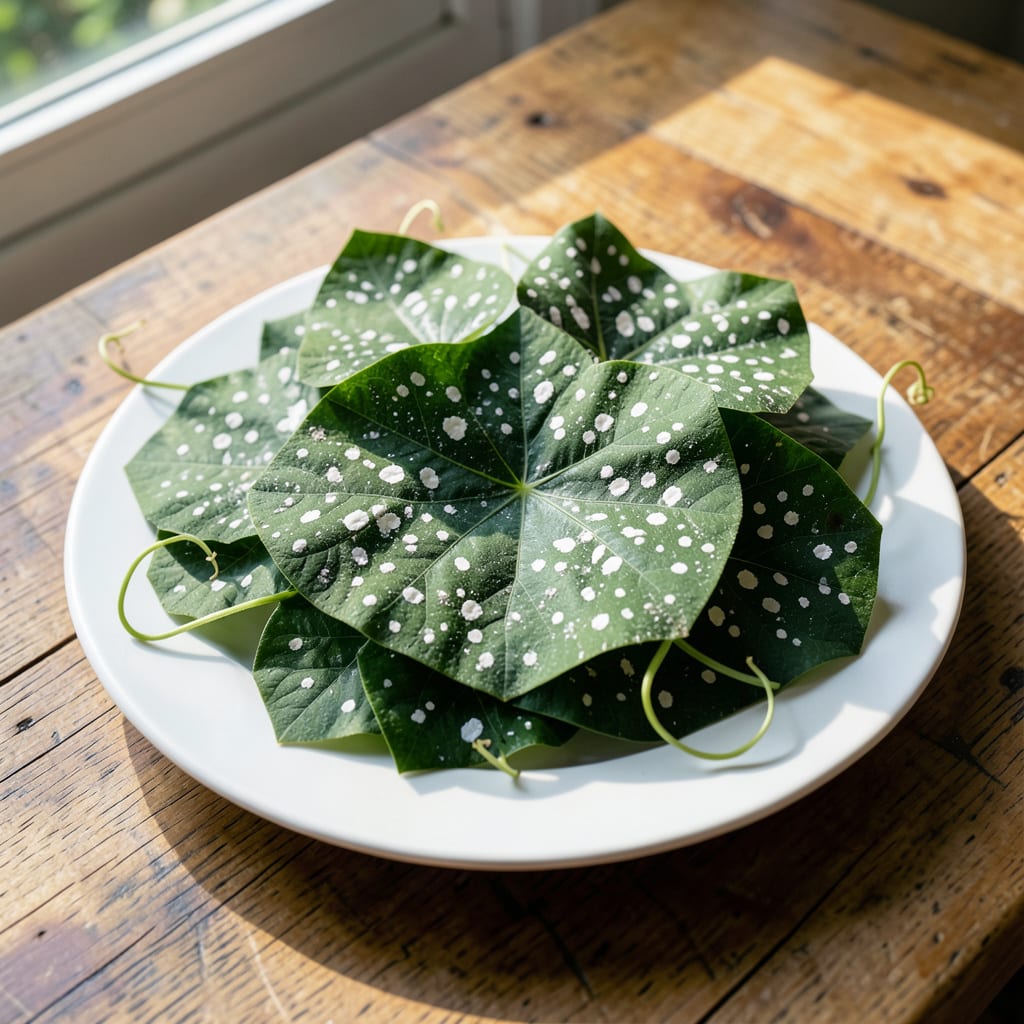
White spots on morning glory leaves ruined my summer display last year. I spent weeks watching the damage spread, unsure what was causing it or how to stop it.
Turns out, most white spots come from fungal infections or pests that thrive in warm, humid conditions. The good news is that natural solutions work just as well as chemical treatments—and they’re safer for your plants.
With the right approach, you can clear up existing spots and prevent new ones from forming. Your morning glories will rebound with vibrant green leaves and bold blooms in no time.
Here’s how to identify the problem, treat it effectively, and keep your garden healthy all season long.
White spots on morning glory leaves can stem from several underlying issues, often tied to environmental stress or pathogens. Below are the most common causes, explained with actionable insights.
Powdery mildew (Erysiphe spp.) and downy mildew (Peronospora spp.) are frequent culprits. These fungi thrive in humid, poorly ventilated conditions, forming white, powdery or downy patches on leaf surfaces. Spores spread via wind or water splashes, infecting healthy foliage. Reducing overhead watering and improving airflow can curb their growth.
Spider mites and whiteflies feed on sap, leaving behind stippled white dots or webbing. Their piercing mouthparts damage leaf cells, creating a speckled appearance. Check leaf undersides for tiny pests or sticky residue (honeydew). Neem oil sprays or insecticidal soap can disrupt their life cycles.
Excessive sunlight or water droplets magnifying UV rays (like after overhead irrigation) can scorch leaves, causing localized white or tan spots. Morning glories prefer partial shade in hot climates. Adjust watering schedules to early morning to prevent leaf burn.
Calcium or magnesium deficiencies may manifest as interveinal chlorosis (white or yellow patches between veins). This often occurs in acidic or nutrient-poor soils. A balanced, slow-release fertilizer or foliar spray with Epsom salt (for magnesium) can correct imbalances.
White spots on morning glory leaves can be frustrating, but the good news is that they’re often treatable. Below are targeted solutions based on the most common causes, along with prevention tips to keep your plants thriving. 🌿✨
Fix: Remove infected leaves immediately to stop the spread. Spray the plant with a mix of 1 teaspoon baking soda + 1 quart water + a few drops of dish soap every 5–7 days. For stubborn cases, use a copper-based fungicide (follow label instructions).
Prevention: Improve air circulation by spacing plants 12–18 inches apart. Water at the base (not overhead) in the morning so foliage dries quickly. Pro tip: Thin out dense growth to reduce humidity around leaves.
Fix: Blast pests off with a strong stream of water. Apply neem oil or insecticidal soap every 3–4 days until they’re gone. For severe infestations, introduce beneficial insects like ladybugs.
Prevention: Inspect leaves weekly (especially undersides) for early signs. Keep the garden weed-free to eliminate pest hiding spots.
Fix: Move potted morning glories to a spot with dappled shade during peak afternoon sun. If spots are from hard water, switch to rainwater or distilled water for misting.
Prevention: Acclimate plants gradually to full sun. Use a mulch layer to retain soil moisture and prevent water droplets from sitting on leaves.
Fix: Test soil pH (aim for 6.0–6.8). Amend with compost or a balanced fertilizer (10-10-10) if nitrogen or magnesium is lacking. Yellowing + spots? Try a foliar spray of Epsom salt (1 tablespoon per gallon of water).
Prevention: Feed morning glories monthly during growing season. Rotate crops yearly to avoid soil depletion.
Yes, fungal spores can travel via wind or water splashes to nearby plants. Isolate affected morning glories immediately and avoid touching healthy foliage after handling infected leaves.
With consistent application, natural remedies like neem oil or baking soda sprays often show improvement in 7-10 days. Severe cases may require 2-3 weeks of treatment.
Existing damage won’t heal, but new growth will emerge healthy. Remove severely spotted leaves to redirect energy to fresh foliage. The plant will rebound with proper care.
Chemical options work faster but may harm beneficial insects. Always follow label instructions and apply during cool, cloudy periods to prevent leaf burn.
