
Beautiful Plants For Your Interior
Beautiful Plants For Your Interior
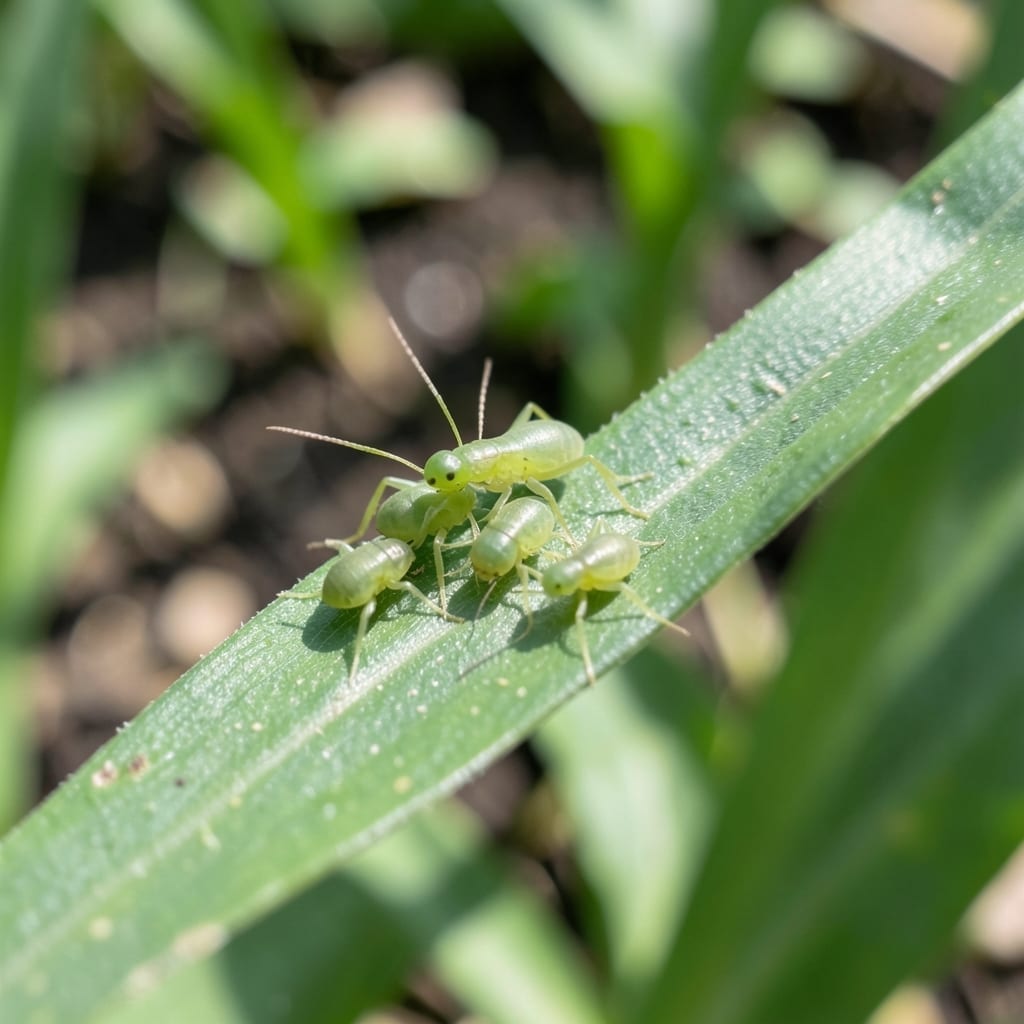
Daylilies should be thriving, not hosting a tiny green party. I spotted my first aphid cluster last June—sticky leaves and curled blooms were the giveaway.
Here’s the thing—aphids multiply fast but they’re weak opponents. A strong blast from the hose knocks most off immediately. Neem oil or insecticidal soap finishes the job without chemicals.
Your plants bounce back within 48 hours once the pests are gone. The blooms return brighter, the leaves unfurl, and you avoid the sooty mold that follows aphid damage.
Works for any daylily variety, in any climate. Let’s send them packing.
Aphids thrive on daylilies due to a mix of environmental and plant-specific factors. Understanding these triggers helps prevent future outbreaks and keeps your garden vibrant. Here’s why they appear:
Excess nitrogen in soil promotes soft, tender new growth—aphids’ favorite food. Daylilies fertilized heavily with high-nitrogen blends (e.g., 10-5-5) become prime targets. Aphids detect these nutrient-rich shoots and multiply rapidly. Action: Balance fertilization with phosphorus and potassium to toughen plant tissues.
Both drought and waterlogged soil stress daylilies, weakening their natural defenses. Stressed plants emit volatile organic compounds (VOCs) that attract aphids. Additionally, overwatering creates humid microclimates where aphids breed unchecked. Action: Maintain consistent moisture with well-draining soil.
Monoculture gardens (e.g., large daylily-only beds) lack predatory insects like ladybugs or lacewings that control aphid populations. Aphids also spread faster when host plants are clustered. Action: Interplant with aphid-repellent species (e.g., marigolds, garlic) to disrupt their lifecycle.
Aphids explode in populations during spring and early summer when temperatures hover between 65–80°F (18–27°C). Daylilies’ fresh foliage in this window is irresistible. Action: Monitor plants closely during these seasons and act at the first sign of curling leaves or sticky honeydew.
Tackling aphids on your daylilies doesn’t have to be a hassle. Here are practical, easy-to-follow solutions for common causes, along with tips to keep these pests from coming back.
Aphids thrive in dense, humid conditions. Trim overgrown foliage to improve airflow and reduce hiding spots. Space daylilies at least 18–24 inches apart so sunlight and breeze can reach the center of the plant. This simple step often disrupts aphid colonies before they take hold.
Stressed daylilies attract more pests. Strengthen them with a balanced fertilizer (10-10-10) applied in early spring. Water at the base—not the leaves—to avoid creating damp surfaces where aphids love to feed. Healthy plants can better fend off infestations naturally.
Ladybugs, lacewings, and parasitic wasps are aphids’ worst enemies. Attract them by planting companion flowers like marigolds, yarrow, or dill nearby. For a quick fix, purchase live ladybugs from a garden center and release them at dusk when they’re less likely to fly away.
Mix 1 teaspoon of mild liquid soap (like Castile) with 1 quart of water in a spray bottle. Apply directly to aphid clusters, focusing on the undersides of leaves. Reapply every 2–3 days for a week. The soap breaks down their protective coating, causing them to dehydrate and die.
💡 Prevention Tip: Inspect daylilies weekly for early signs of aphids—curled leaves or sticky residue (honeydew). Catch them early, and you’ll avoid bigger battles later.
Inspect daylilies at least once a week during spring and summer. Look for curled leaves or sticky honeydew. Early detection prevents major infestations.
Yes, but choose a mild, unscented dish soap. Mix 1 teaspoon with 1 quart of water. Avoid harsh soaps that may damage leaves.
Ladybugs, lacewings, and parasitic wasps are highly effective. Attract them with companion plants like marigolds or dill.
Yes, overwatering creates humid conditions where they thrive. Water at the base and ensure good drainage.