
Beautiful Plants For Your Interior
Beautiful Plants For Your Interior
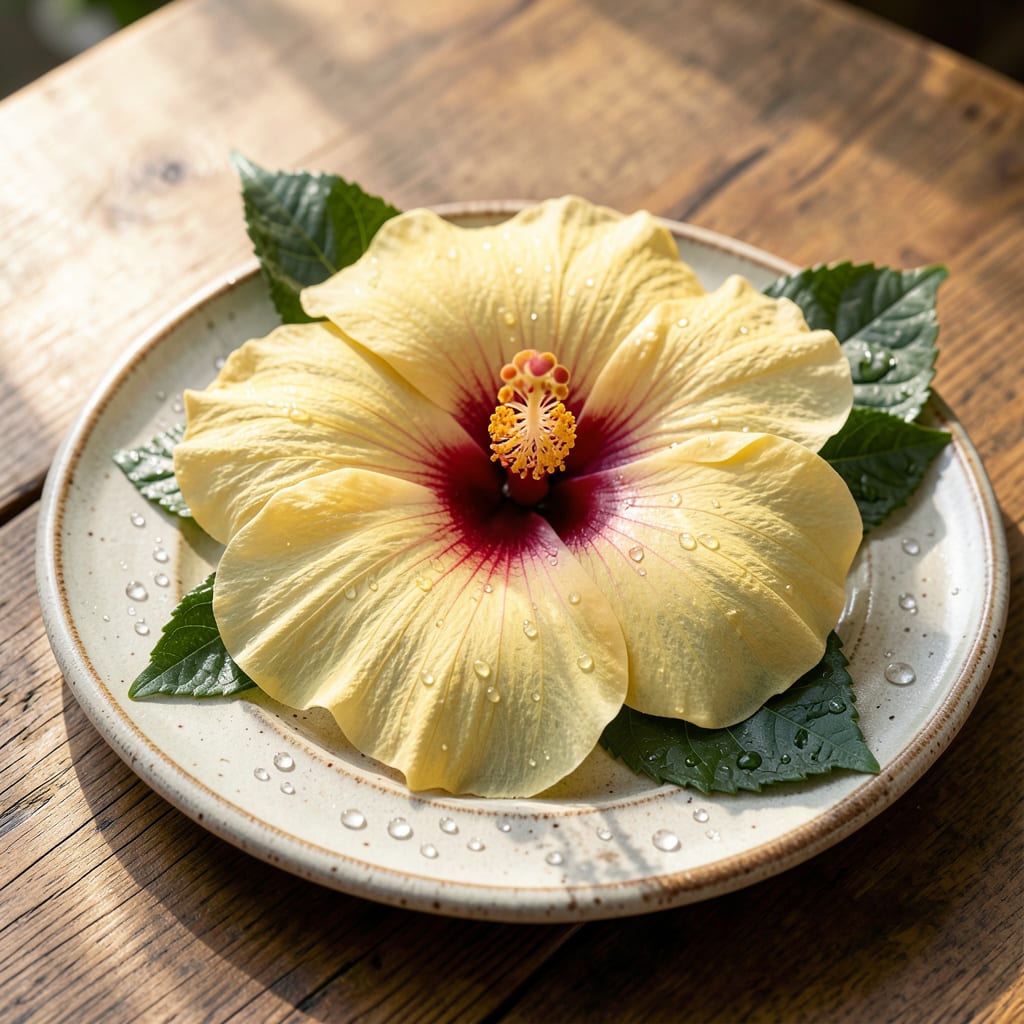
This cheerful bloom stops visitors in their tracks. 🌟 The bold yellow petals with that deep red center create a color combination that screams summer—no other flower grabs attention quite like it.
Here’s the thing—it’s easier to grow than it looks. Give it full sun, well-draining soil, and regular water, and you’ll have vibrant blooms from mid-summer through fall.
📚 In This Guide
This variety thrives with minimal fuss if you follow these proven techniques.
Choose a spot with full sun to partial shade—hibiscus performs best with at least 6-8 hours of direct sunlight daily. The yellow blooms with red centers will be most vibrant in brighter conditions. Avoid low-lying areas where cold air or water might pool, as this can stress the plant.
Soil should be well-draining but rich in organic matter. I always amend the planting area with compost to improve fertility. A slightly acidic to neutral pH (6.0-7.0) is ideal—test your soil if you’re unsure, as hibiscus can struggle in alkaline conditions.
Dig a hole twice as wide as the root ball and just as deep. This gives the roots room to spread without sinking the plant too low. Place the hibiscus in the hole, ensuring the top of the root ball sits 1-2 inches above the surrounding soil to prevent waterlogging.
Space multiple plants 3-4 feet apart to allow for air circulation and future growth. Backfill with native soil mixed with compost, then water deeply to settle the soil around the roots. I’ve found that mulching with 2-3 inches of organic mulch helps retain moisture without suffocating the base.
Water newly planted hibiscus 2-3 times per week for the first 4-6 weeks, keeping the soil consistently moist but not soggy. Once established, reduce to 1-2 times weekly, depending on rainfall and heat. The key is to water deeply—shallow watering encourages weak root systems.
Check soil moisture by sticking your finger 1-2 inches into the soil. If it feels dry, it’s time to water. Yellowing leaves often signal overwatering, while wilting indicates thirst. Here’s the thing—hibiscus is drought-tolerant once mature but blooms best with steady moisture.
Use a balanced, water-soluble fertilizer (10-10-10 or 20-20-20) every 2-4 weeks during the growing season. I switch to a low-nitrogen, high-phosphorus formula (7-9-5) just before the blooming period to encourage more flowers. Always follow package instructions for dilution rates.
Apply fertilizer in the early morning to prevent leaf burn from the sun. If you notice excessive leafy growth with few blooms, cut back on nitrogen. Real talk: over-fertilizing does more harm than good—stick to the recommended schedule.
Prune in early spring before new growth starts. Remove dead or crossing branches first, then shape the plant by cutting back one-third of the previous year’s growth. This stimulates fresh, flowering stems and maintains an open center for better air circulation.
Deadhead spent blooms regularly to encourage continuous flowering. Use sharp, clean pruners to make cuts at a 45-degree angle just above a leaf node. Don’t skip this (I learned the hard way)—neglected pruning leads to a leggy, unproductive plant.
Small details make the difference between a struggling plant and a showstopping bloomer.
Sunlight Strategy: That 6-8 hours of direct sunlight in Step 1 isn’t just a suggestion—it’s the secret to vibrant yellow blooms with striking red centers. I’ve seen plants in partial shade produce fewer, paler flowers. If your garden only gets morning sun, prioritize east-facing spots over west-facing ones.
Soil pH Hack: The 6.0-7.0 pH range mentioned in Step 1 is critical. Here’s what nobody tells you—hibiscus leaves will yellow between the veins if the soil is too alkaline. A simple soil test kit costs $10 and saves you months of troubleshooting.
Planting Depth Wisdom: In Step 2, that 1-2 inches above surrounding soil rule prevents the dreaded “wet feet” that kills more hibiscus than anything else. I learned this the hard way after losing three plants to root rot. Trust me on this.
Pruning Precision: When Step 5 says to cut at a 45-degree angle, it’s not just for aesthetics—this angle prevents water from pooling on the cut surface, which can lead to fungal issues. Always make your cuts just above a leaf node to encourage bushier growth.
Water regularly, ensuring well-draining soil, and provide full sun (6+ hours daily). Prune in early spring to encourage blooming. Fertilize monthly with a balanced formula during growing season.
Most yellow-and-red hibiscus bloom from late spring to fall, with peak flowers in summer. Deadhead spent blooms to promote continuous flowering.
Yes! Choose a large pot (12+ inches) with drainage holes. Use potting mix for tropical plants and move indoors before frost in colder climates.
Check for insufficient sunlight, over-fertilizing (especially high nitrogen), or water stress. Ensure the plant isn’t root-bound and adjust care as needed.
Try Hibiscus rosa-sinensis ‘Sunset’ or ‘Peach Perfect’ for comparable yellow-red contrasts. Both thrive in similar conditions.
