
Beautiful Plants For Your Interior
Beautiful Plants For Your Interior
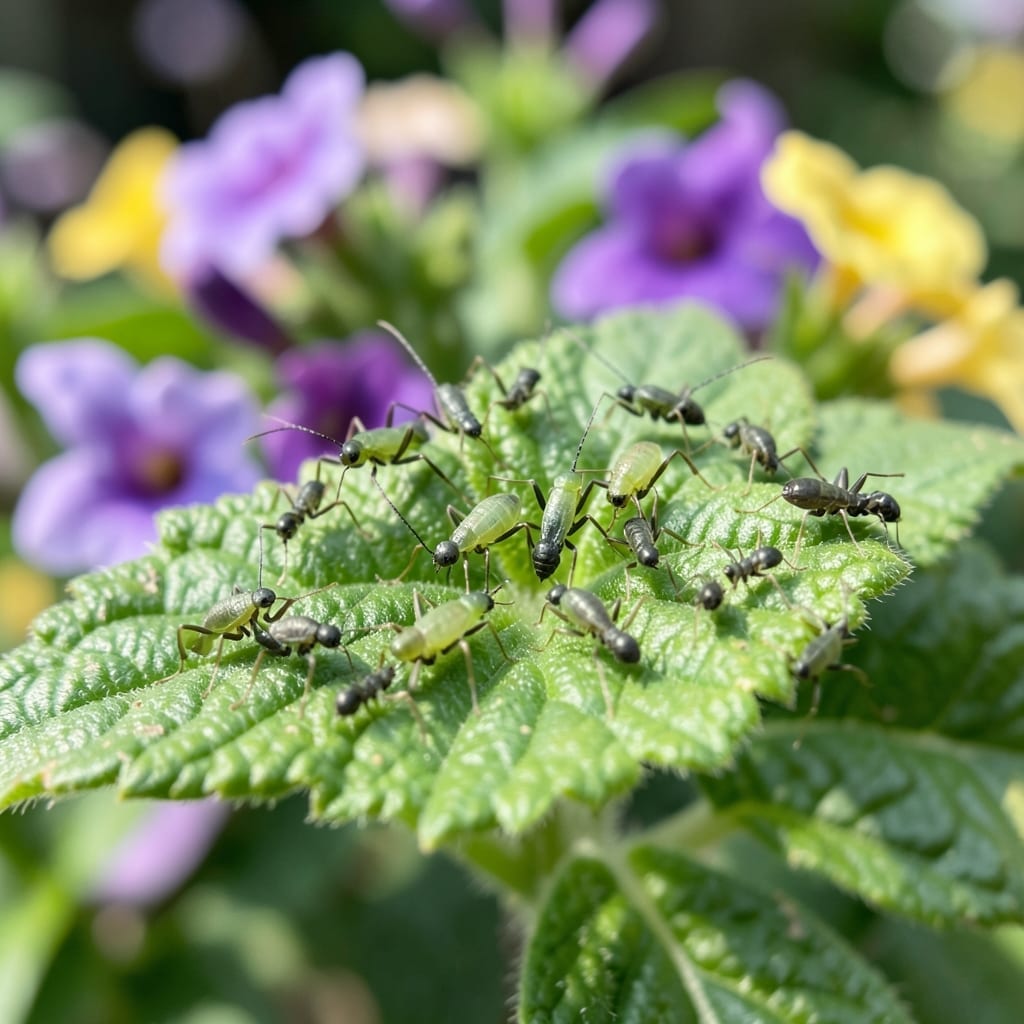
Tiny green invaders on your calibrachoa can ruin a perfect hanging basket overnight. I’ve lost count of how many times I’ve spotted those cursed aphids clustering on new growth, sucking the life out of what should be vibrant blooms.
Here’s the thing—aphids target calibrachoa because they love the soft, new leaves. But you don’t need harsh chemicals to fight back. A strong blast of water dislodges most, and a simple soap solution finishes the job.
Within 48 hours, you’ll see the difference. Plants bounce back fast when you act early, and the blooms return even brighter. No fancy tools, just consistent checks.
Prevention is simpler than cure. Healthy plants, good airflow, and regular inspections keep them from coming back. This method works every time.
Aphids thrive on Calibrachoa due to a mix of environmental, biological, and cultural factors. Understanding these triggers helps you prevent outbreaks before they start.
High-nitrogen fertilizers promote lush, soft growth—aphids’ favorite food. Calibrachoa grown with excess nitrogen develop tender new shoots that lack the natural defenses (like tougher cell walls) to deter pests. Action: Switch to a balanced, slow-release fertilizer (e.g., 10-10-10) and avoid over-feeding during peak growing seasons.
Overhead watering creates damp foliage, which aphids adore for breeding. Meanwhile, drought-stressed plants emit chemical signals that attract aphids seeking weak hosts. Action: Water at the base of the plant in the morning to allow foliage to dry quickly, and maintain consistent soil moisture.
Aphids multiply rapidly when their natural enemies—like ladybugs, lacewings, or parasitic wasps—are absent. Calibrachoa grown in isolated containers or monocultures often lack these predators. Action: Plant companion species (e.g., Alyssum, Dill) to attract beneficial insects, or introduce purchased ladybugs.
Aphids reproduce fastest in temperatures between 65–80°F (18–27°C) with high humidity. Calibrachoa in greenhouses or crowded garden beds are especially vulnerable. Action: Improve airflow with spacing or fans, and avoid overcrowding plants to reduce humidity pockets.
Tackling aphids on your calibrachoa doesn’t have to be a battle. Start with the simplest solutions and escalate only if needed. Below are practical, step-by-step fixes for every level of infestation, plus tips to keep these pests from returning.
For small clusters, a strong spray of water from a garden hose can dislodge aphids and wash them away. Do this early in the day so foliage dries quickly, reducing the risk of fungal issues. Pro tip: 💡 Repeat every 2-3 days until the plants are aphid-free.
Mix 1 teaspoon of mild liquid soap (like castile soap) with 1 quart of water and spray it directly onto the aphids. The soap breaks down their protective outer layer, causing them to dehydrate. Important: Test on a small area first to ensure it doesn’t harm your calibrachoa. Reapply every 4-5 days as needed.
Encourage or introduce beneficial insects like ladybugs, lacewings, or parasitic wasps. These predators feast on aphids and provide long-term control. Purchase them from garden centers or attract them by planting companion flowers like marigolds or alyssum. ✨ Prevention tip: Avoid broad-spectrum pesticides, as they kill helpful insects too.
For stubborn cases, use neem oil, a natural insecticide that disrupts aphids’ life cycles. Mix 2 tablespoons of neem oil with 1 gallon of water and a few drops of dish soap (as an emulsifier). Spray thoroughly, covering both sides of leaves. Apply in the evening to avoid harming pollinators, and reapply every 7-10 days.
Look for clusters of tiny green or black bugs on new growth or under leaves. You may also notice curled leaves or sticky residue (honeydew) on the plant.
Mild soap solutions are safe if mixed correctly—use 1 teaspoon per quart of water. Always test on a small area first and avoid harsh detergents.
Plant companion flowers like marigolds to attract beneficial insects. Also, improve airflow and avoid over-fertilizing with nitrogen.
Early morning or late evening is ideal, especially for neem oil. This protects pollinators and allows foliage to dry before nightfall.