
Beautiful Plants For Your Interior
Beautiful Plants For Your Interior
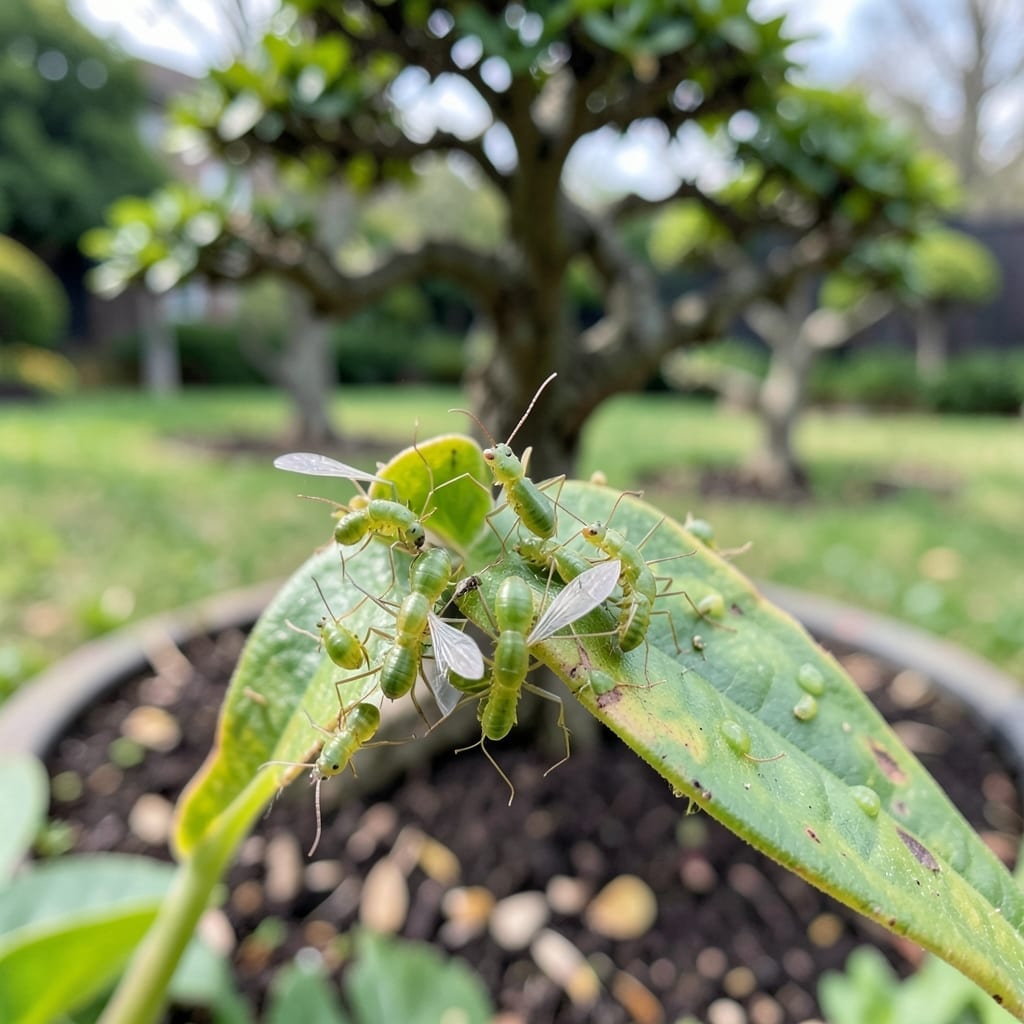
Tiny green invaders can wreck your bonsai in days. I’ve lost count of how many miniature forests I’ve saved from these pests with a simple, chemical-free approach.
They cluster on new growth, sucking vitality from your tree. The good news? Aphids are weak opponents when you know their weaknesses. A strong spray of water dislodges them instantly.
Follow up with neem oil or insecticidal soap, and they won’t stand a chance. Your bonsai recovers fast, with leaves regaining their deep green within a week.
Prevention is easier than cure—keep your tree healthy and inspect it weekly. This method works every time.
Aphids thrive on bonsai due to a combination of environmental, biological, and cultural factors. Understanding these causes helps prevent and manage outbreaks effectively.
Bonsai with dense foliage or weakened health are prime targets. Aphids are drawn to new, tender growth, which is rich in nutrients. Over-fertilizing (especially with nitrogen) can create an abundance of soft shoots, while under-fertilizing weakens the tree’s natural defenses. Prune regularly to improve airflow and reduce hiding spots for pests.
Inconsistent moisture levels stress bonsai, making them more susceptible. Overwatering creates humid conditions that aphids love, while underwatering weakens the plant’s resistance. Aim for even, moderate watering—allow the topsoil to dry slightly between sessions to discourage infestations.
In outdoor settings, aphids are often controlled by beneficial insects like ladybugs, lacewings, or parasitic wasps. Indoor bonsai or those treated with broad-spectrum pesticides lack these predators, allowing aphid populations to explode. Introduce natural enemies or use targeted organic sprays to restore balance.
Aphids reproduce rapidly in warm (60–80°F/15–27°C) and humid environments—common conditions for indoor bonsai. Greenhouses or poorly ventilated spaces exacerbate the problem. Increase airflow with fans and maintain lower humidity (40–60%) to slow their spread.
Tackling aphids on your bonsai requires a mix of immediate action and long-term prevention. Here’s how to address the most common causes and keep your miniature tree thriving:
If you spot a few aphids early, gently wipe them off with a damp cloth or cotton swab dipped in soapy water. Focus on the undersides of leaves where they love to hide. Prevention tip: Inspect your bonsai weekly to catch pests before they multiply.
For a bigger problem, use a homemade insecticidal soap (1 tsp mild dish soap + 1 liter water). Spray directly on aphids, avoiding the soil. Neem oil (diluted as per label) is another great organic option. Prevention tip: Apply these sprays every 5–7 days until aphids are gone, and reapply after rain.
Introduce ladybugs or lacewings—natural aphid predators—to your bonsai’s environment. They’ll help keep populations in check without chemicals. Prevention tip: Avoid broad-spectrum pesticides, which can harm these helpful insects.
A healthy bonsai resists pests better. Ensure it gets the right light, water, and nutrients for its species. Over-fertilizing can attract aphids, so stick to a balanced feeding schedule. Prevention tip: Prune regularly to improve airflow and reduce hiding spots for pests.
Pro tip 💡: Isolate heavily infested bonsai to prevent aphids from spreading to other plants.
Inspect your bonsai at least once a week, focusing on new growth and leaf undersides. Catching them early prevents rapid spreading.
Avoid harsh chemicals on bonsai—they can harm the tree and beneficial insects. Stick to neem oil or insecticidal soap for safe, effective control.
They return if the root cause isn’t fixed. Improve airflow, avoid overwatering, and maintain consistent care to break the cycle.
A strong spray of water knocks them off immediately. Follow up with soapy water or neem oil to ensure they don’t return.