
Beautiful Plants For Your Interior
Beautiful Plants For Your Interior
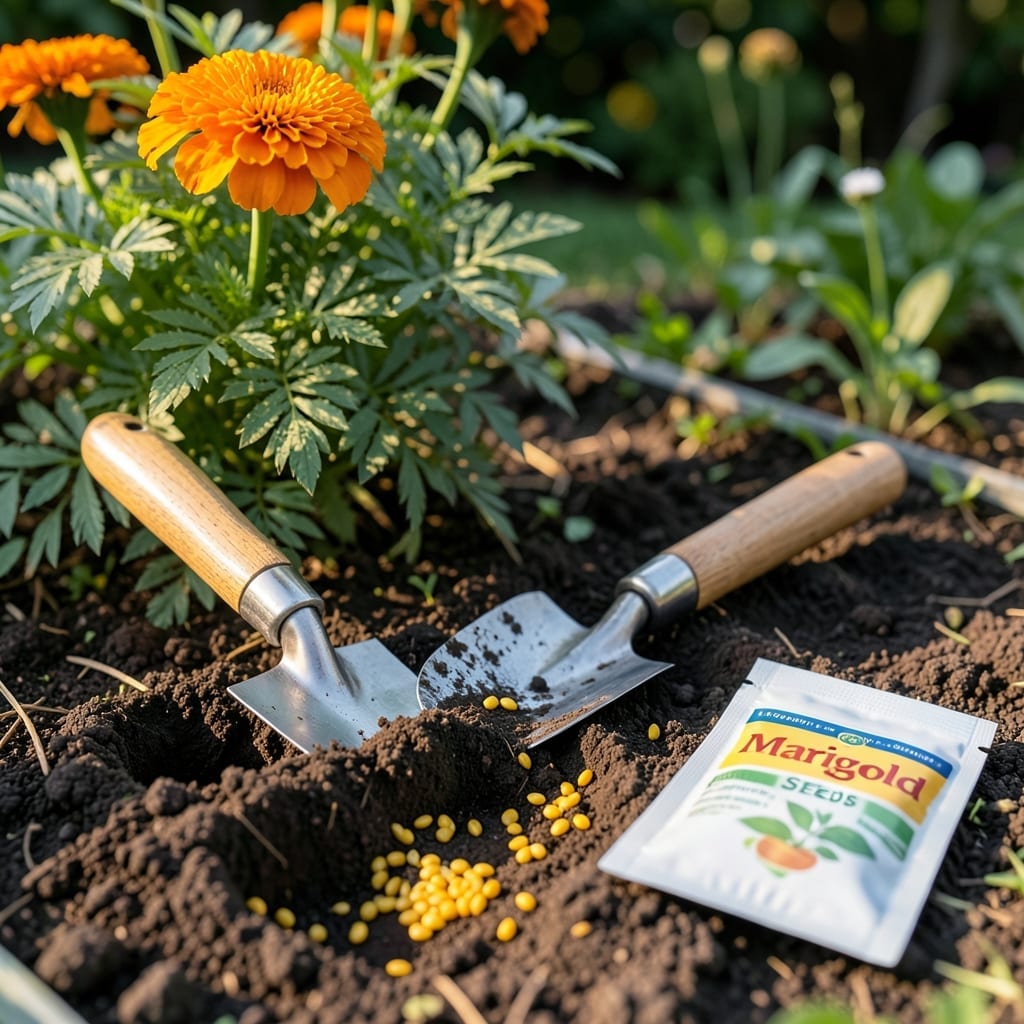
Planting marigolds starts with a simple but crucial question: how many seeds should you place in each hole to ensure vibrant, healthy blooms? Get it right, and you’ll enjoy a garden bursting with color and pest-resistant power.
The 🌼 Marigold is a popular choice for gardeners, but even this hardy flower needs the right start. Overcrowding seeds can lead to weak seedlings and poor growth, so precision matters.
I’ll walk you through the optimal approach for planting marigold seeds, ensuring your garden thrives from the very first sprout. Let’s get started.
When planting marigold seeds, the ideal count per hole is 1-2 seeds. This prevents overcrowding while ensuring at least one seed germinates in each spot. I always recommend erring on the side of caution to avoid weak seedlings.
For French marigolds, which are smaller, you can plant 2 seeds per hole at 1/4 inch depth. For larger African marigolds, stick to 1 seed per hole to give them ample space to thrive.
| Variety | Seeds Per Hole | Depth | Spacing |
|---|---|---|---|
| French Marigold | 1-2 | 1/4 inch | 6-8 inches |
| African Marigold | 1 | 1/4 inch | 10-12 inches |
| Signet Marigold | 1-2 | 1/8 inch | 8-10 inches |
Overcrowding is a common mistake that leads to weak stems and poor air circulation. If you plant too many seeds, seedlings will compete for nutrients and sunlight, stunting their growth.
I’ve found that well-draining soil is key for marigold success. Before planting, loosen the soil to 12 inches deep and mix in compost. This gives roots room to spread and access to nutrients.
After planting, lightly water the seeds to avoid washing them away. Keep the soil moist but not soggy—marigolds dislike waterlogged conditions. A spray bottle works well for gentle hydration.
For best results, plant after the last frost date when soil temperatures reach 70°F. In cooler climates, start seeds indoors 4-6 weeks before transplanting.
If you’re using seed trays, plant 1 seed per cell to avoid disturbing roots during transplanting. This method ensures stronger seedlings with less shock when moved to the garden.
Remember, thinning seedlings is crucial if multiple seeds sprout in one hole. Use small scissors to snip weaker seedlings at soil level, leaving the strongest one to grow.
With these tips, you’ll enjoy vibrant marigolds that bloom abundantly and repel pests naturally. Happy planting! 🌼
Even with the best intentions, common planting mistakes can sabotage your marigolds. Overplanting is a big one—I’ve seen gardeners stuff 5-6 seeds in a single hole, thinking more is better. This leads to crowded seedlings and stunted growth. 🌱
Another frequent error is planting too deep. Marigold seeds need light to germinate, so burying them more than 1/4 inch can prevent sprouting. Keep it shallow for the best results.
Overcrowding: More than 2 seeds per hole causes competition for nutrients and sunlight.
Wrong depth: Planting deeper than 1/4 inch can prevent germination.
Poor soil prep: Compacted or nutrient-poor soil hinders root development.
Inconsistent watering is another issue. Marigold seeds need moist but not soggy soil to sprout. Too much water can rot the seeds, while too little dries them out. A spray bottle helps maintain the perfect balance.
I’ve also noticed gardeners skipping soil preparation. Marigolds thrive in loose, well-draining soil. Before planting, I always loosen the soil to 12 inches deep and mix in compost for better drainage and nutrient access.
Lastly, ignoring spacing guidelines can cause problems down the line. French marigolds need 6-8 inches apart, while African marigolds require 10-12 inches. Proper spacing ensures good air circulation and reduces disease risk.
By avoiding these mistakes, you’ll set your marigolds up for strong, healthy growth and vibrant blooms all season long. Happy gardening! 🌼