
Beautiful Plants For Your Interior
Beautiful Plants For Your Interior
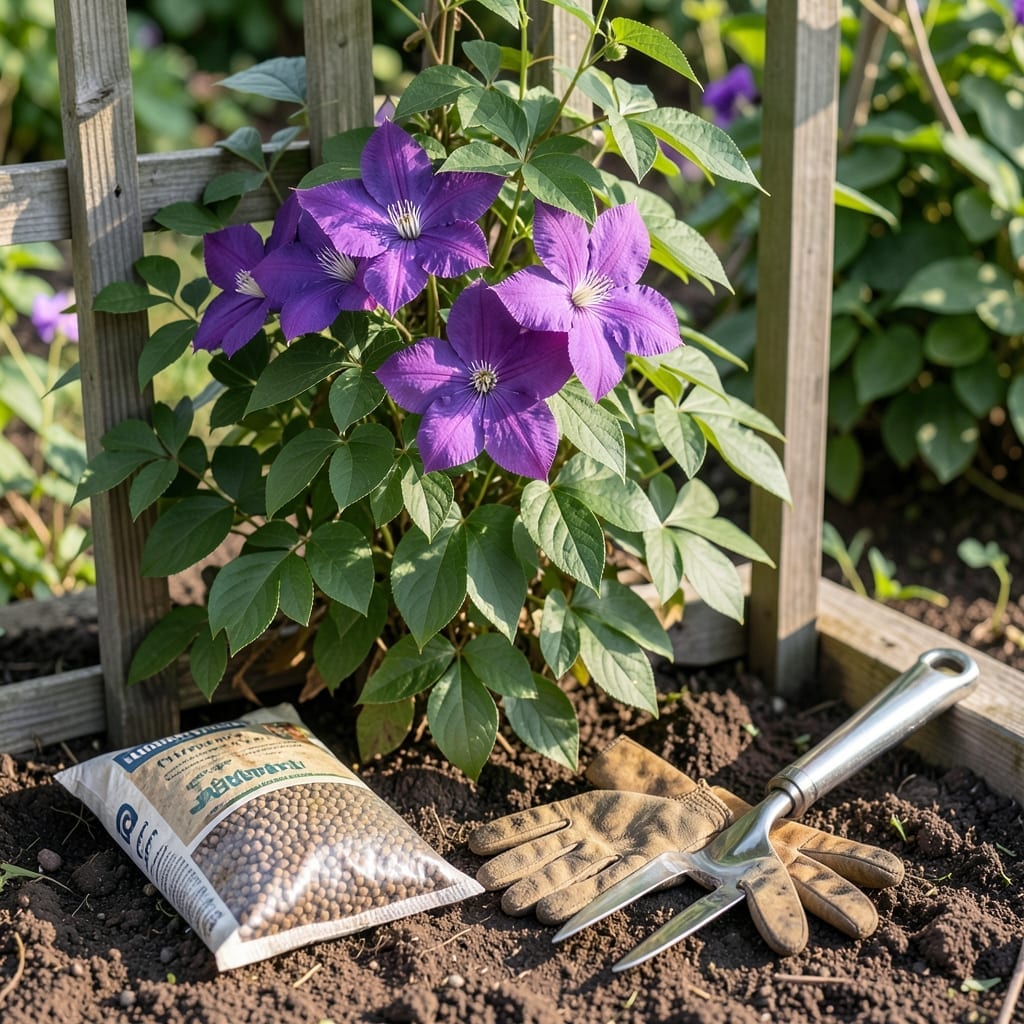
Clematis 🌿 vines can transform any garden with their spectacular blooms, but without proper nourishment, they often fall short of their potential. Many gardeners don’t realize how much these plants depend on a consistent feeding schedule.
I’ve seen firsthand how the right approach can turn a struggling vine into a thriving showstopper. The difference comes down to understanding when and how to provide the nutrients your Clematis needs most.
Whether you’re new to growing these beauties or looking to improve your current routine, there’s always more to learn about keeping them healthy. The key lies in timing and technique.
Let me walk you through the essentials of feeding Clematis plants so you can enjoy those stunning flowers all season long. It’s easier than you might think.
I’ve found that clematis plants respond best to a seasonal feeding schedule that matches their growth cycles. These vines are heavy feeders, so the right nutrients at the right time make all the difference.
In my experience, the best fertilizers include balanced options like 10-10-10 or high-phosphorus blends such as 5-10-10 to boost blooming. Organic choices like compost or worm castings also work wonders.
| Season | Fertilizer Type | NPK Ratio | Purpose |
|---|---|---|---|
| Early Spring | Balanced | 10-10-10 | Encourage early growth |
| Late Spring | High Phosphorus | 5-10-10 | Boost flowering |
| Summer | Balanced | 10-10-10 | Maintain vigor |
| Fall | Low Nitrogen | 5-10-15 | Promote root growth |
I always start feeding in early spring with a balanced fertilizer to kickstart growth. This helps the clematis vine develop strong stems and healthy foliage before the blooming season.
By late spring, I switch to a high-phosphorus fertilizer like 5-10-10 to encourage abundant blooms. The extra phosphorus supports flower production, which is crucial for those stunning displays.
During summer months, I continue with a balanced fertilizer to maintain the plant’s energy. Regular feeding every 4-6 weeks keeps the vines thriving in the heat.
As fall approaches, I reduce nitrogen and opt for a low-nitrogen fertilizer like 5-10-15. This helps the clematis plant focus on root development for the next growing season.
I avoid feeding in winter since the plant is dormant. Over-fertilizing during this time can lead to weak growth or even damage the roots.
For organic gardeners, I recommend compost tea or fish emulsion as excellent alternatives. These provide slow-release nutrients that nourish the soil and plant over time.
Feeding your Clematis properly is the secret to those vibrant blooms we all love. I’ve found that timing and technique matter just as much as the fertilizer itself. Start by preparing the soil around your vines.
Loosen the top 1-2 inches of soil gently to help nutrients penetrate. This ensures the roots can absorb the fertilizer effectively without causing damage to the delicate feeder roots near the surface.
Feeding Steps for Healthy Clematis
After applying fertilizer, give your Clematis a thorough watering. This helps wash the nutrients down to the root zone where they’re needed most. I always use 1-2 gallons of water per plant for this step.
It’s also important to monitor your plants after feeding. Look for signs of new growth or improved bloom production, which indicate your efforts are working. If you notice yellowing leaves, it might mean you’ve over-fertilized.
Remember, less is often more with Clematis. These plants respond better to regular, light feedings than occasional heavy doses. This approach keeps them thriving without the risk of nutrient burn.
Finally, always clean up any fertilizer that lands on the leaves or stems. This prevents potential burning and keeps your Clematis looking its best throughout the growing season 🌿